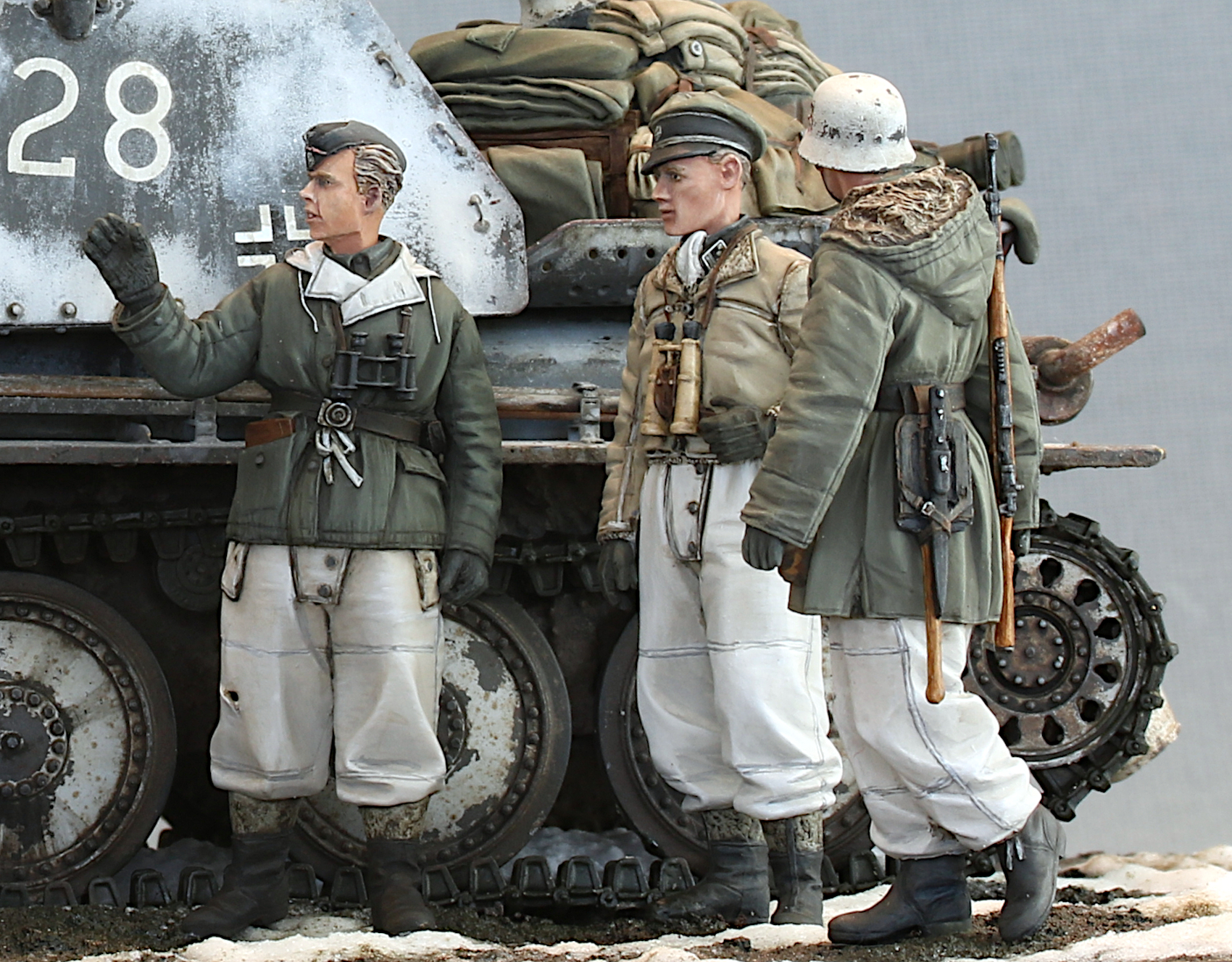
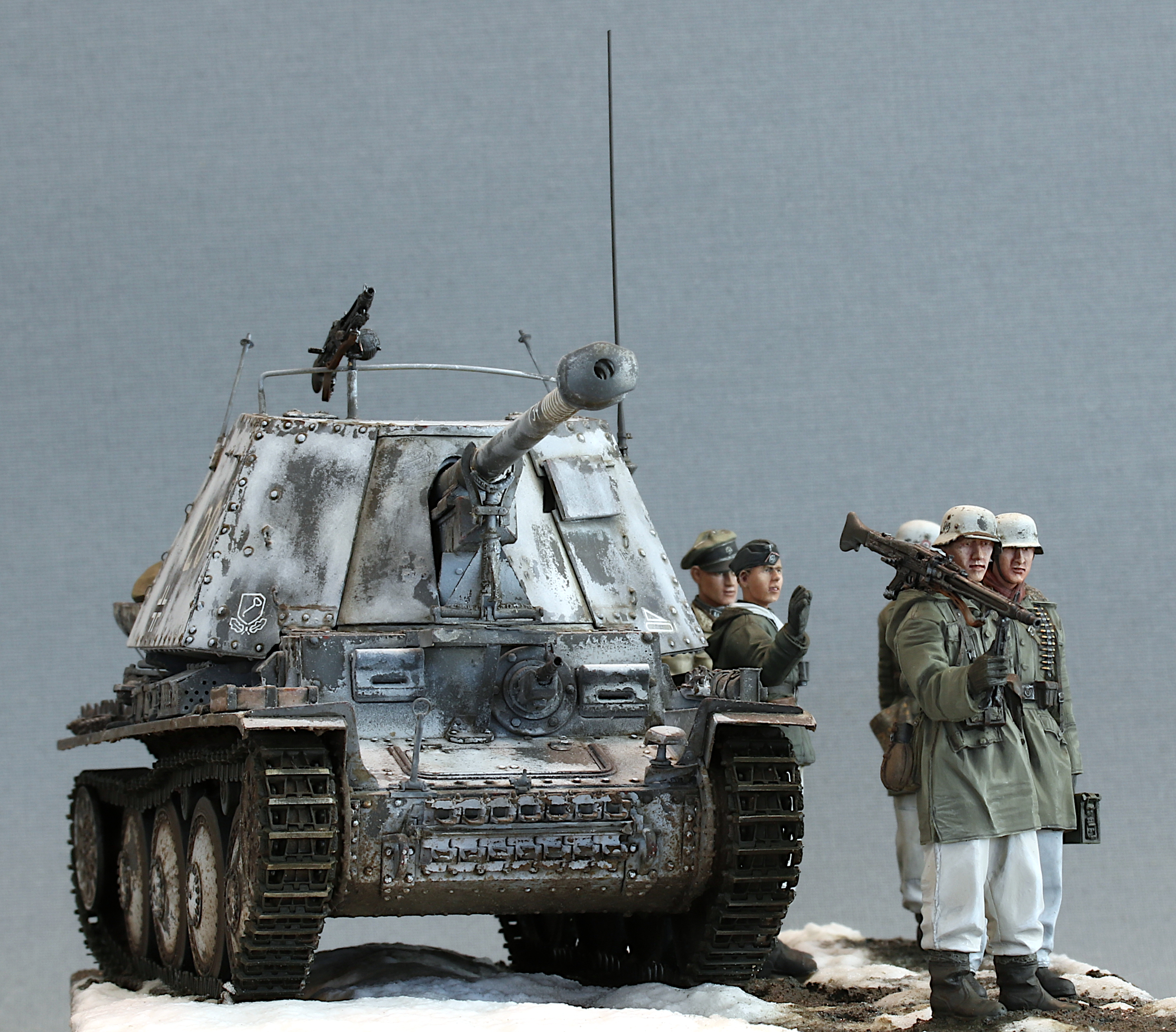
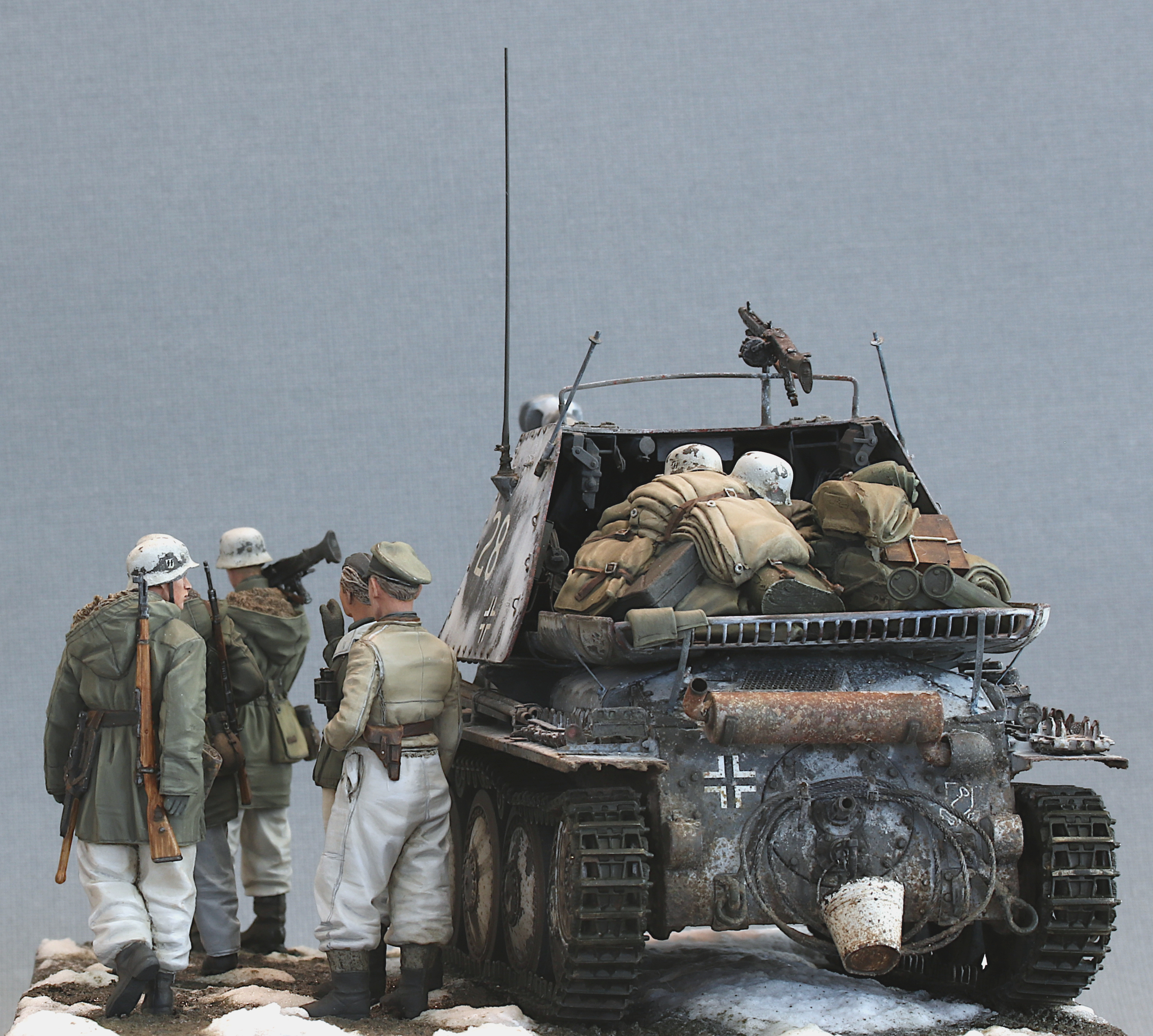
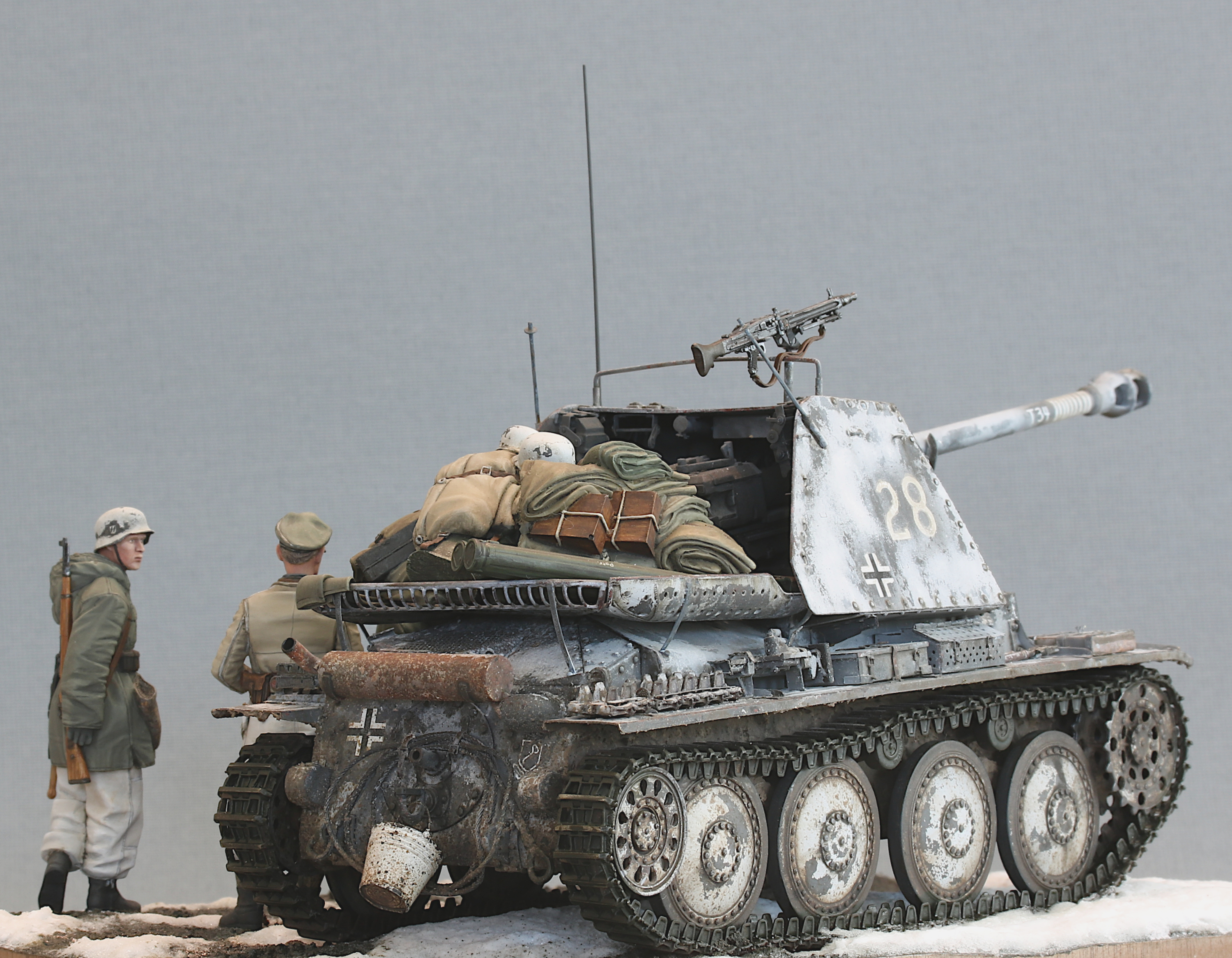
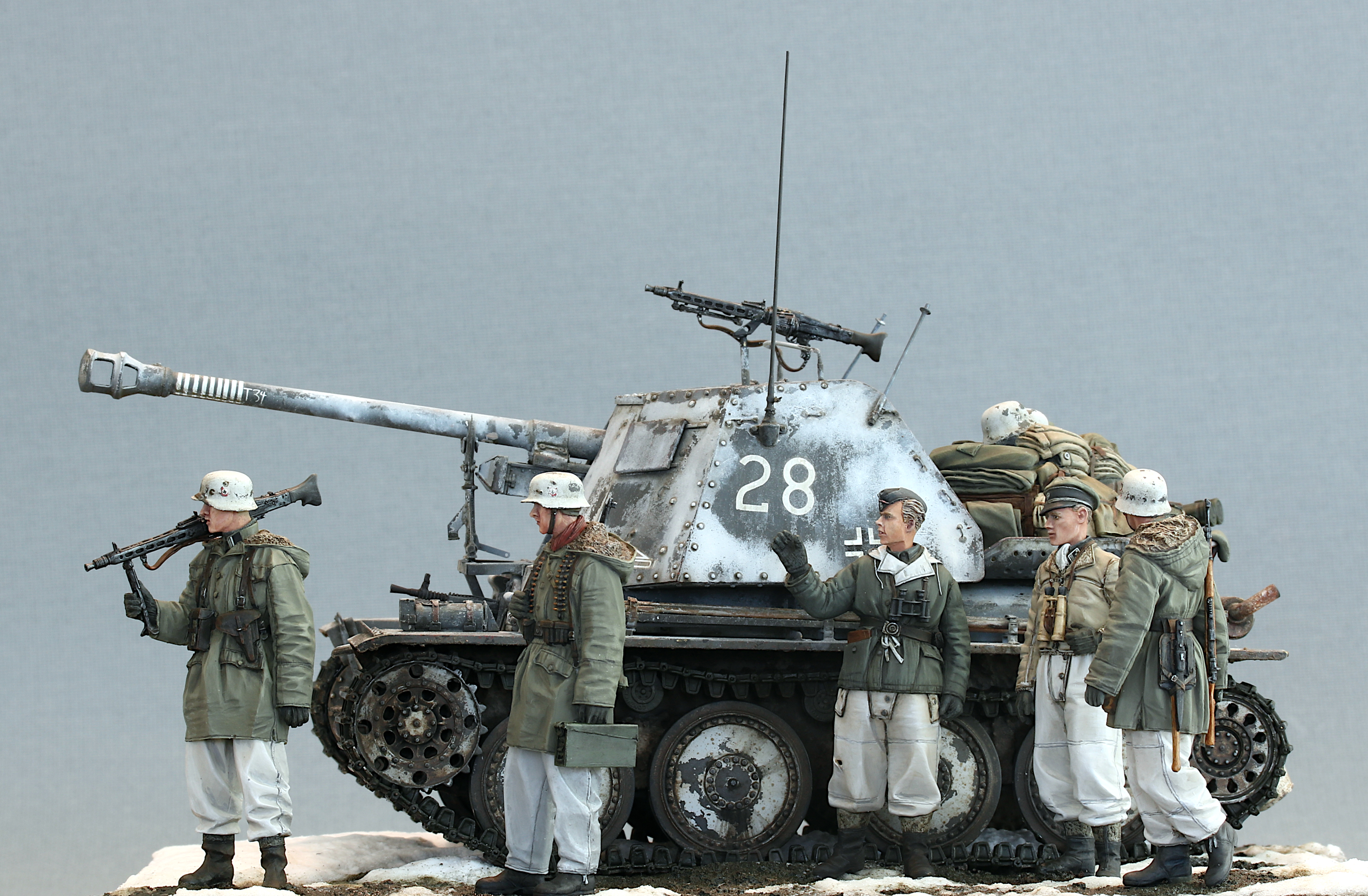
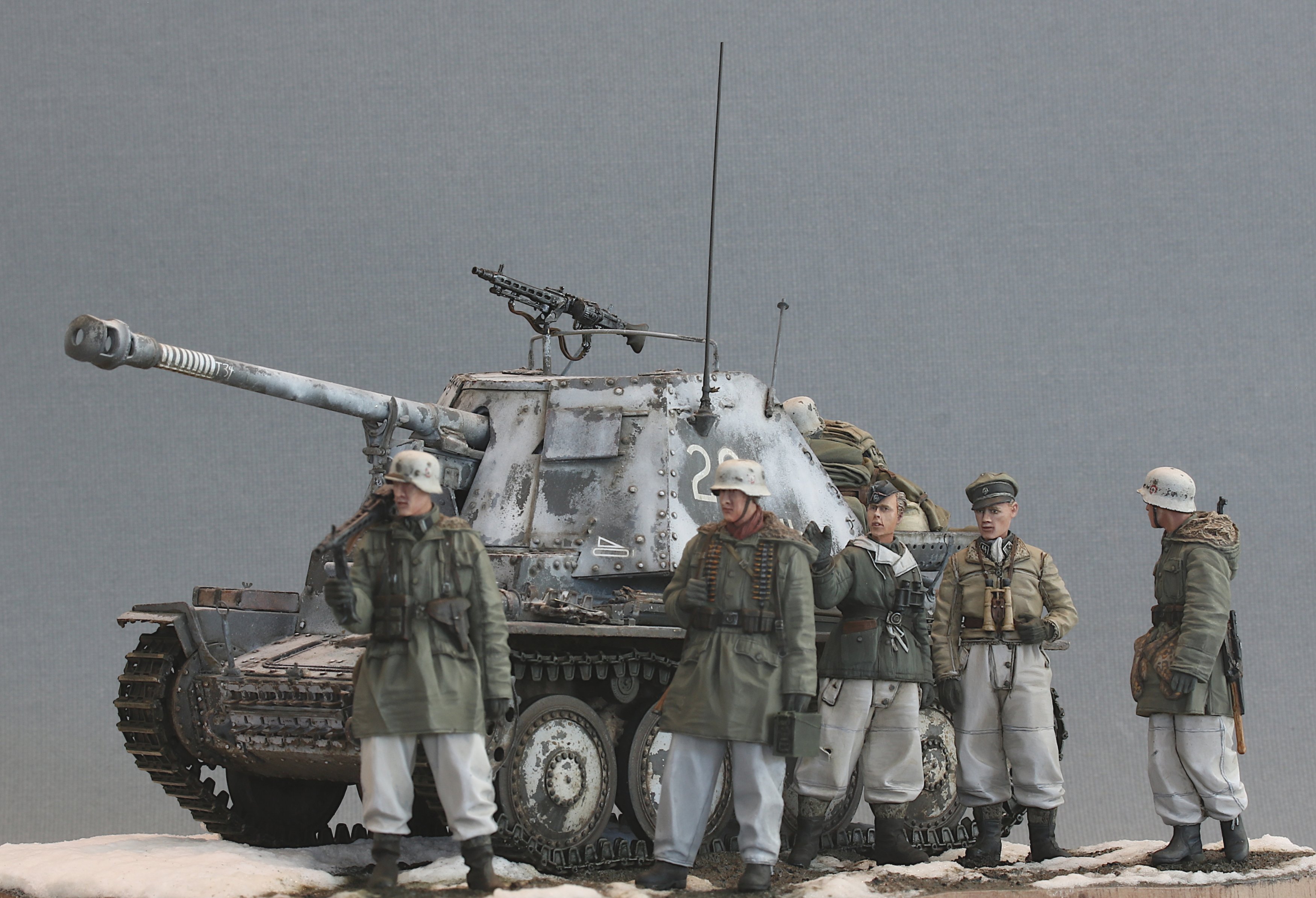
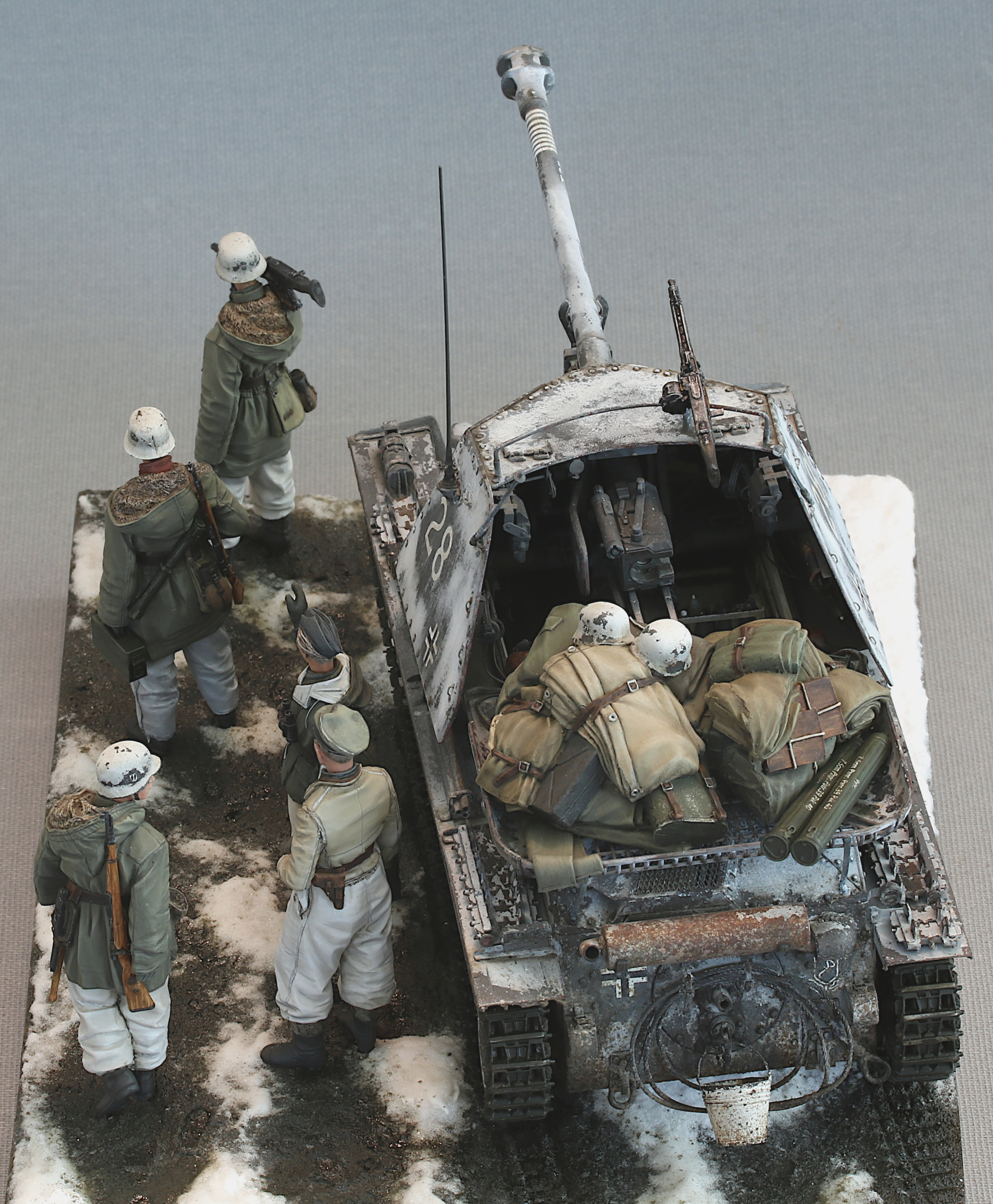
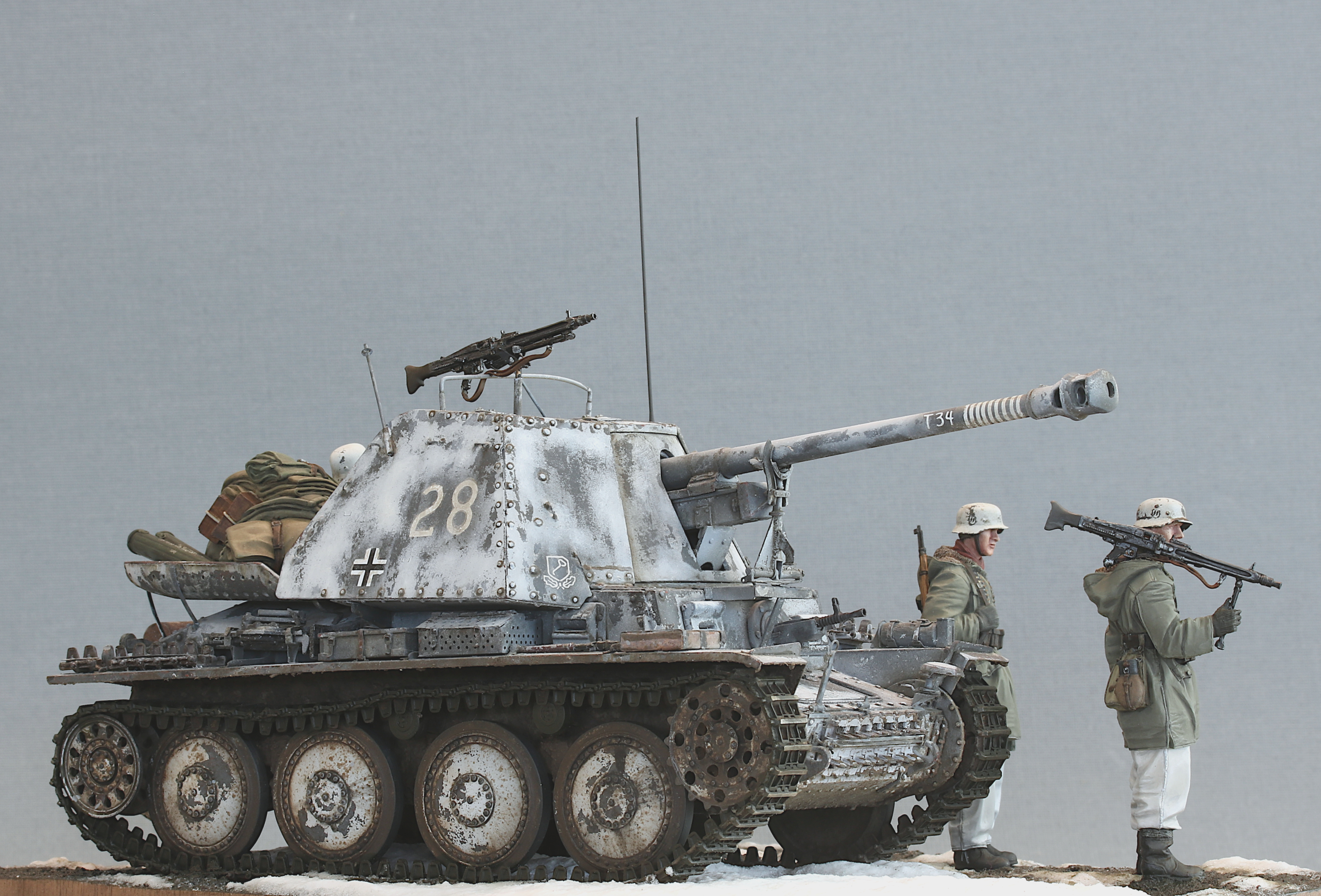
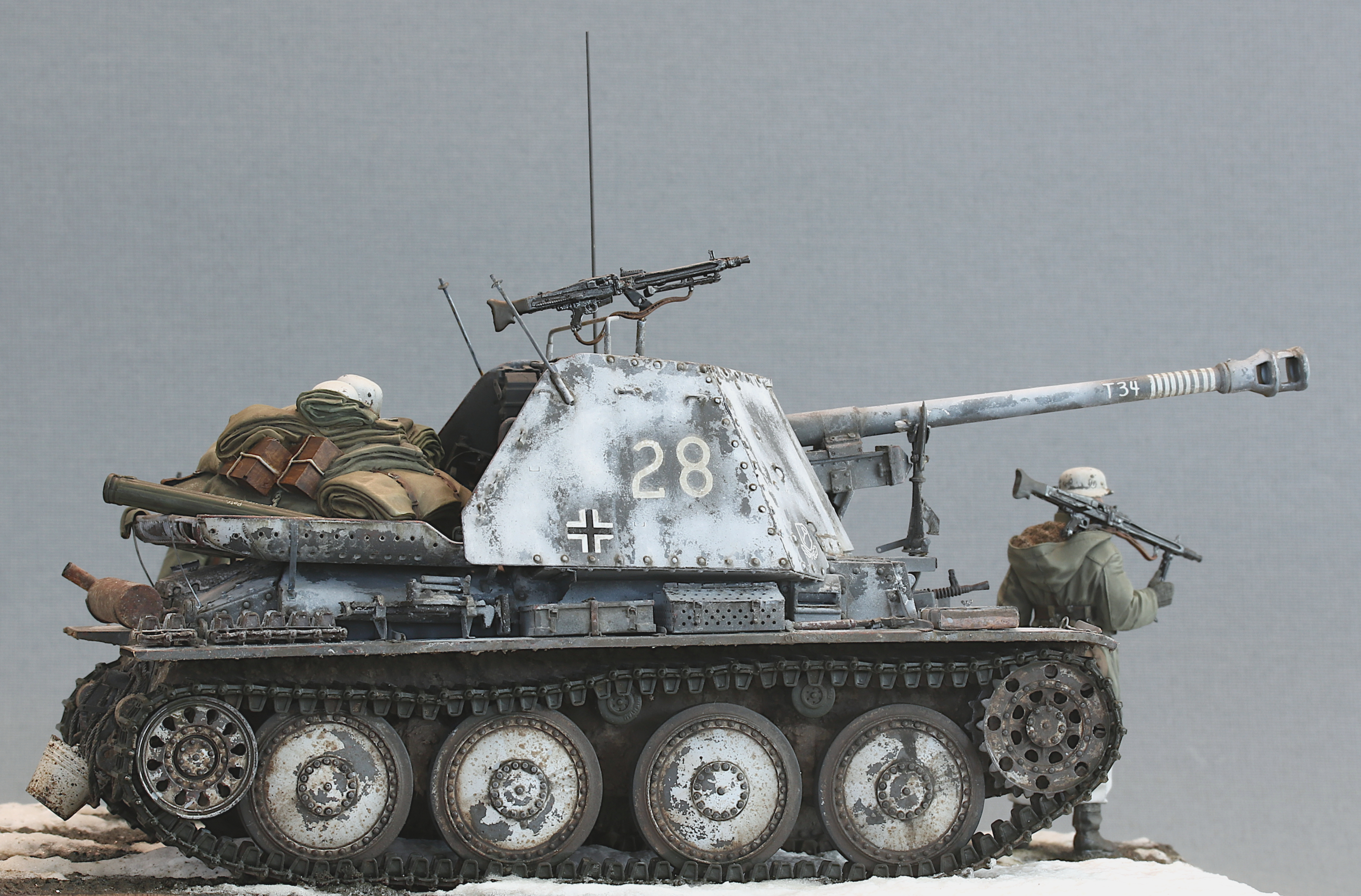
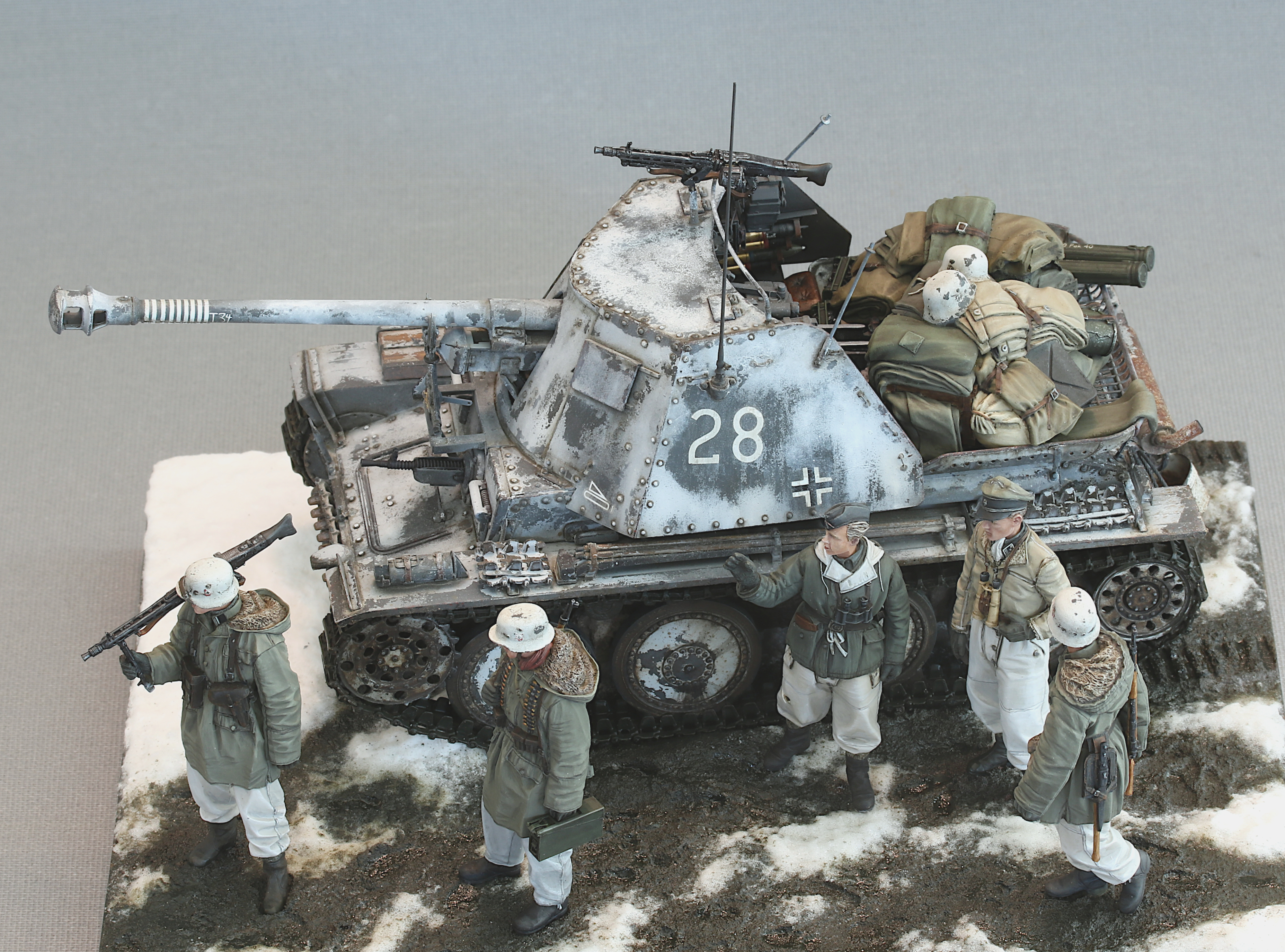
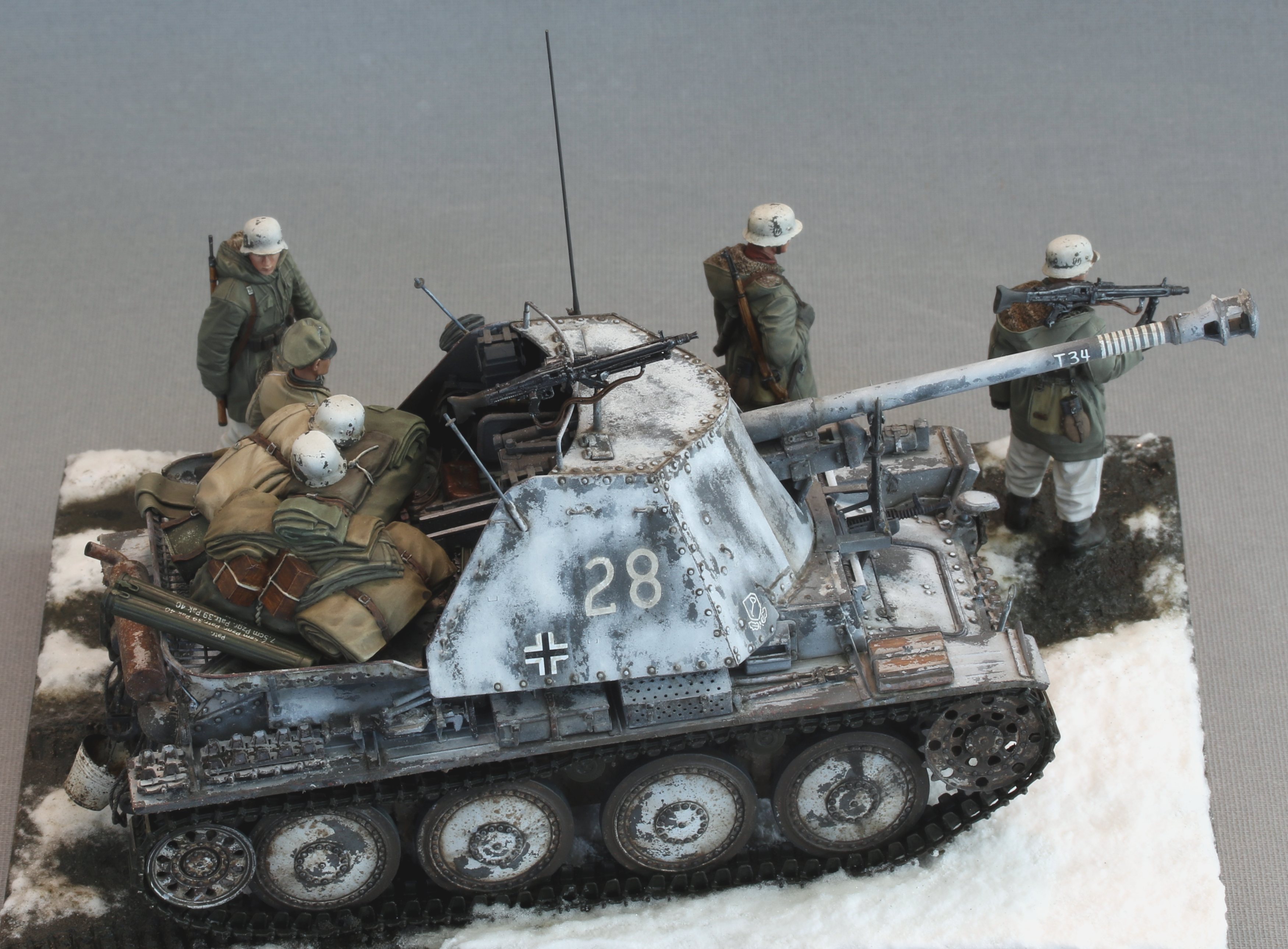
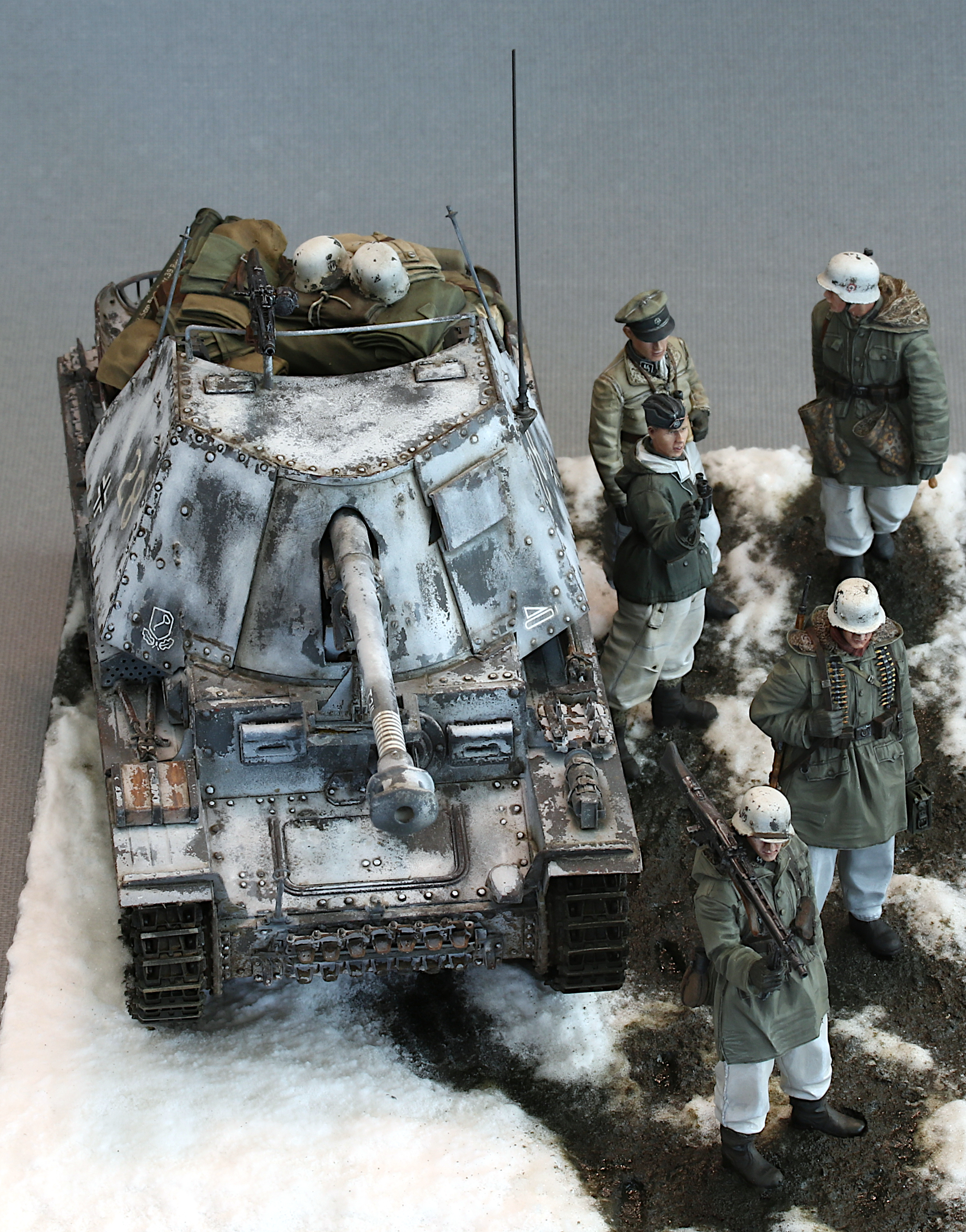
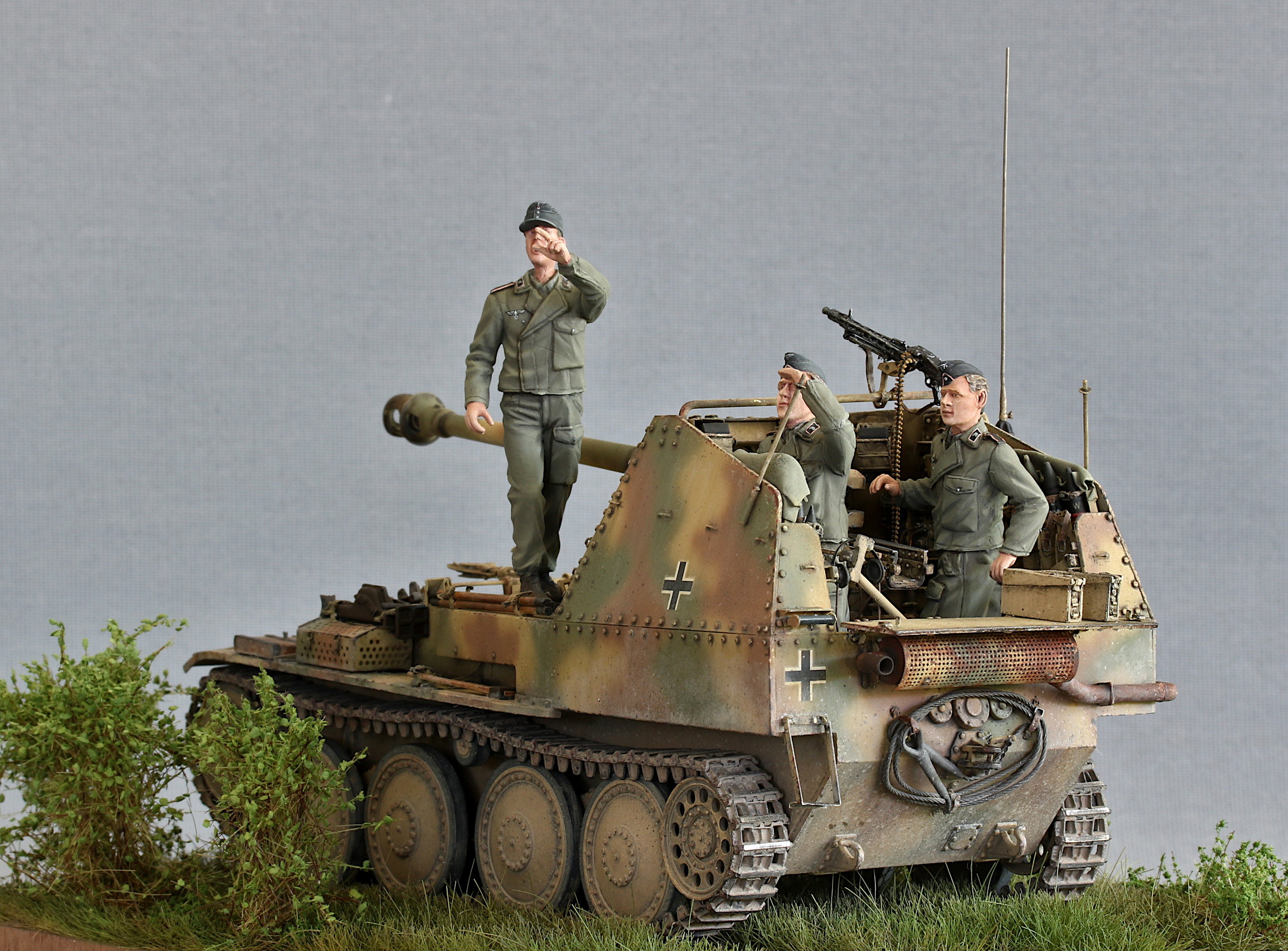
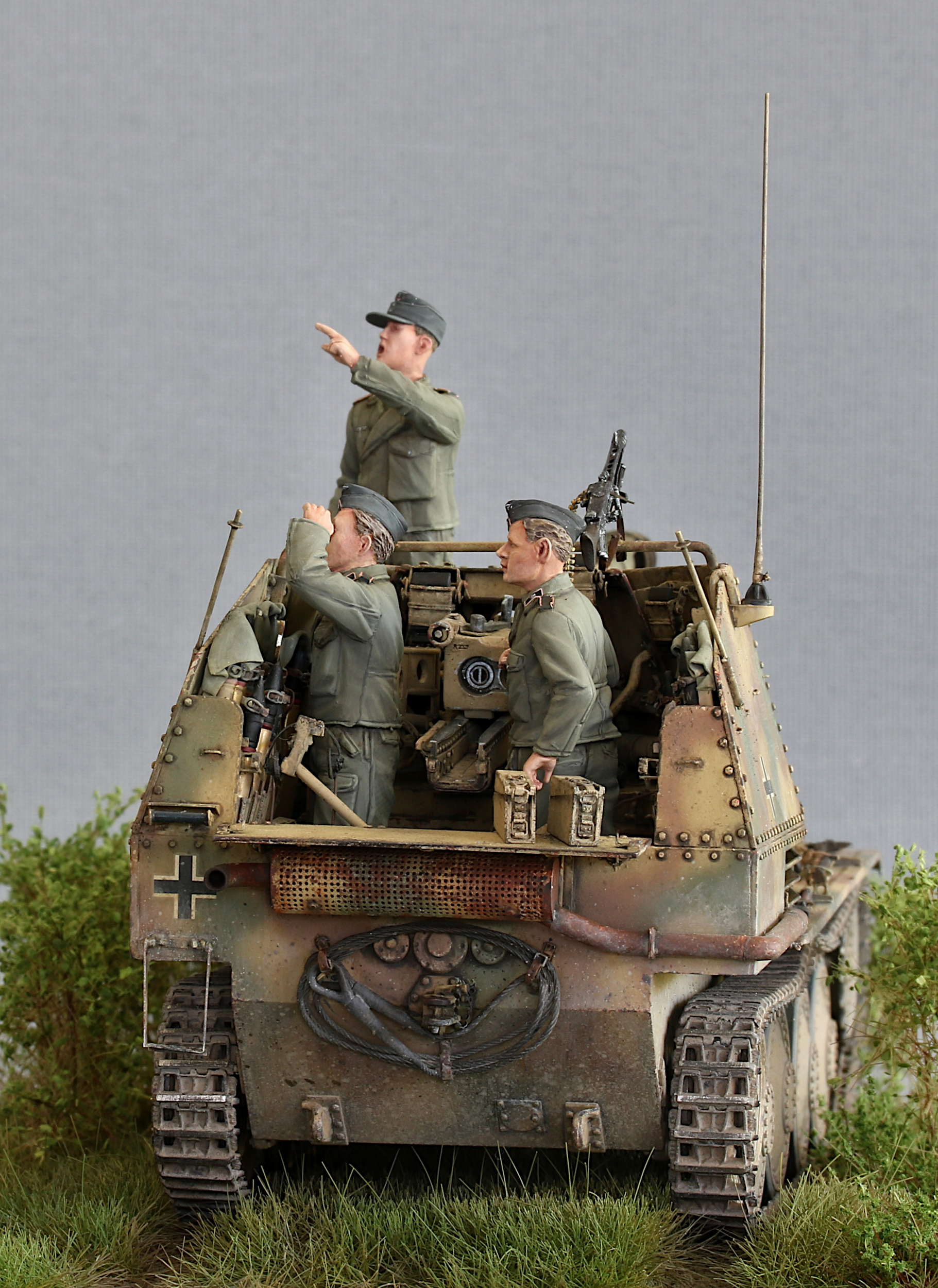
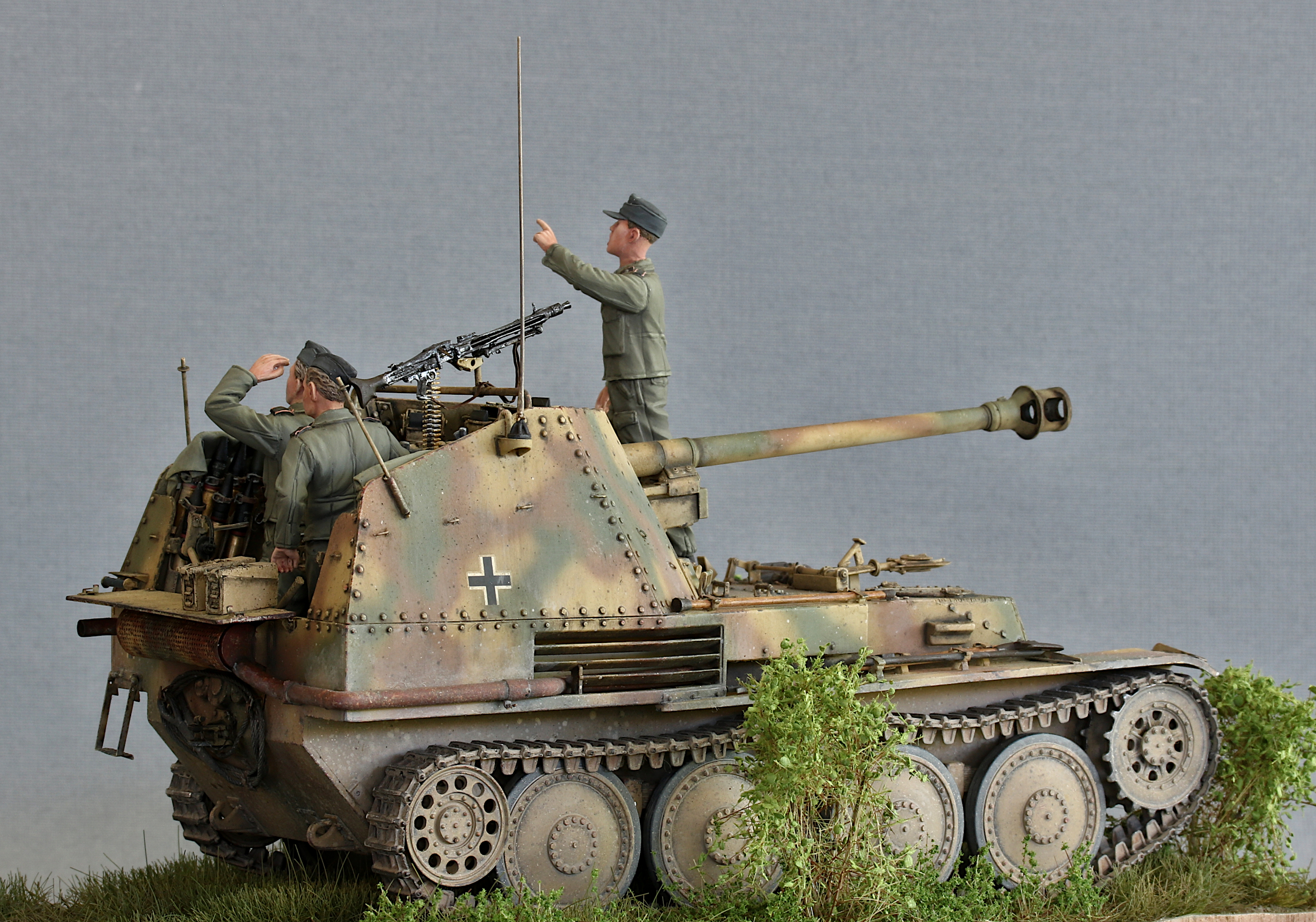
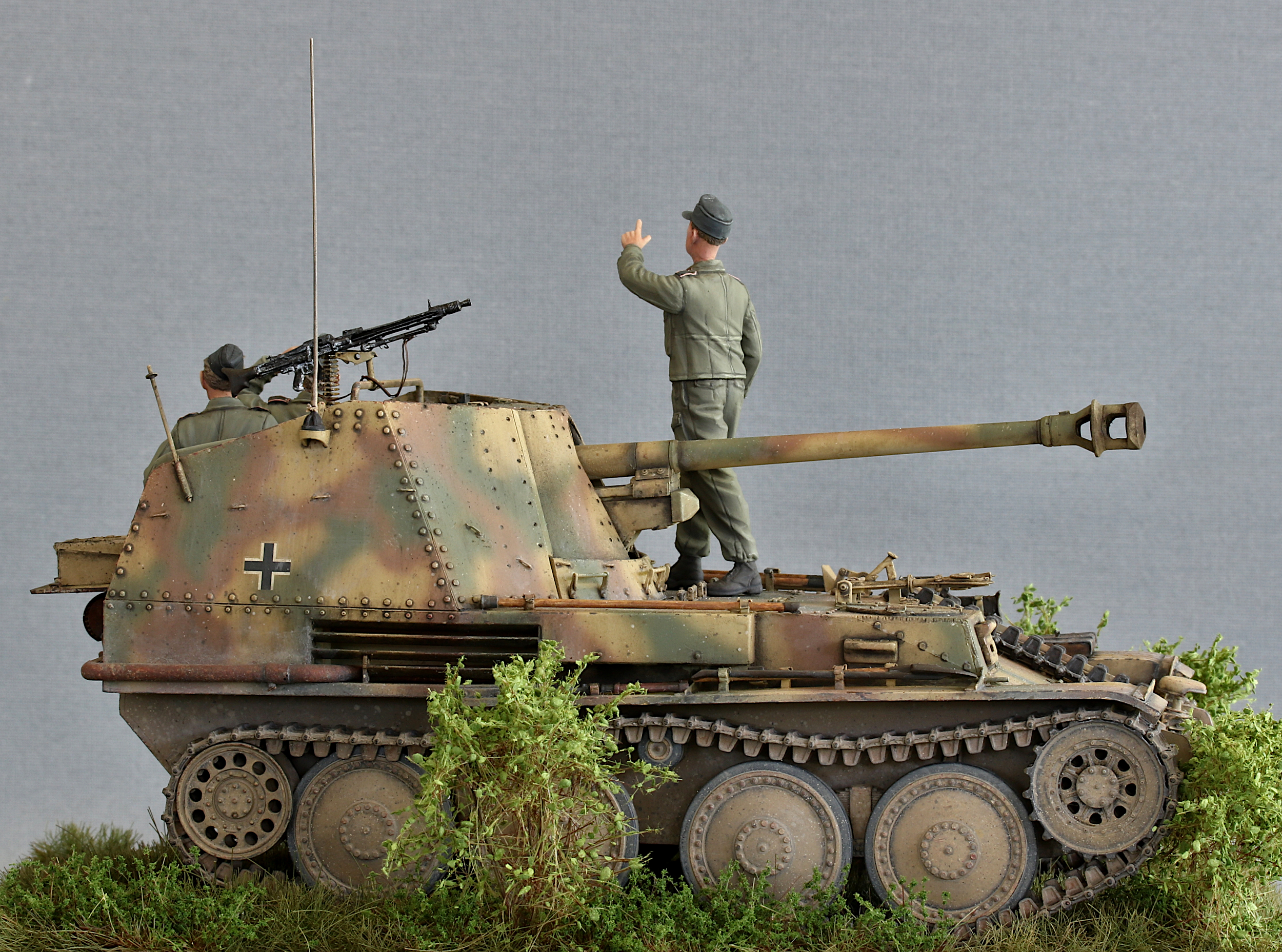
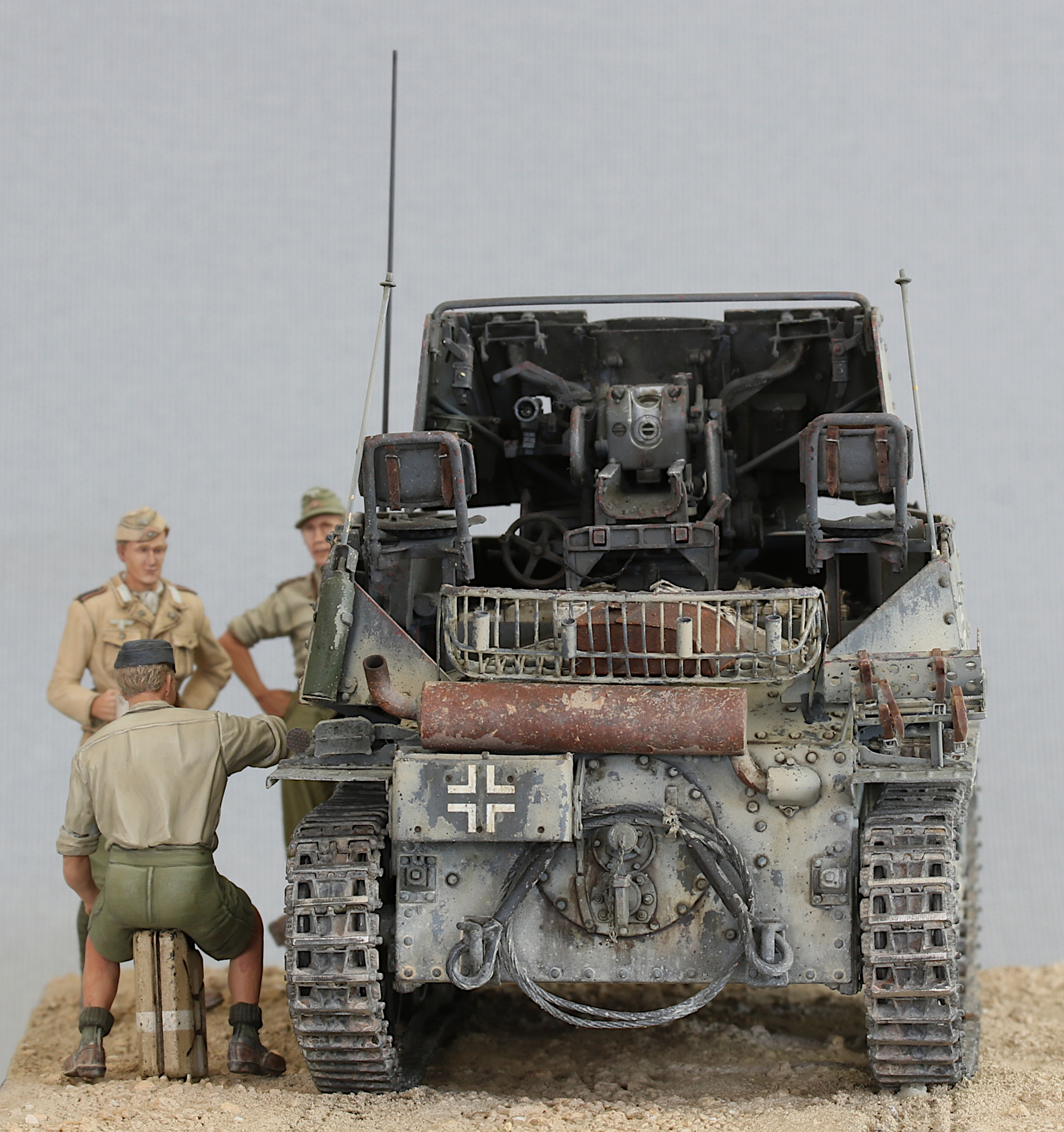
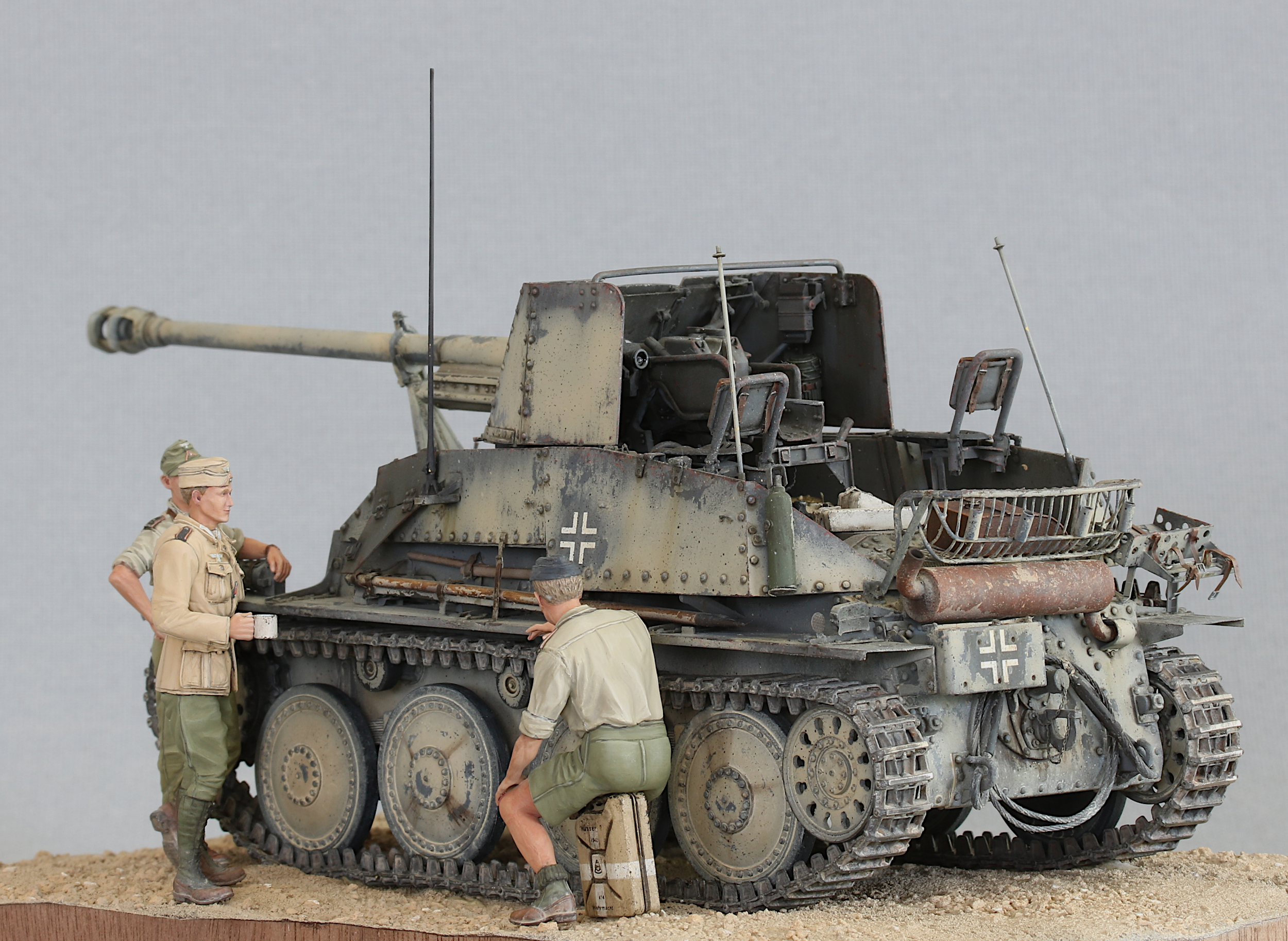
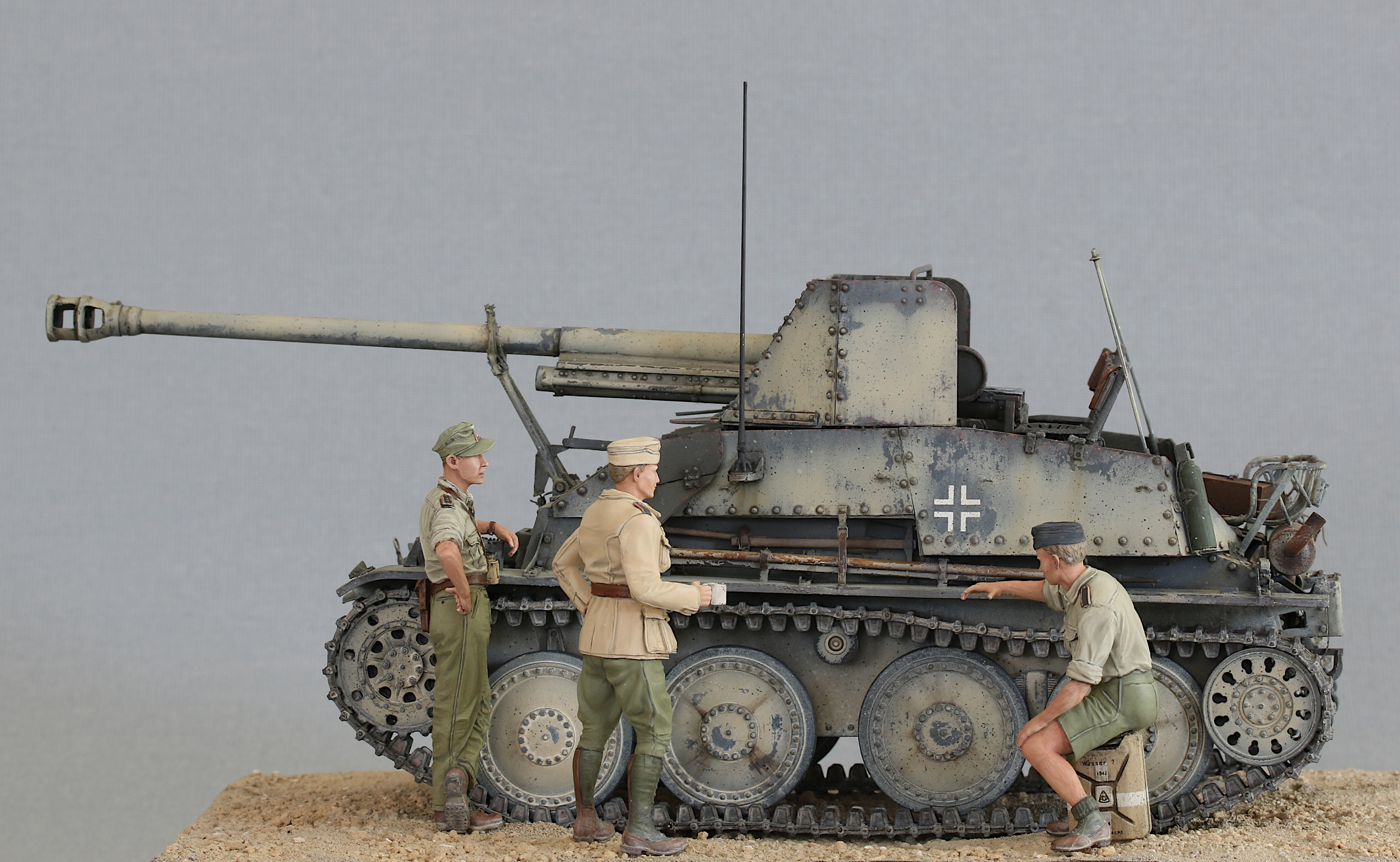
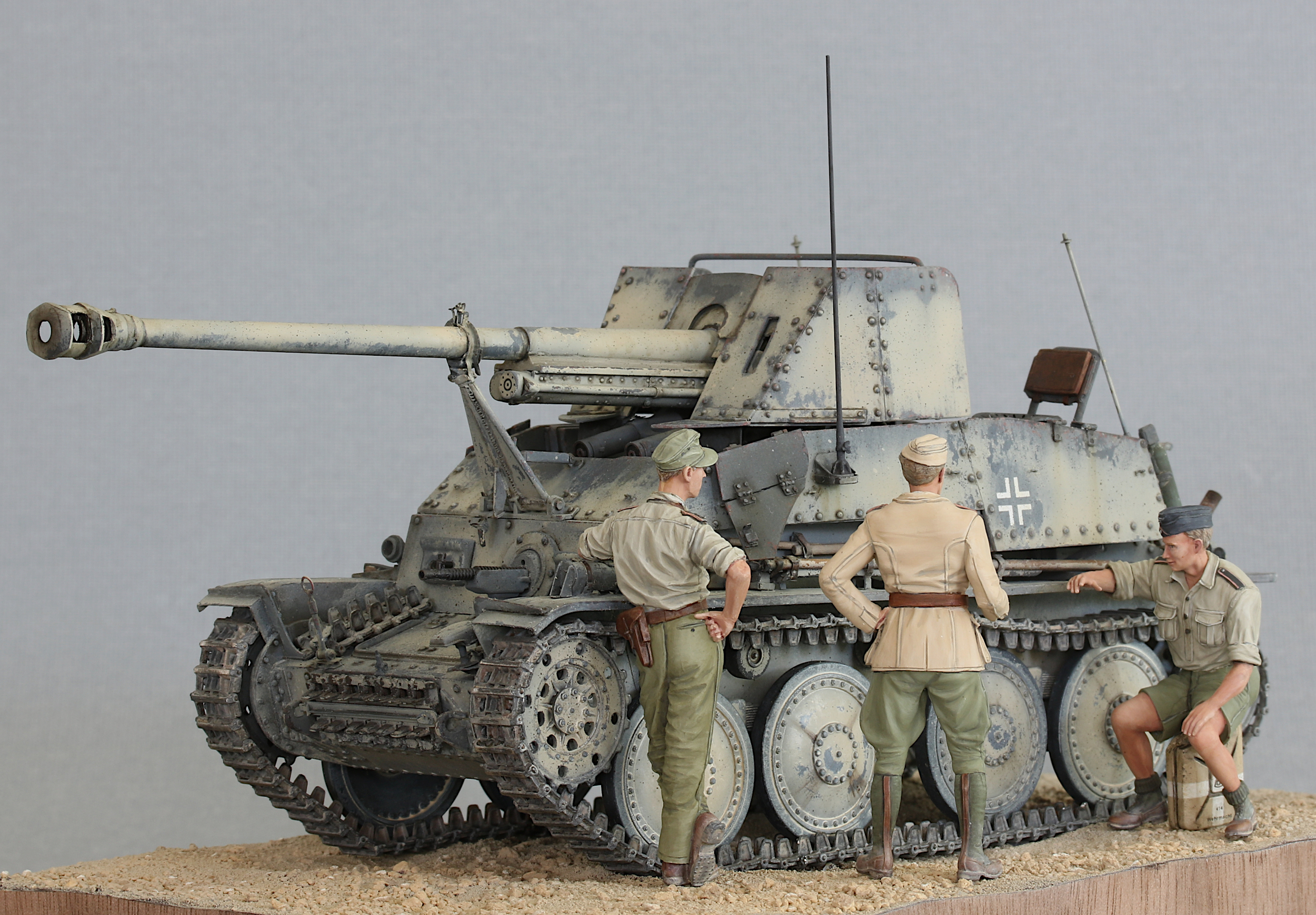
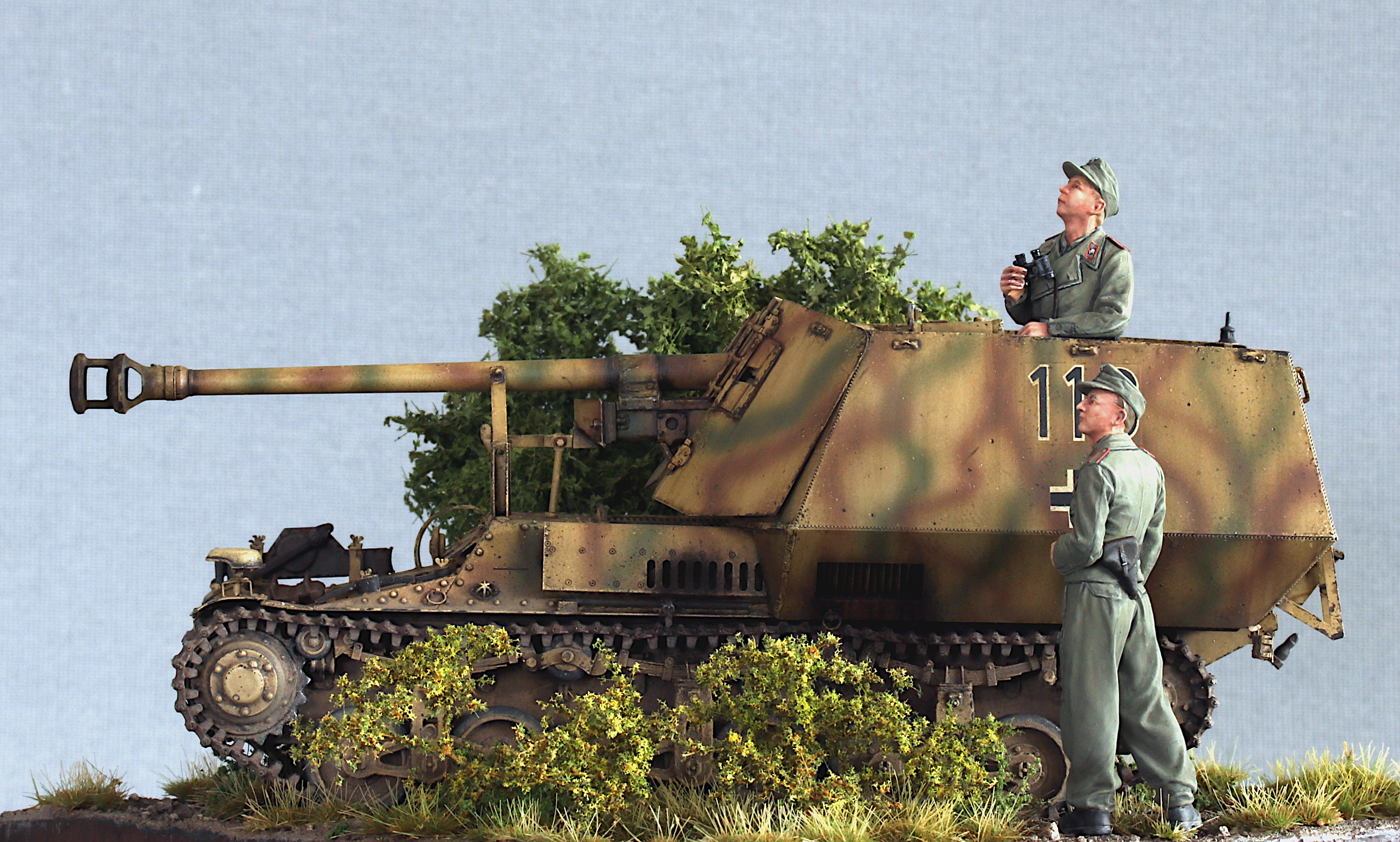
Marder III H (Sd Kfz 138)

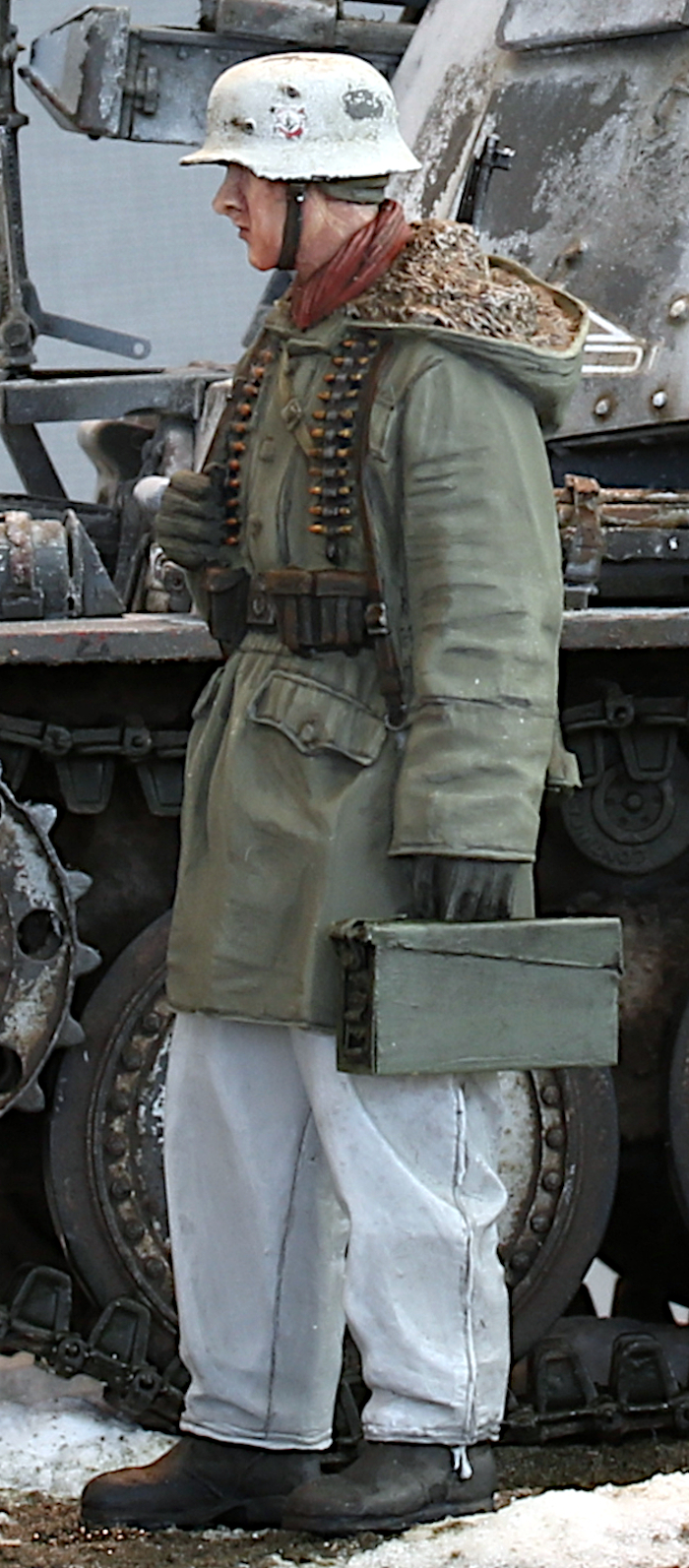
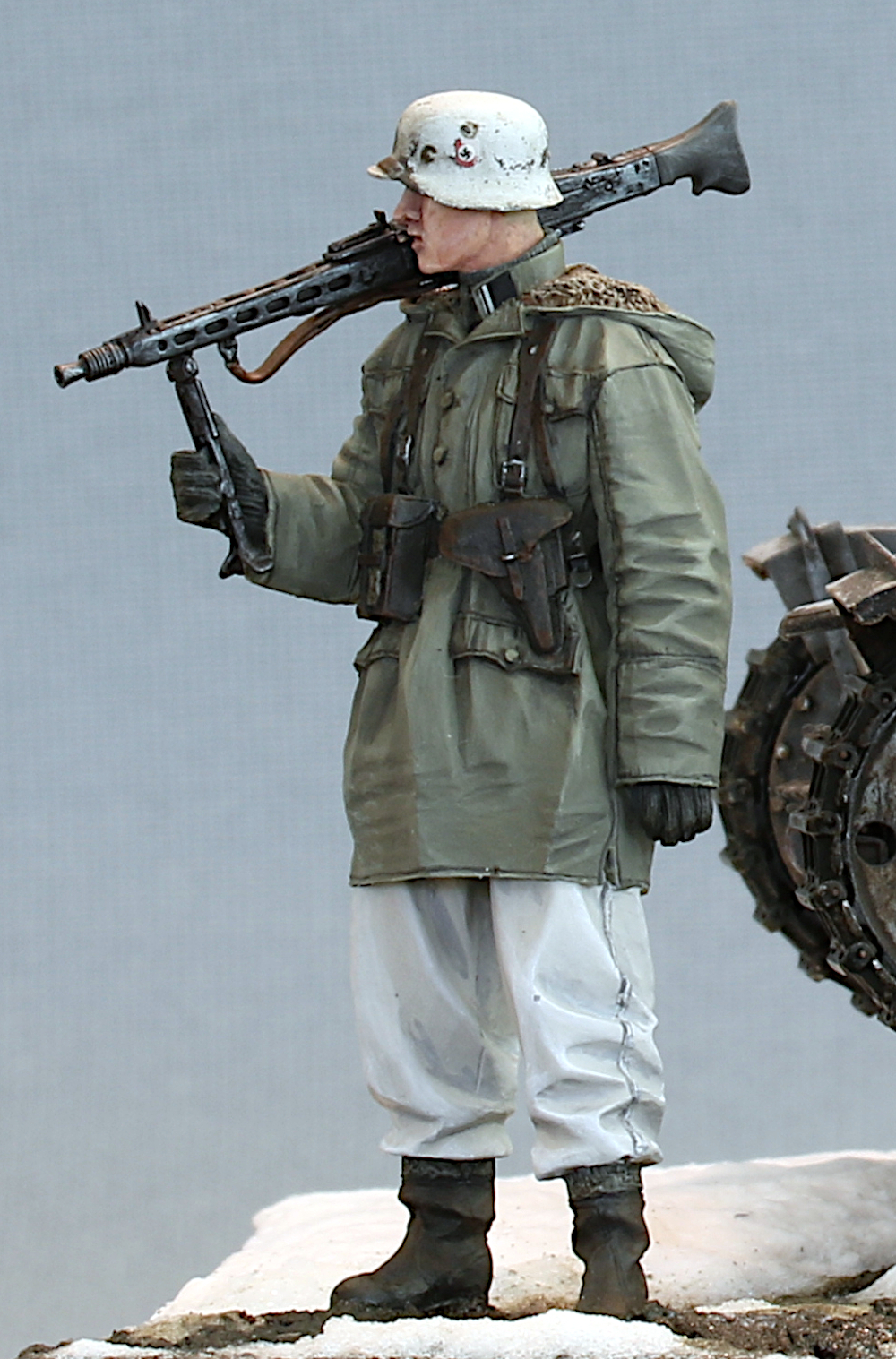
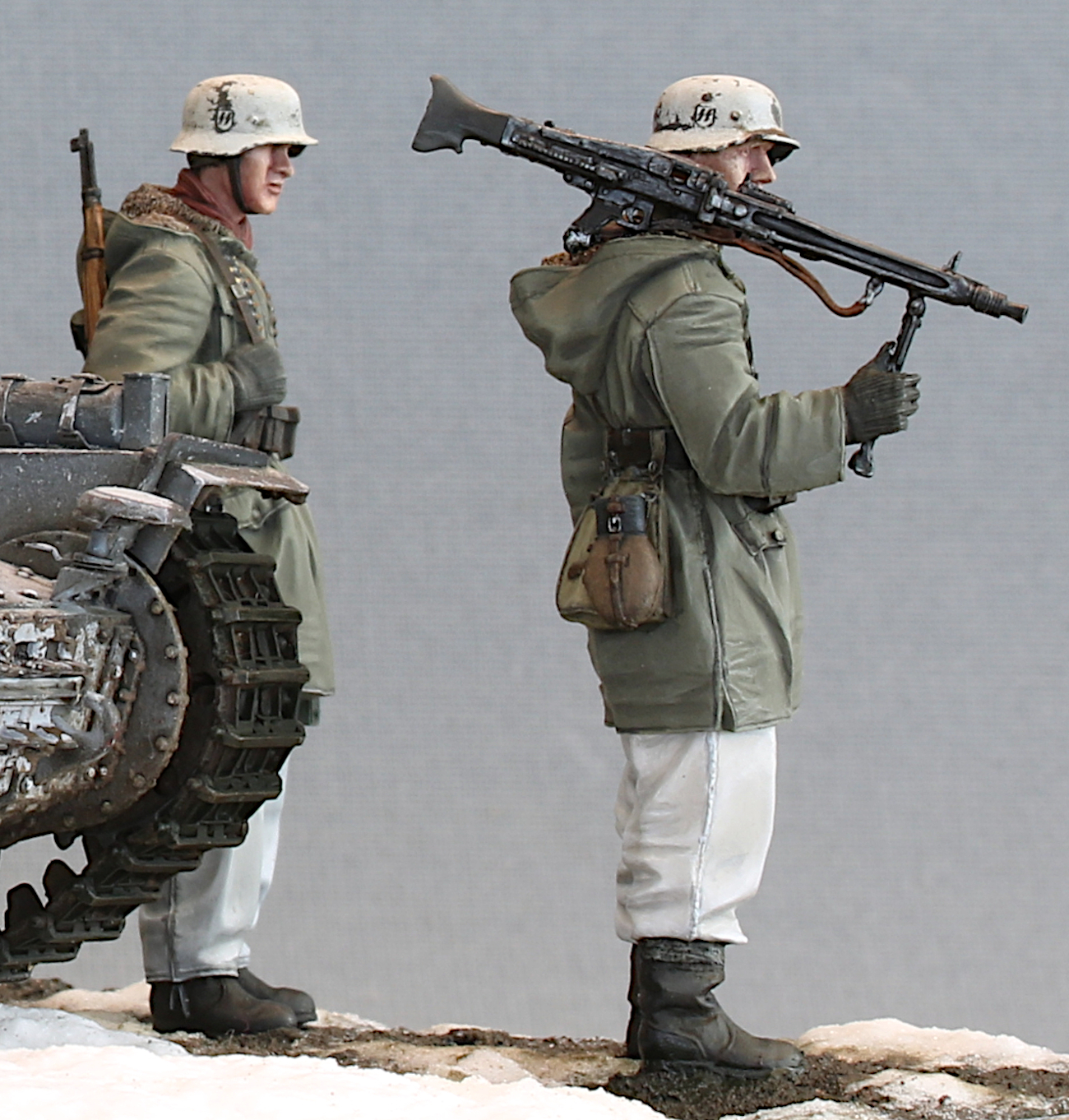
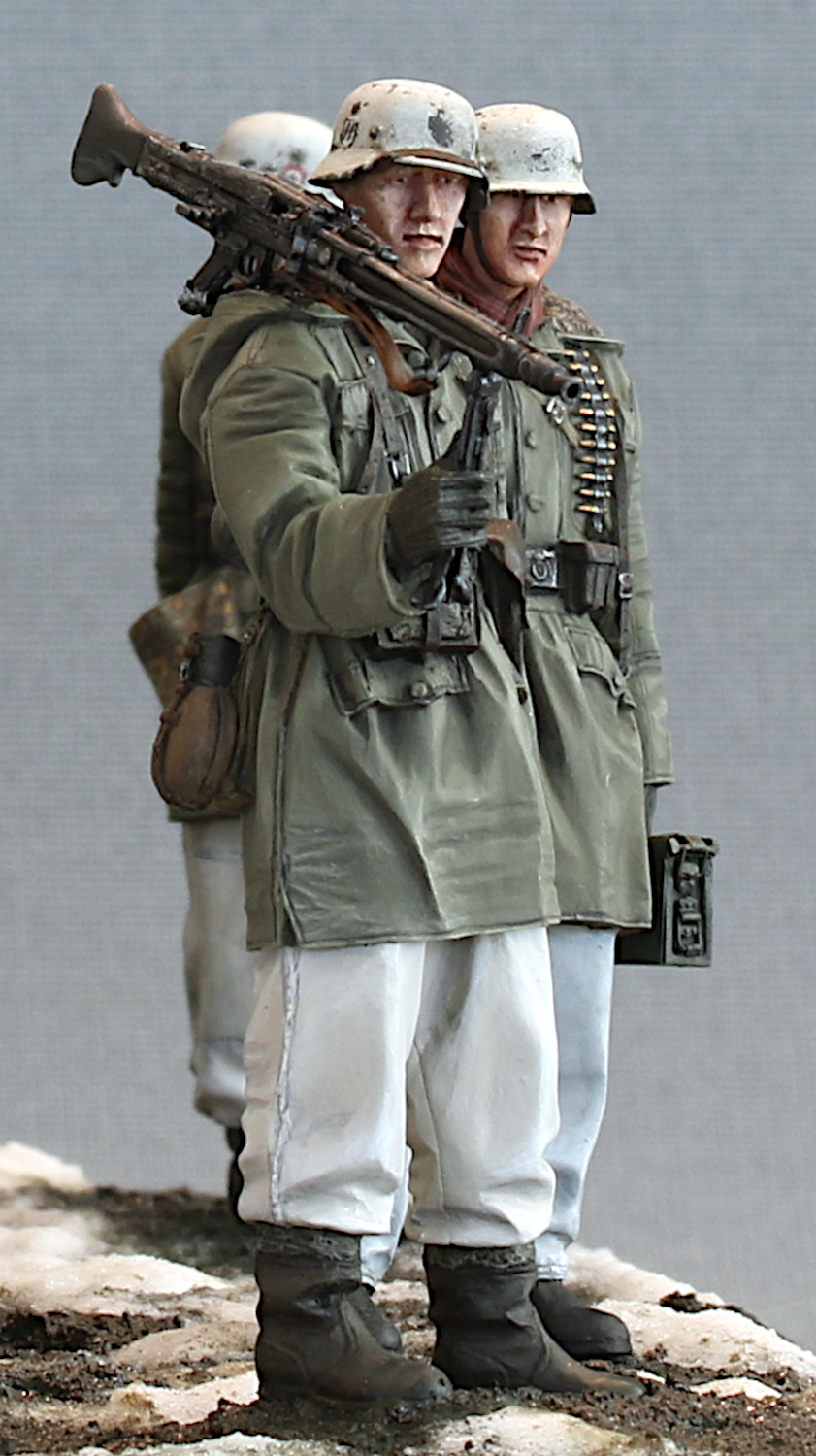
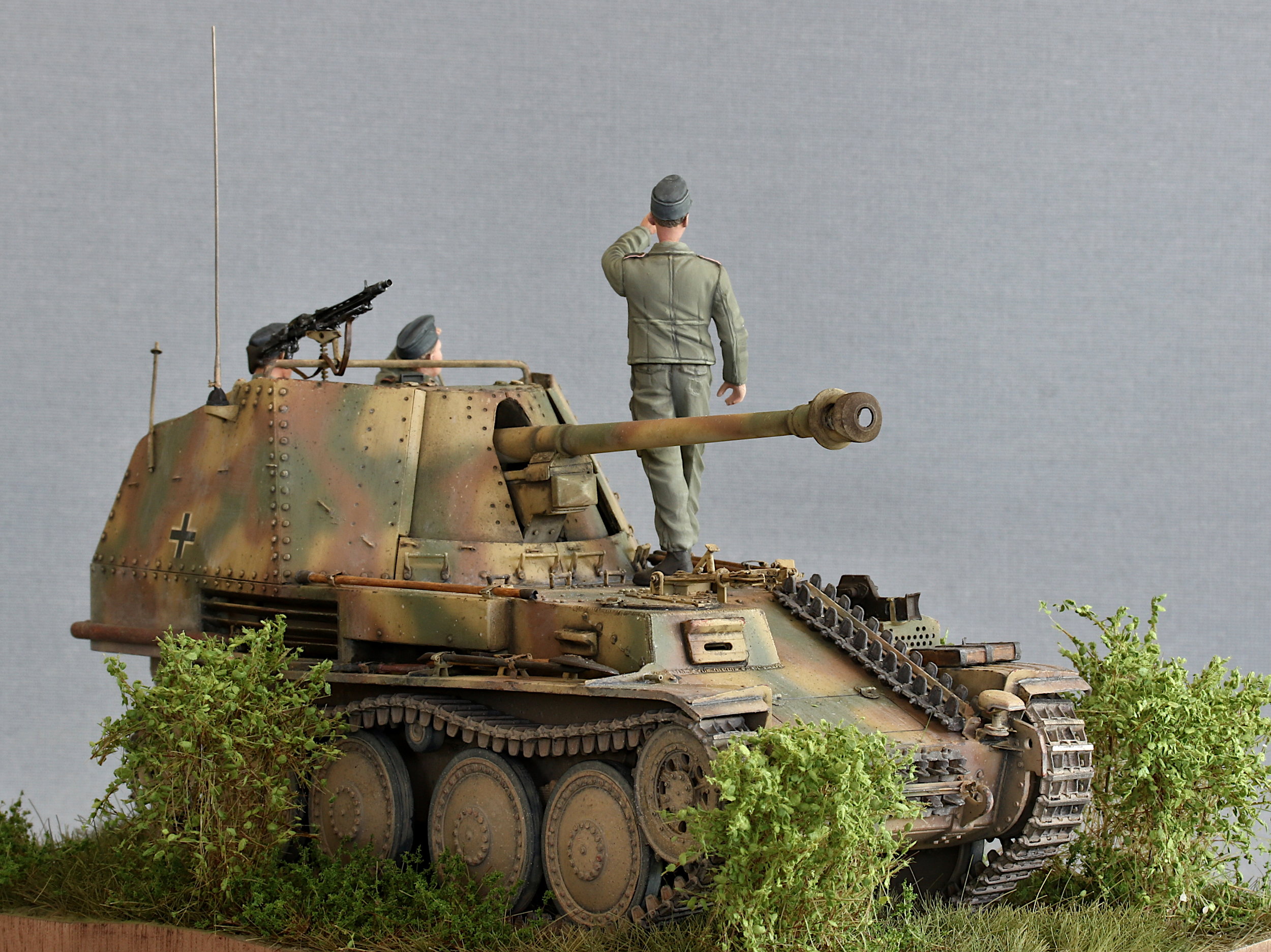
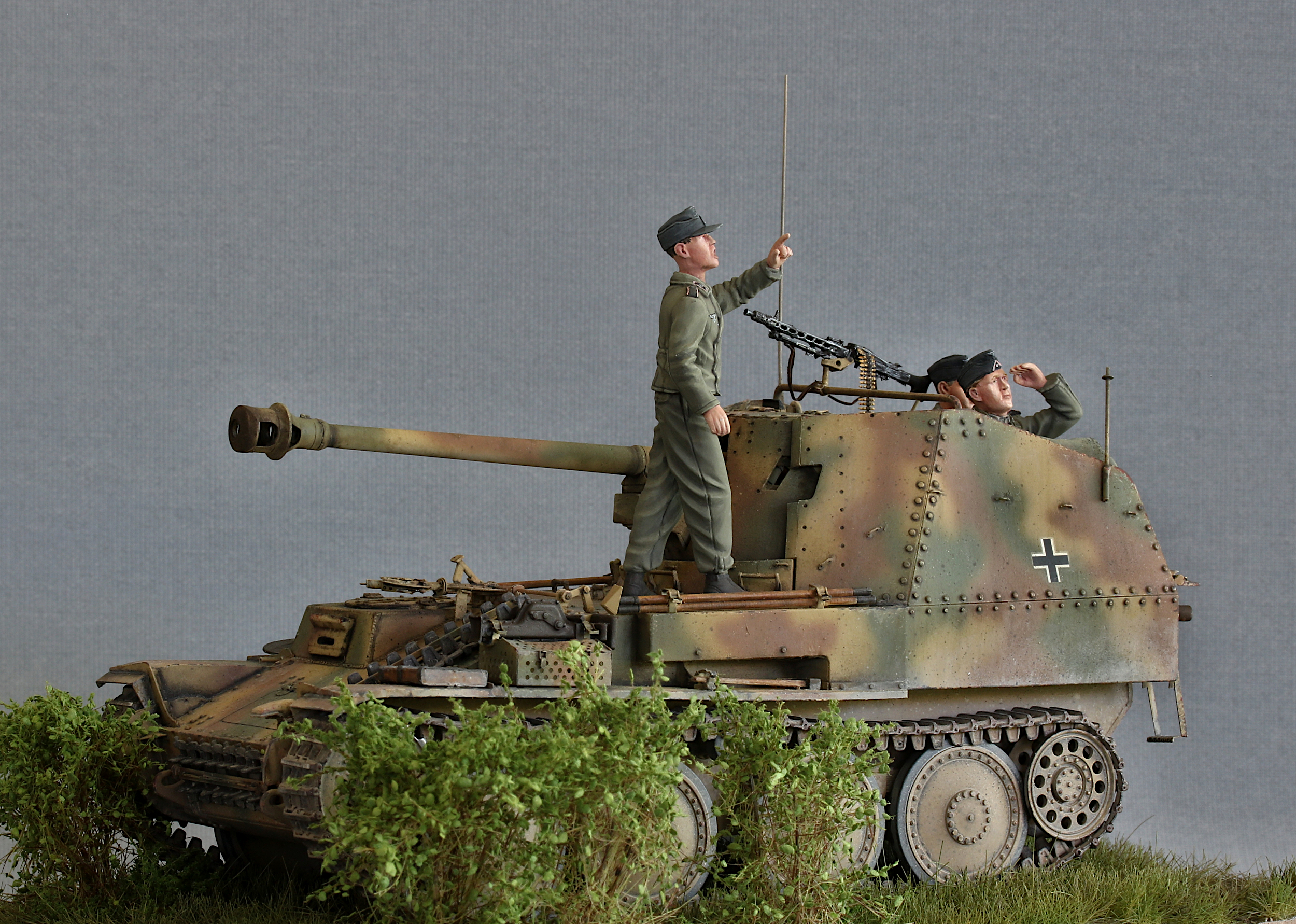
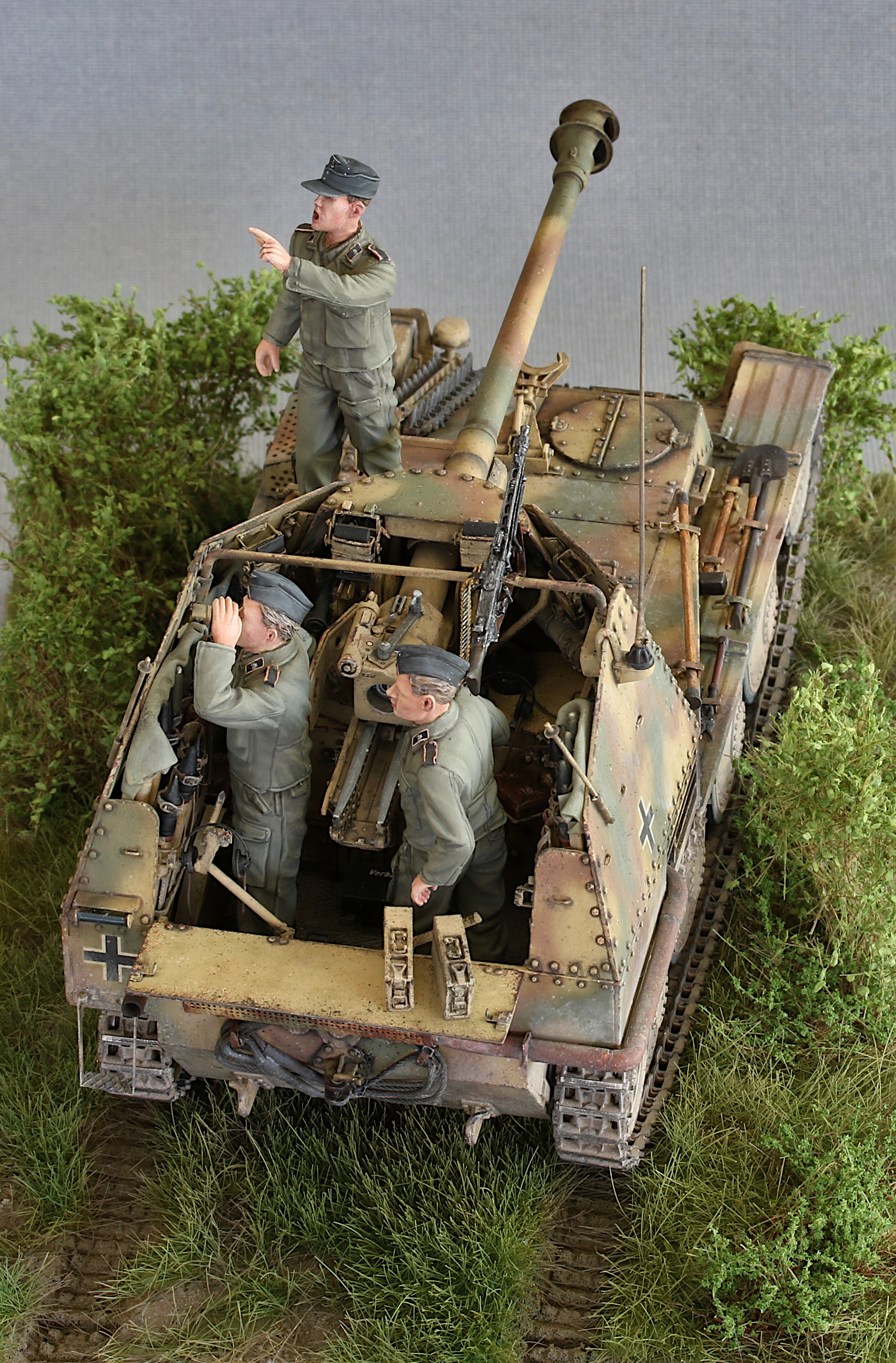
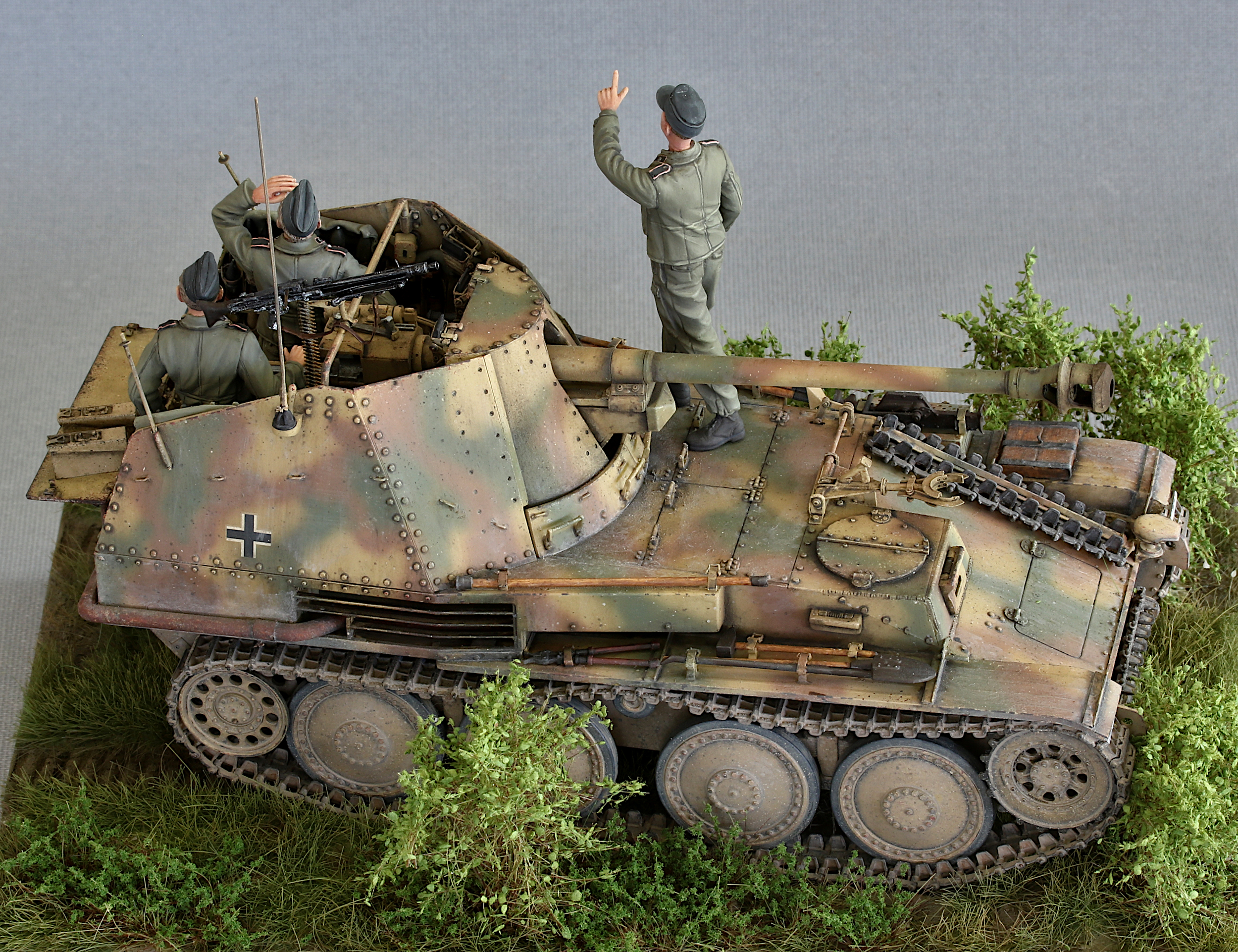
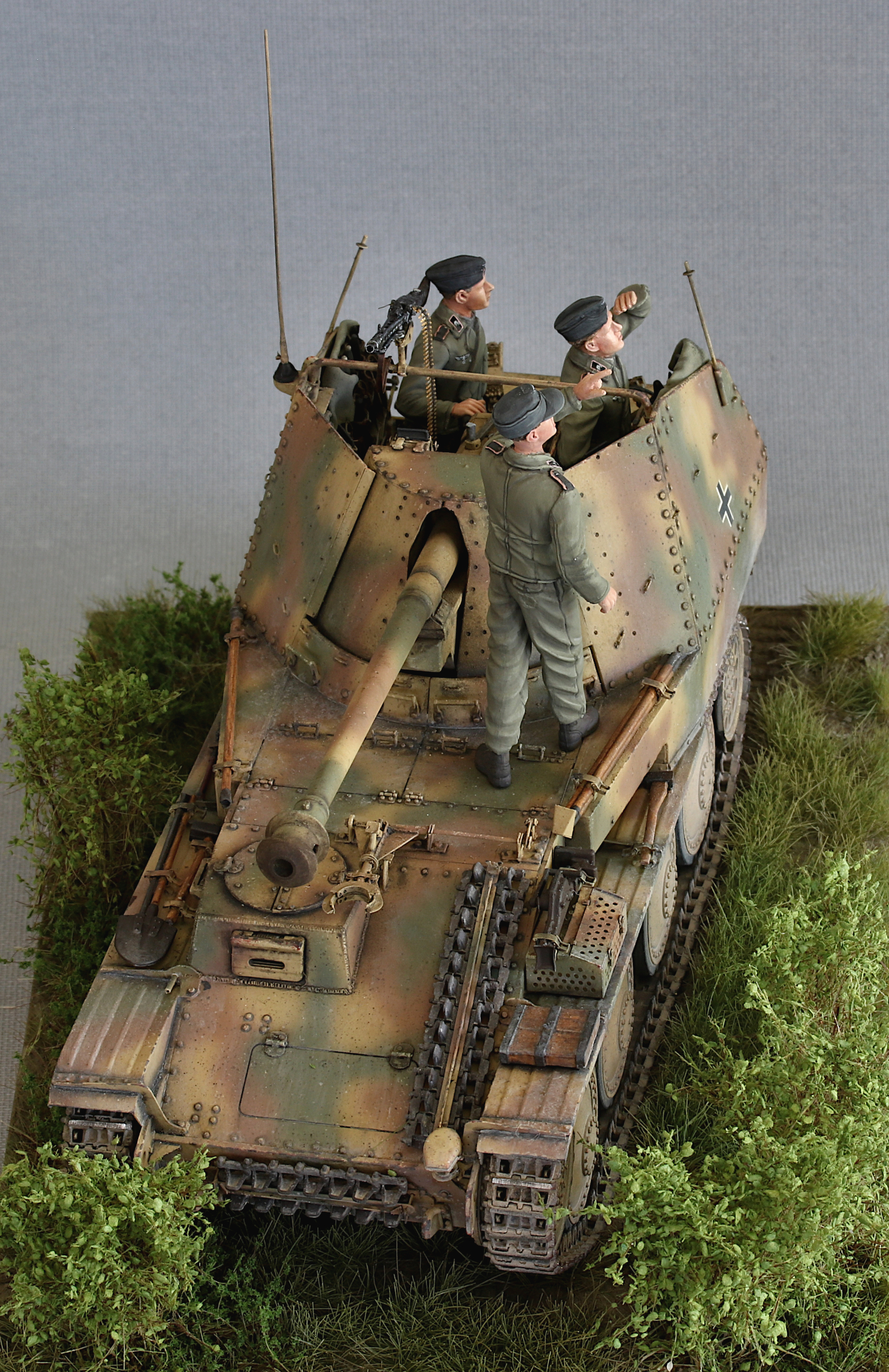
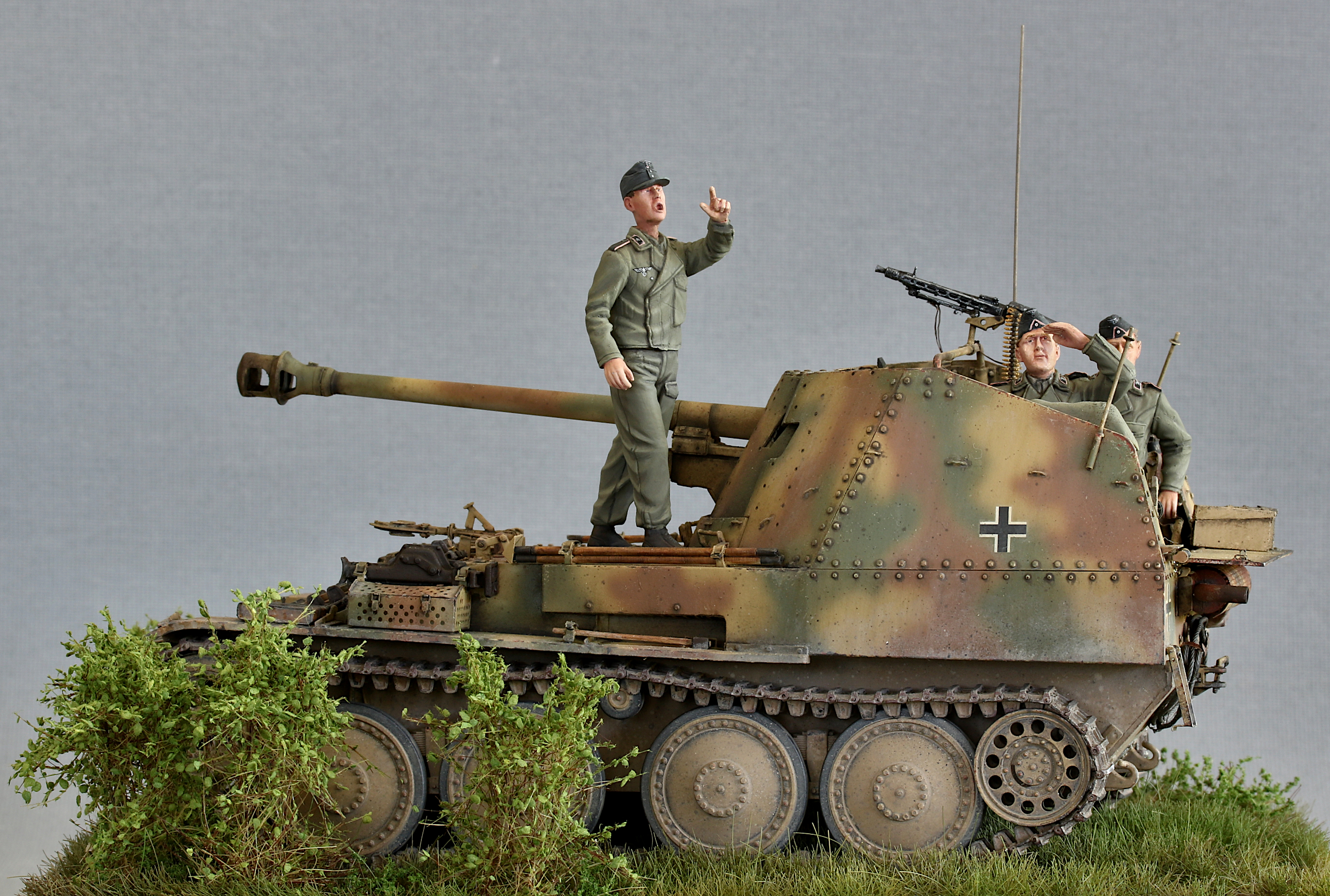
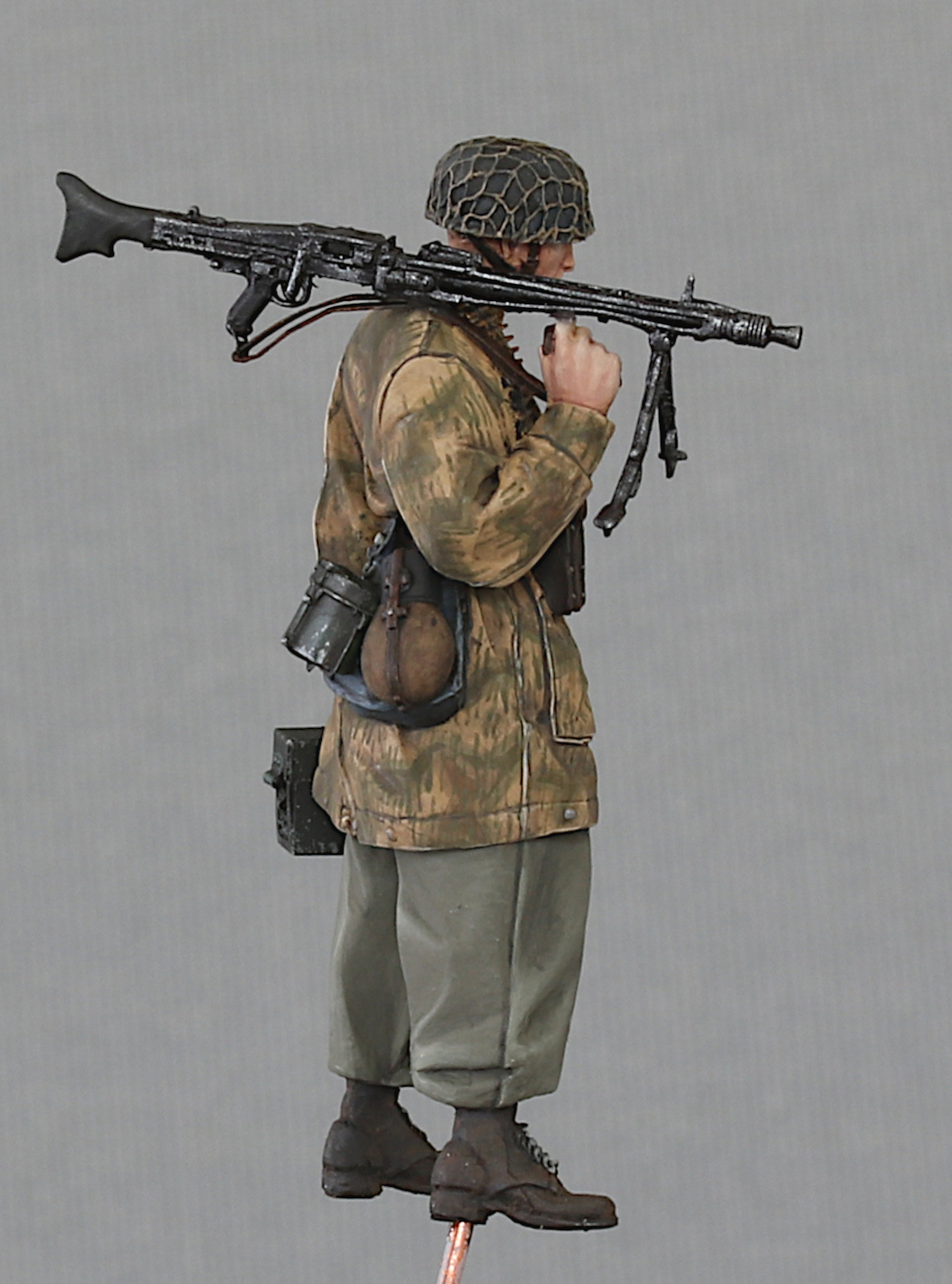
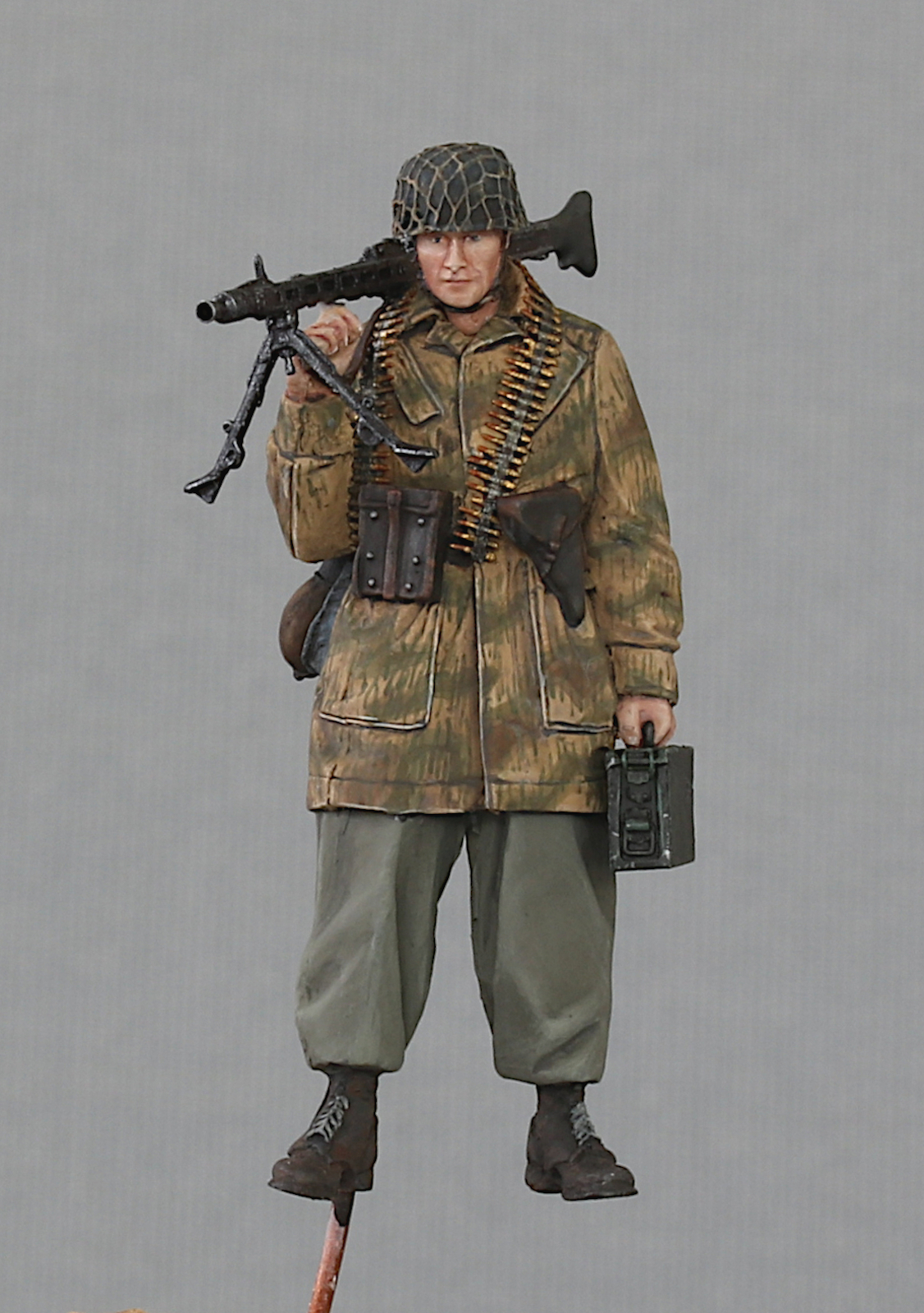
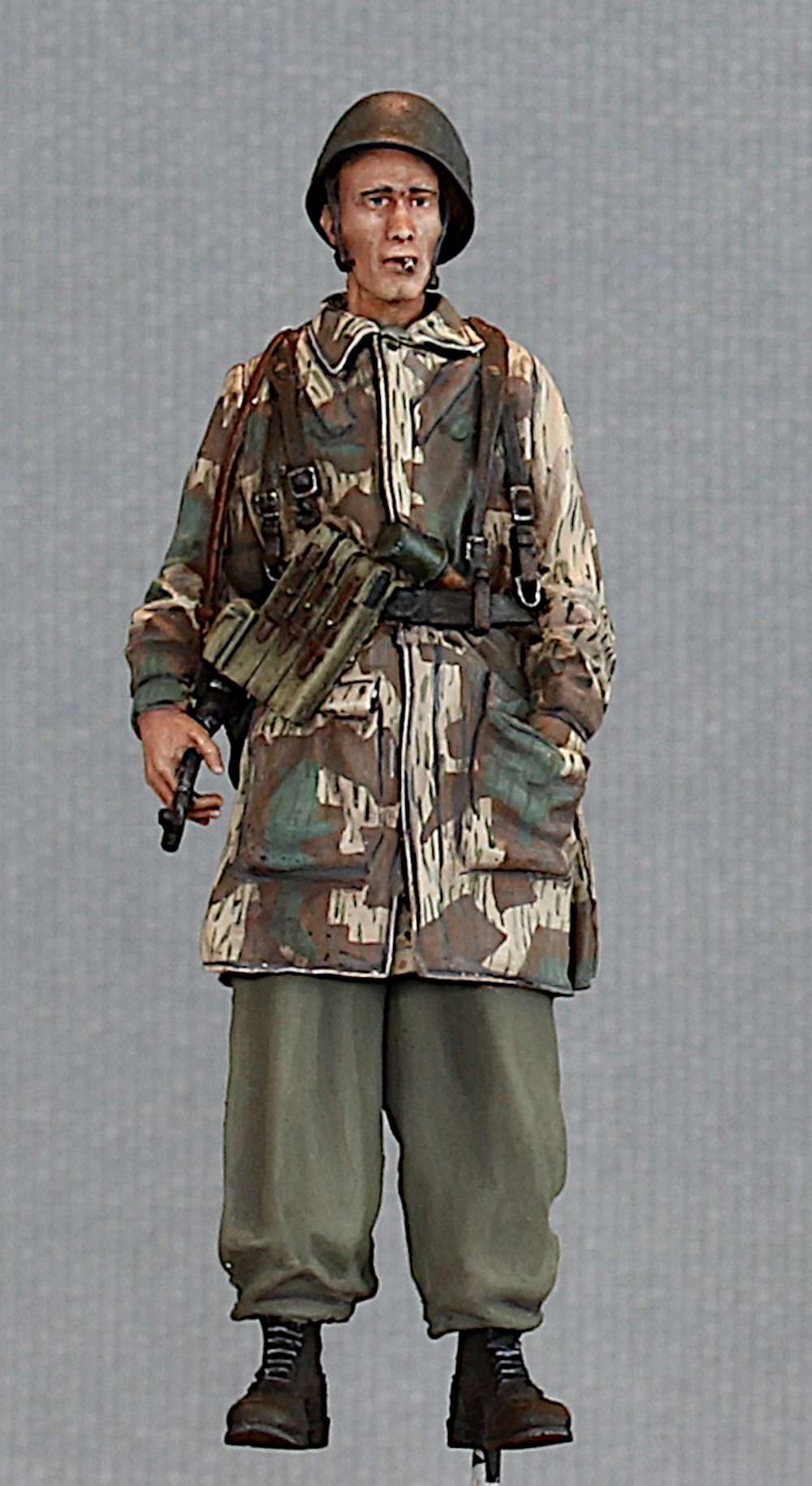
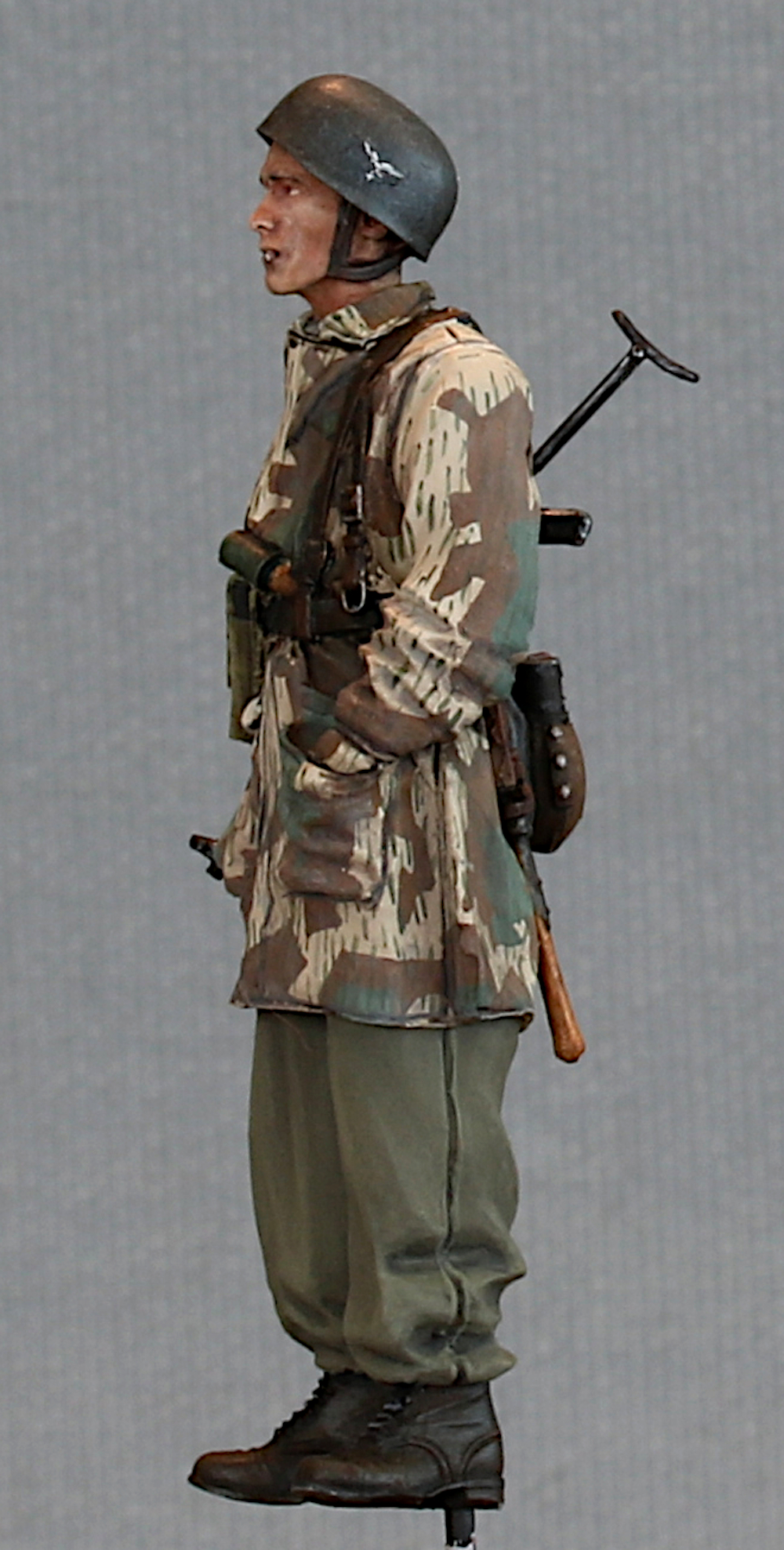
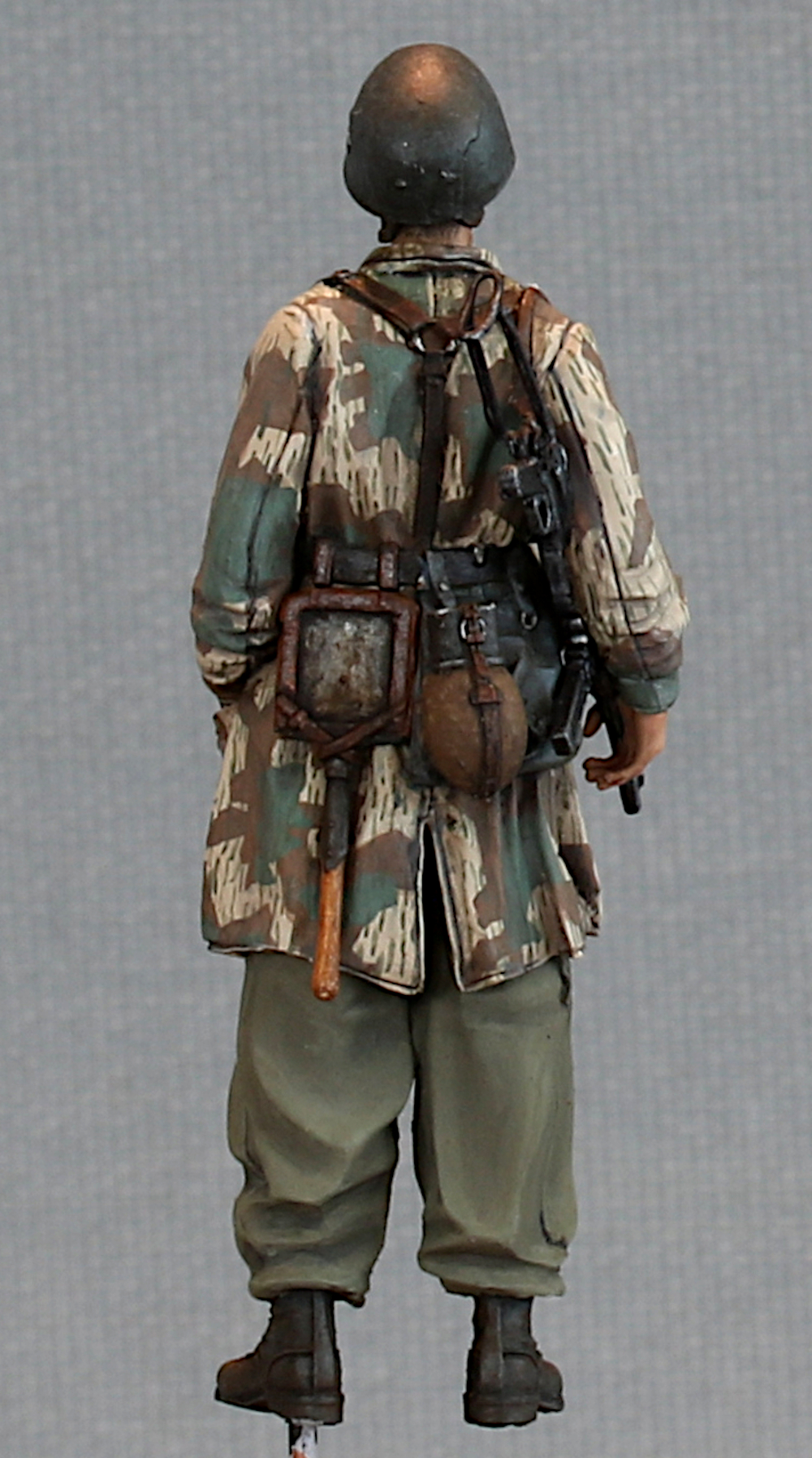
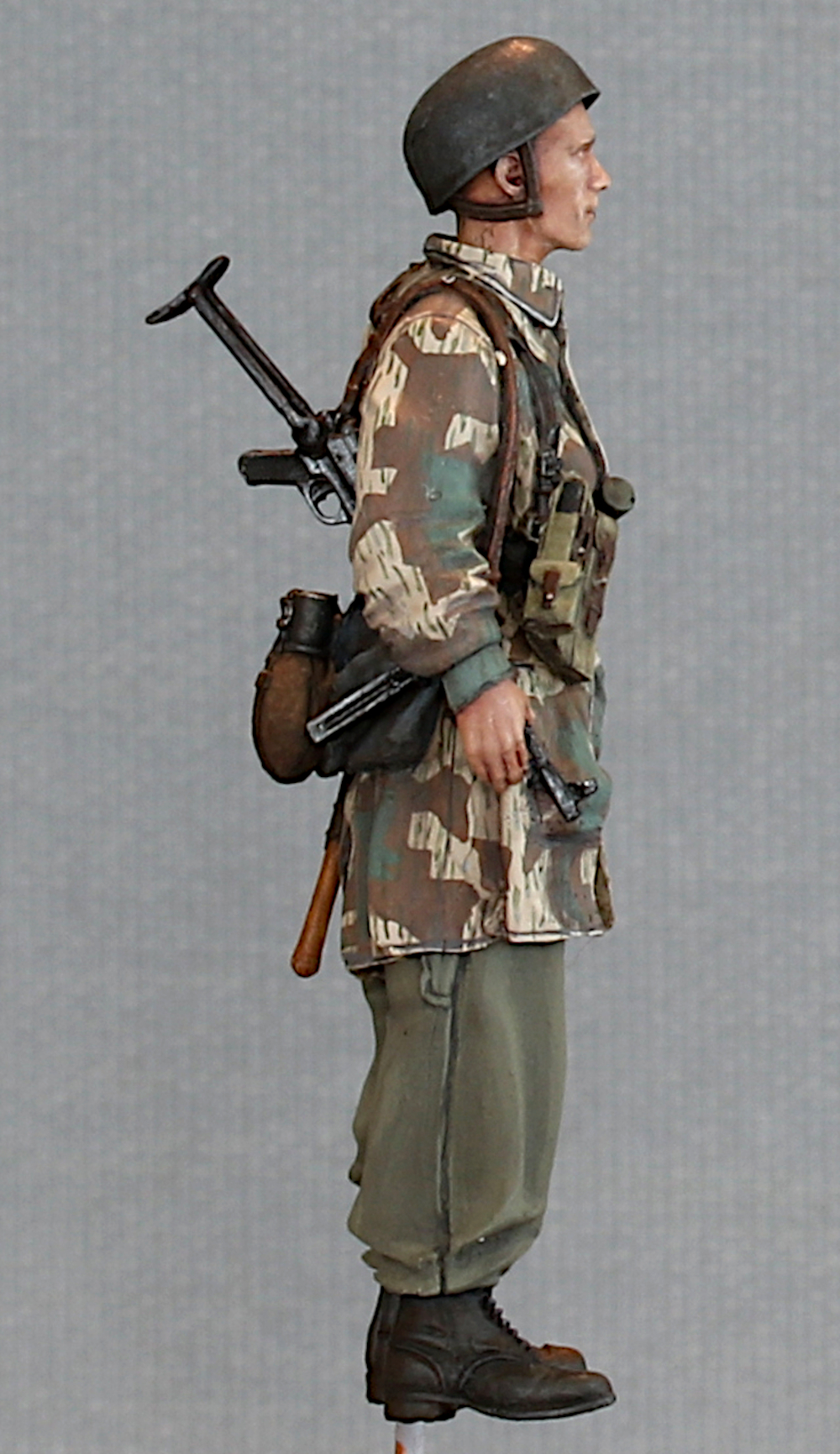
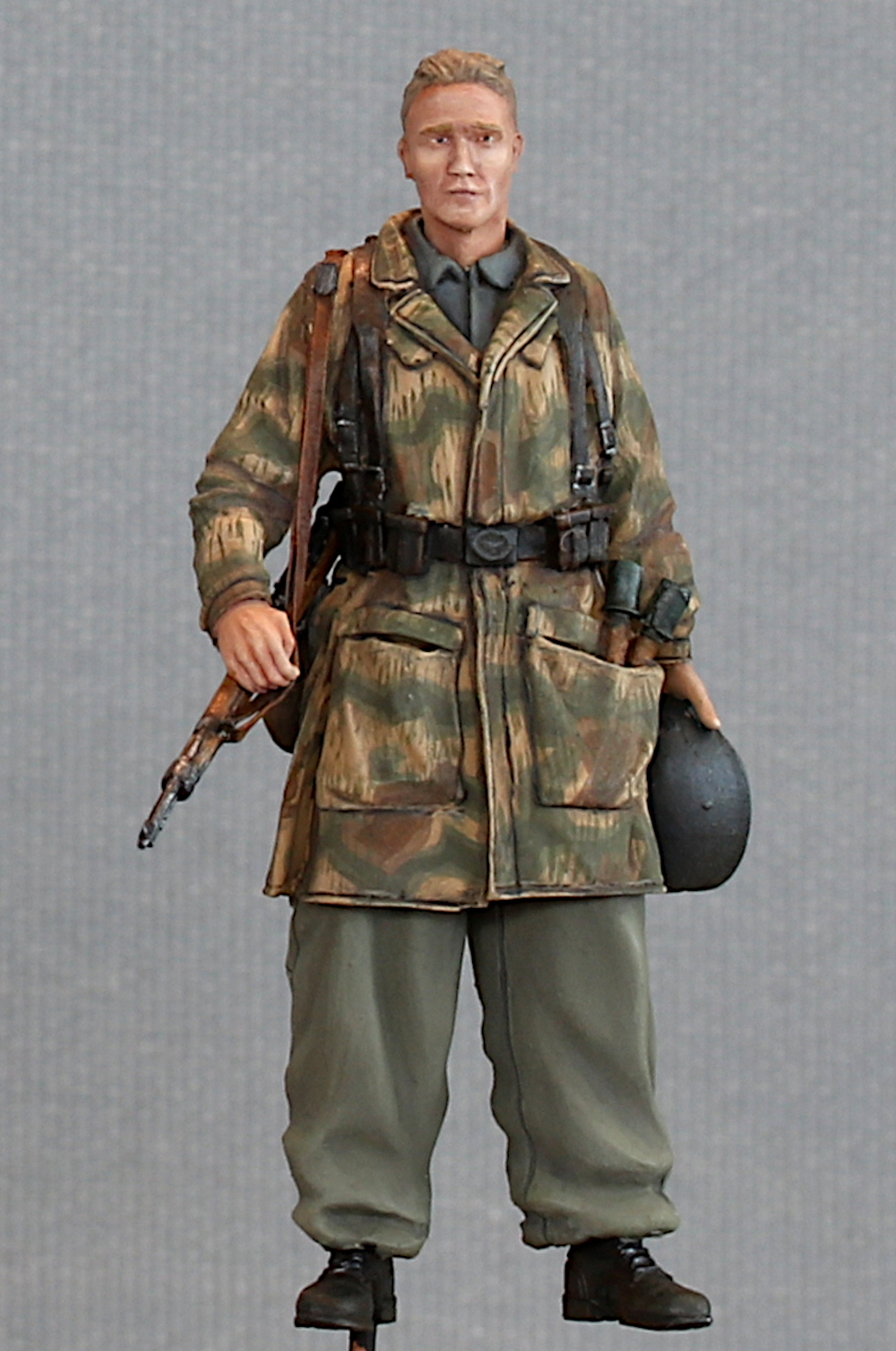
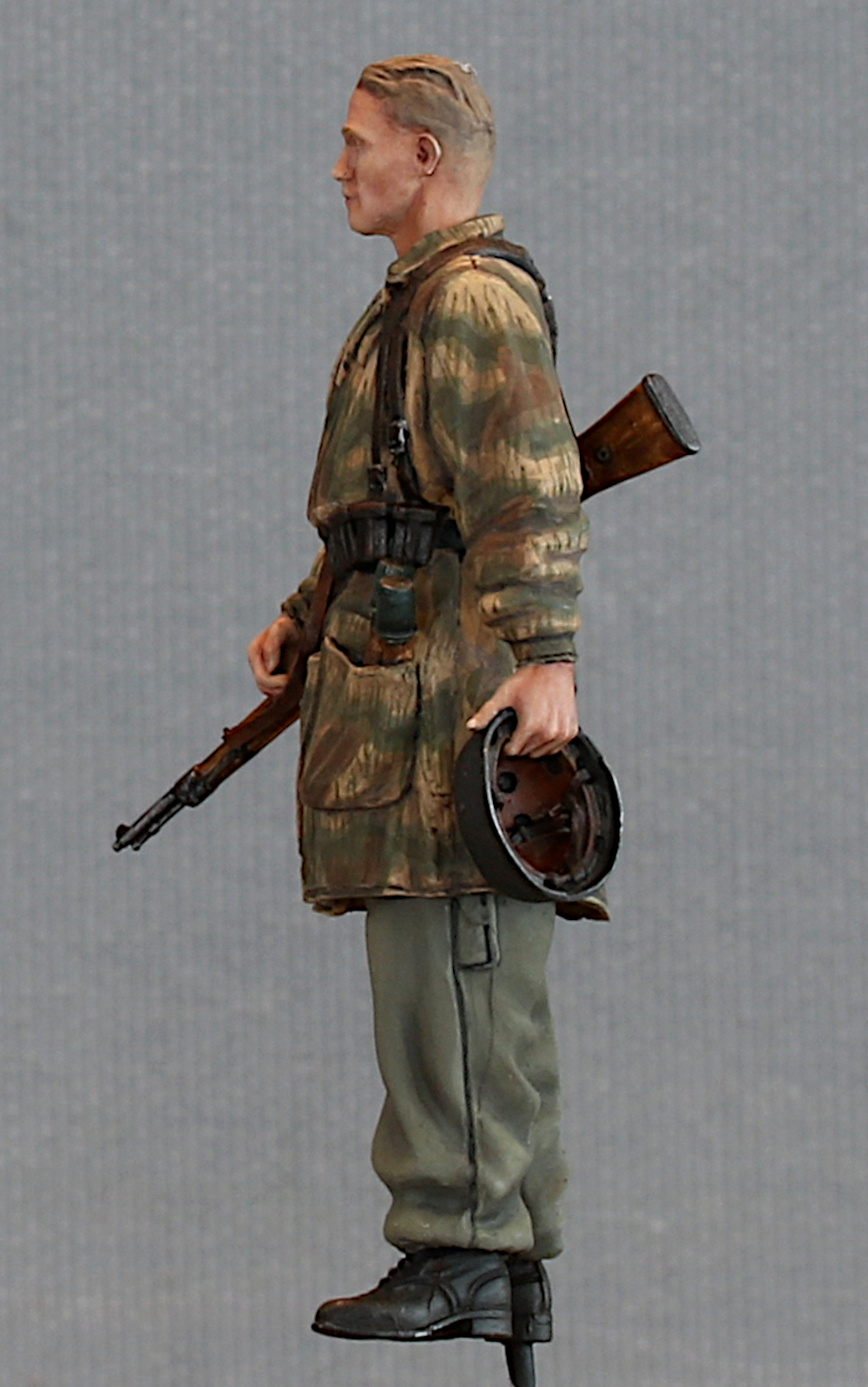
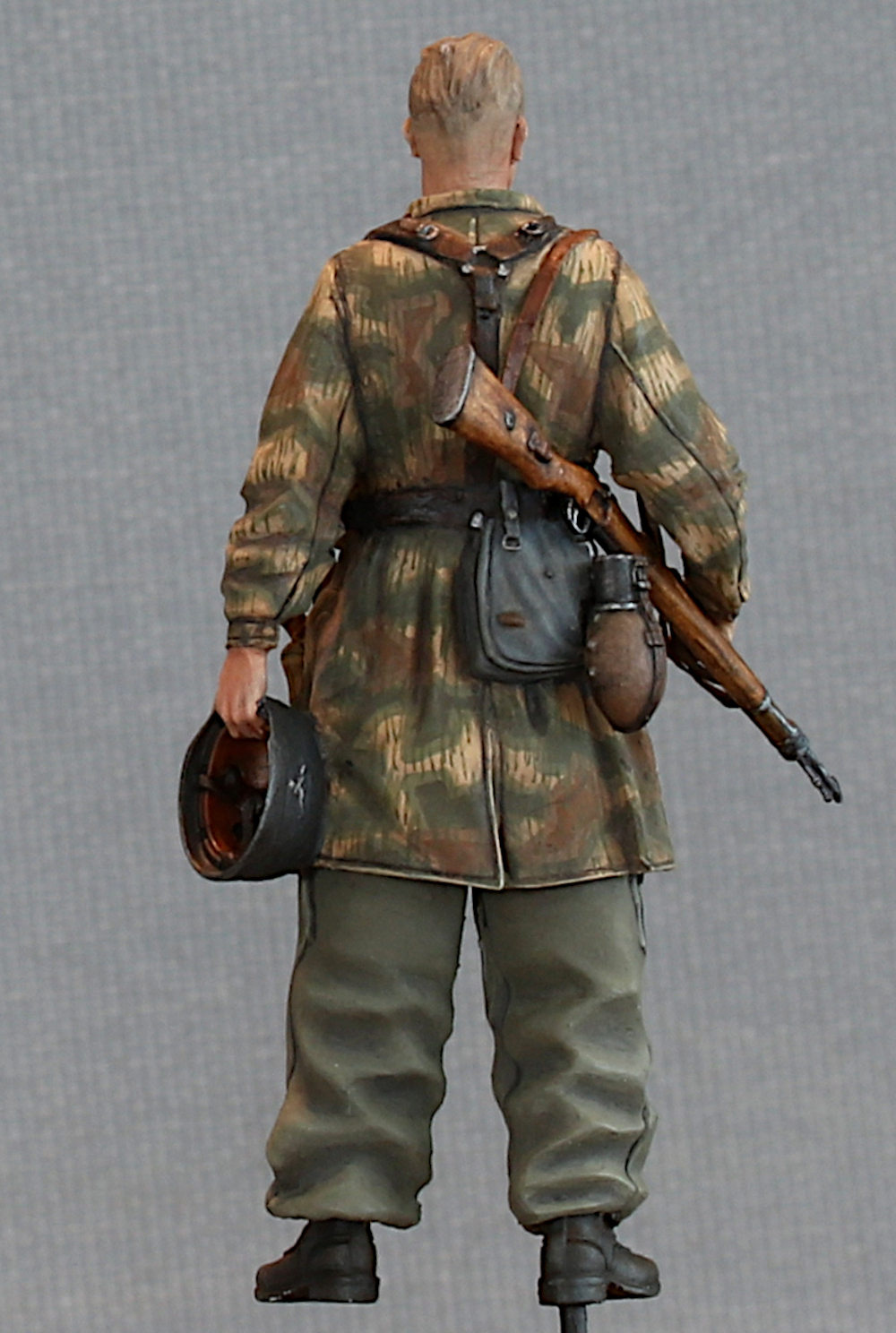
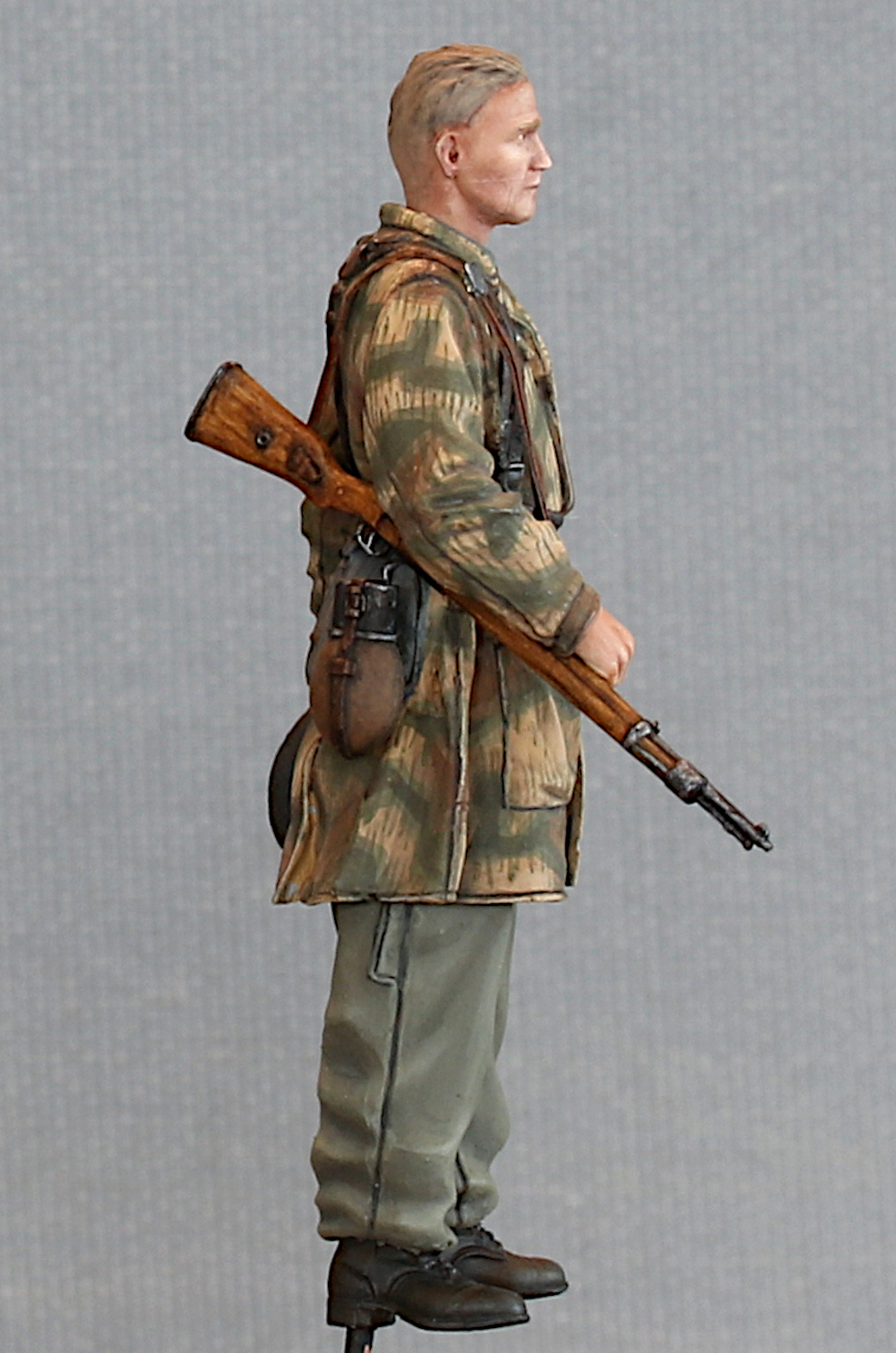
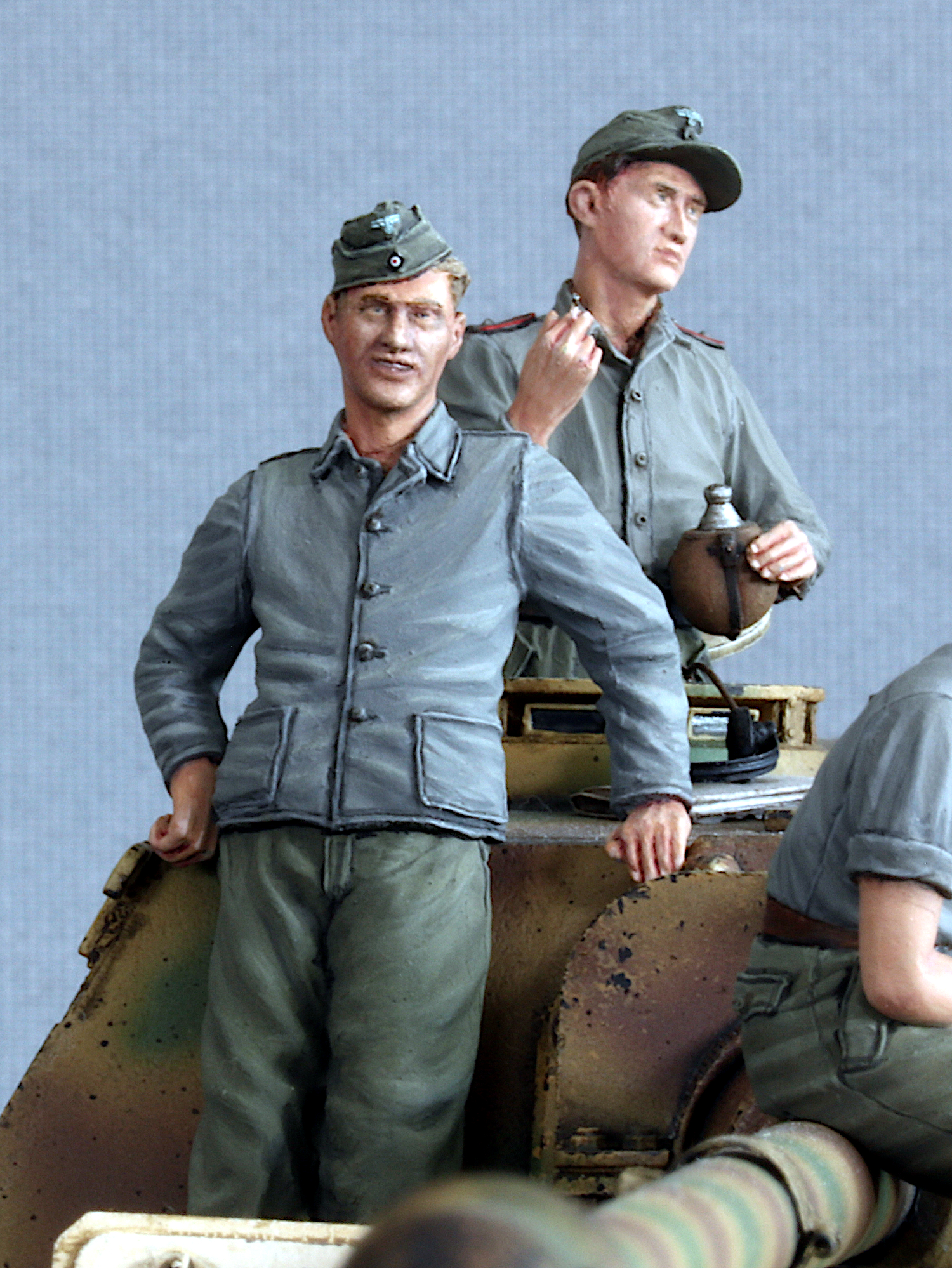
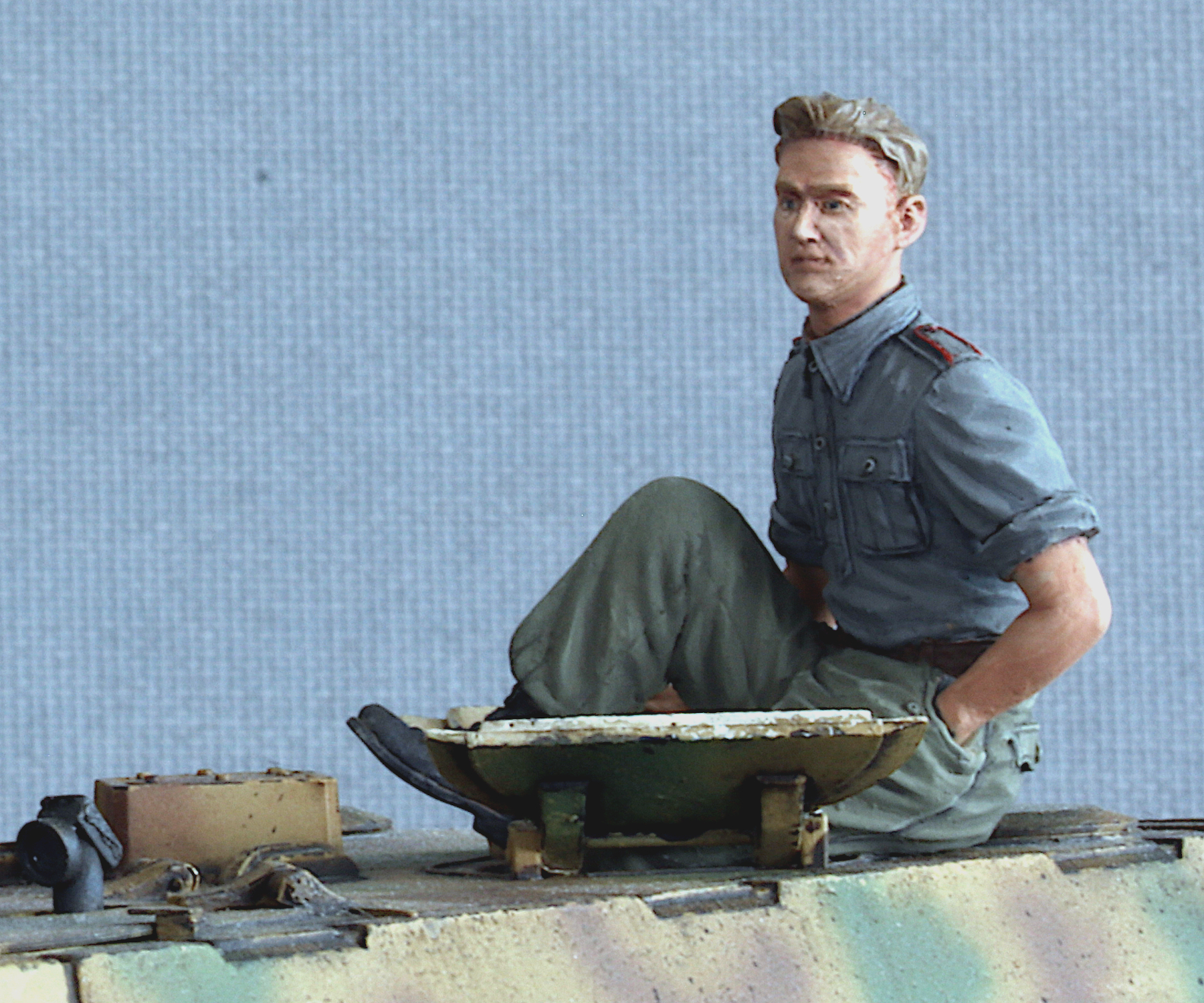
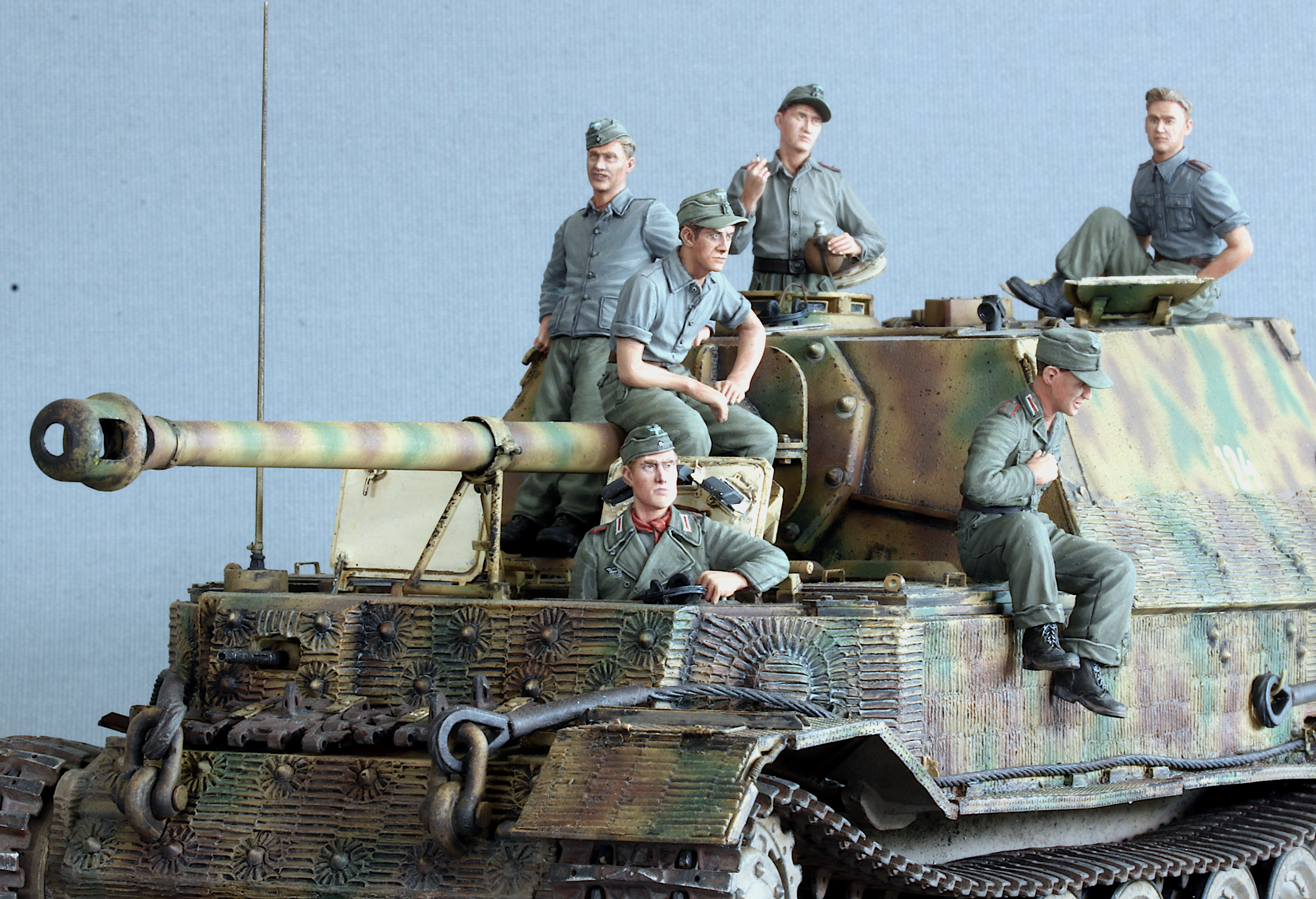
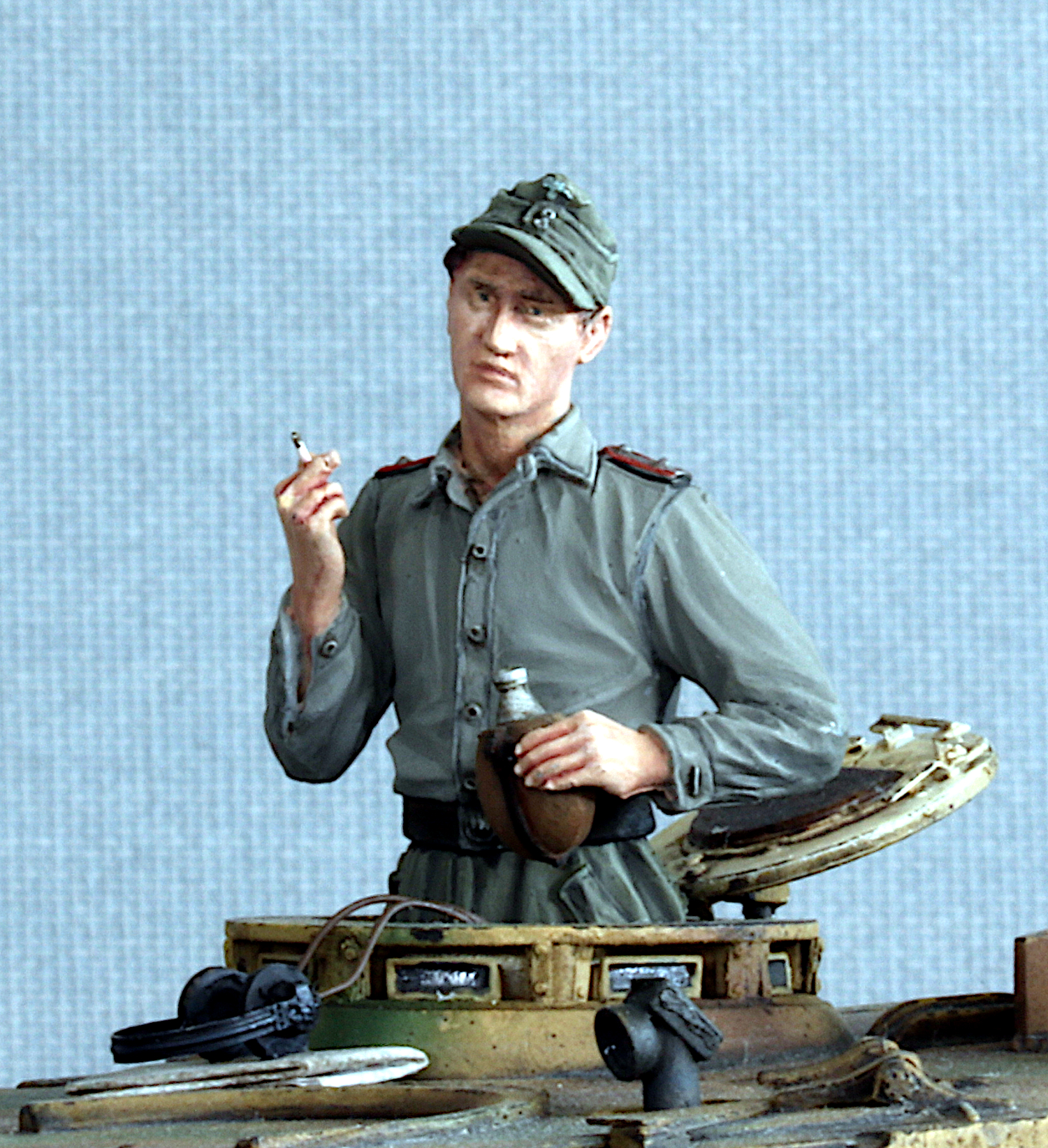
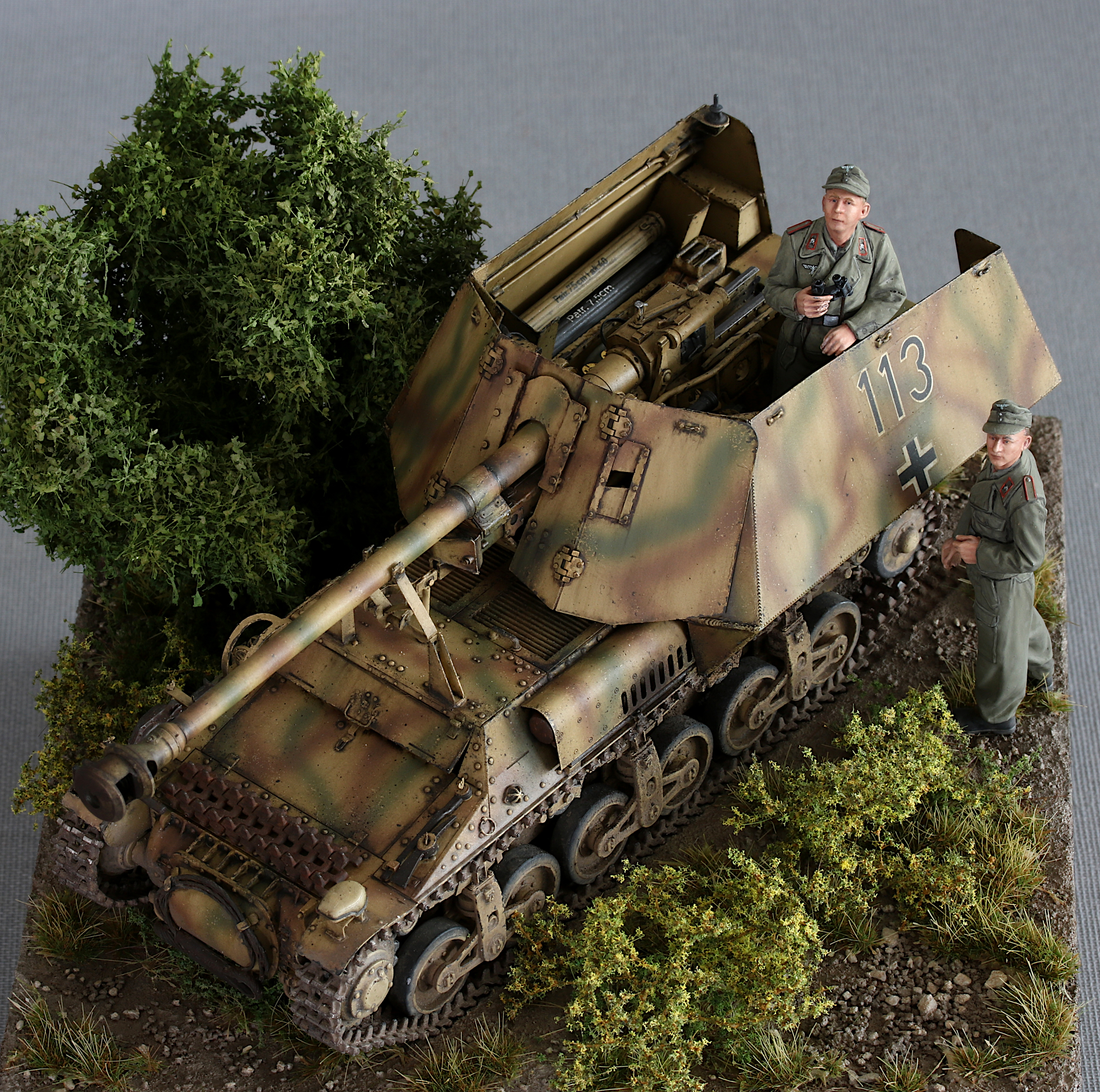
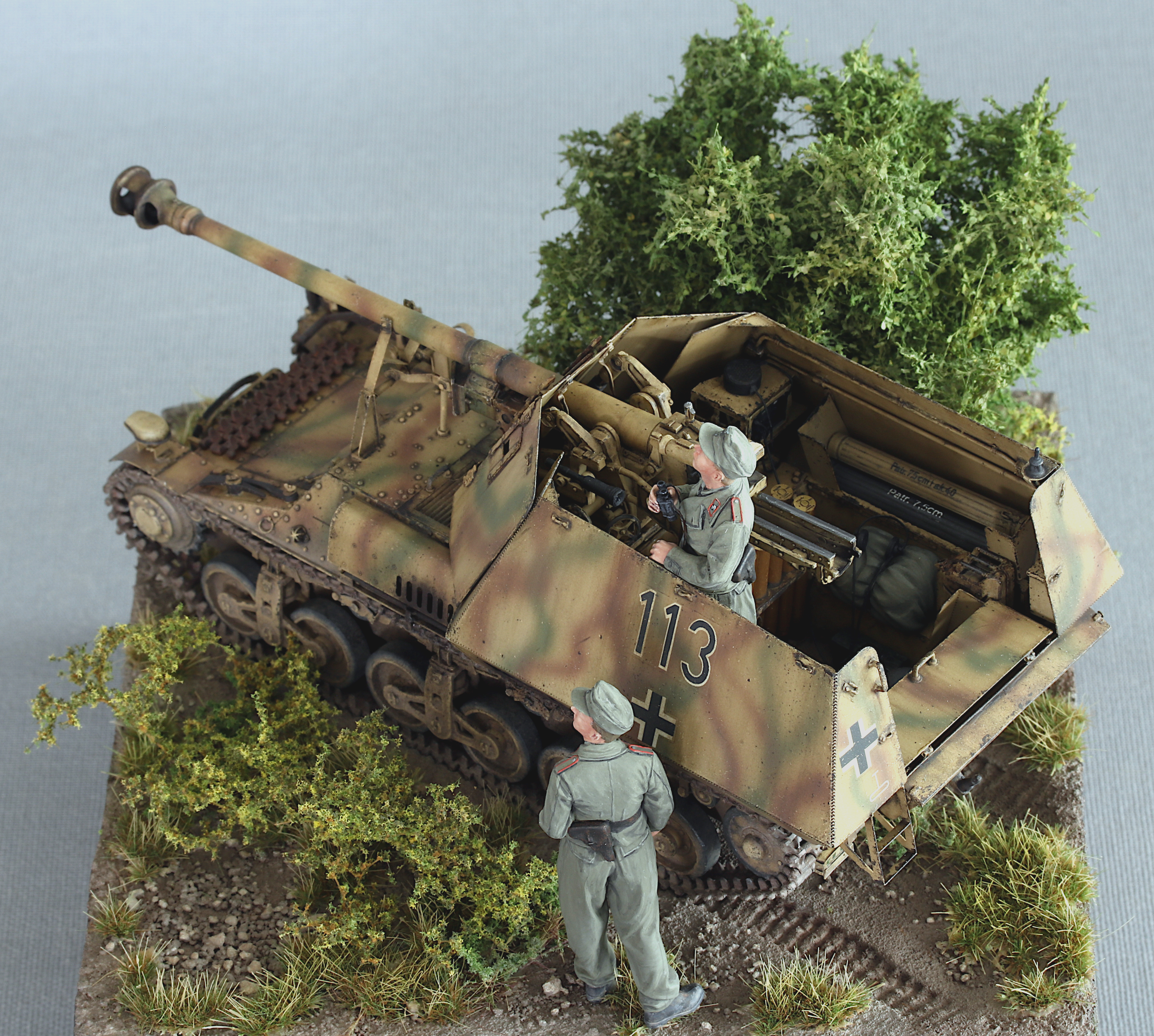
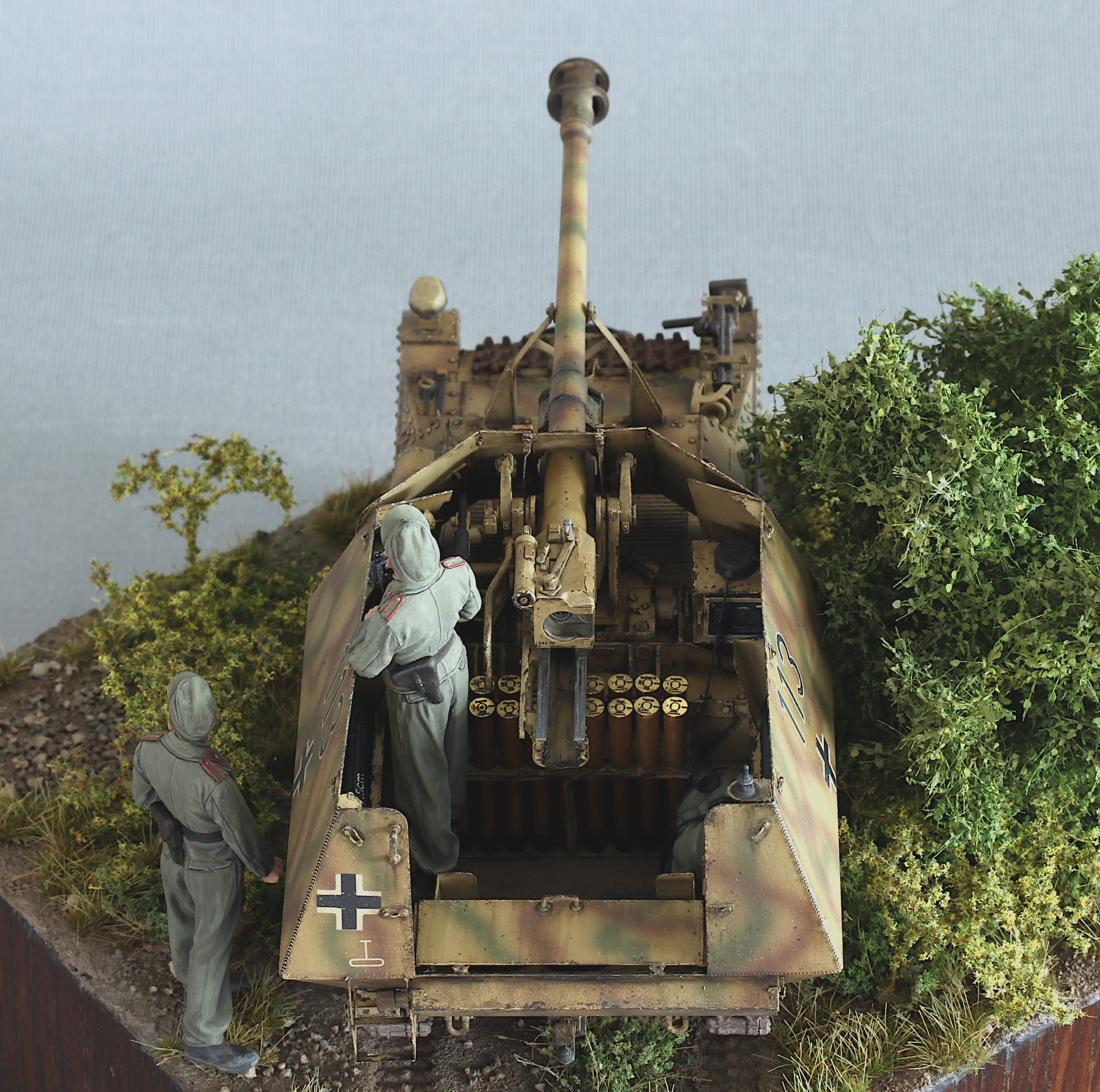
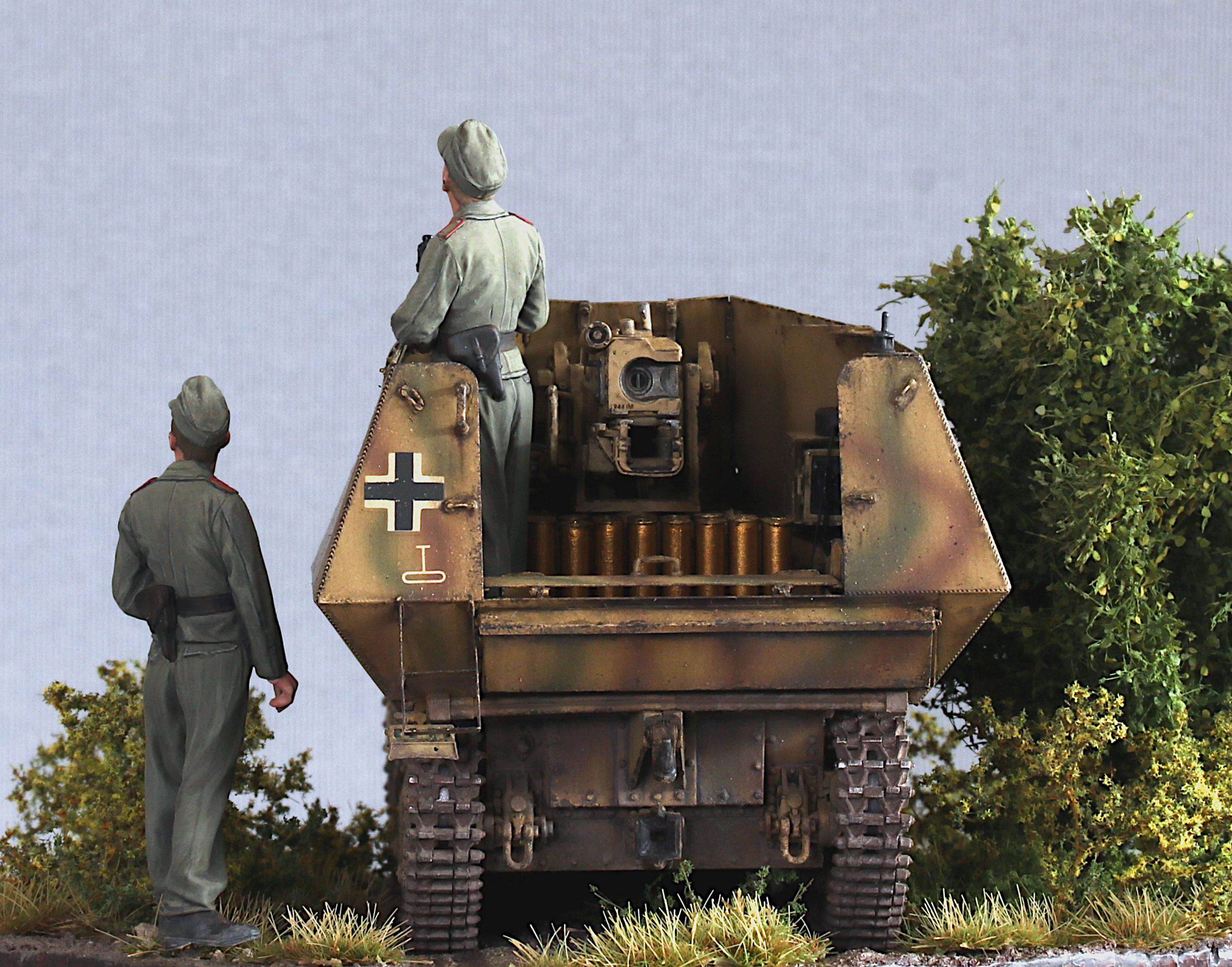
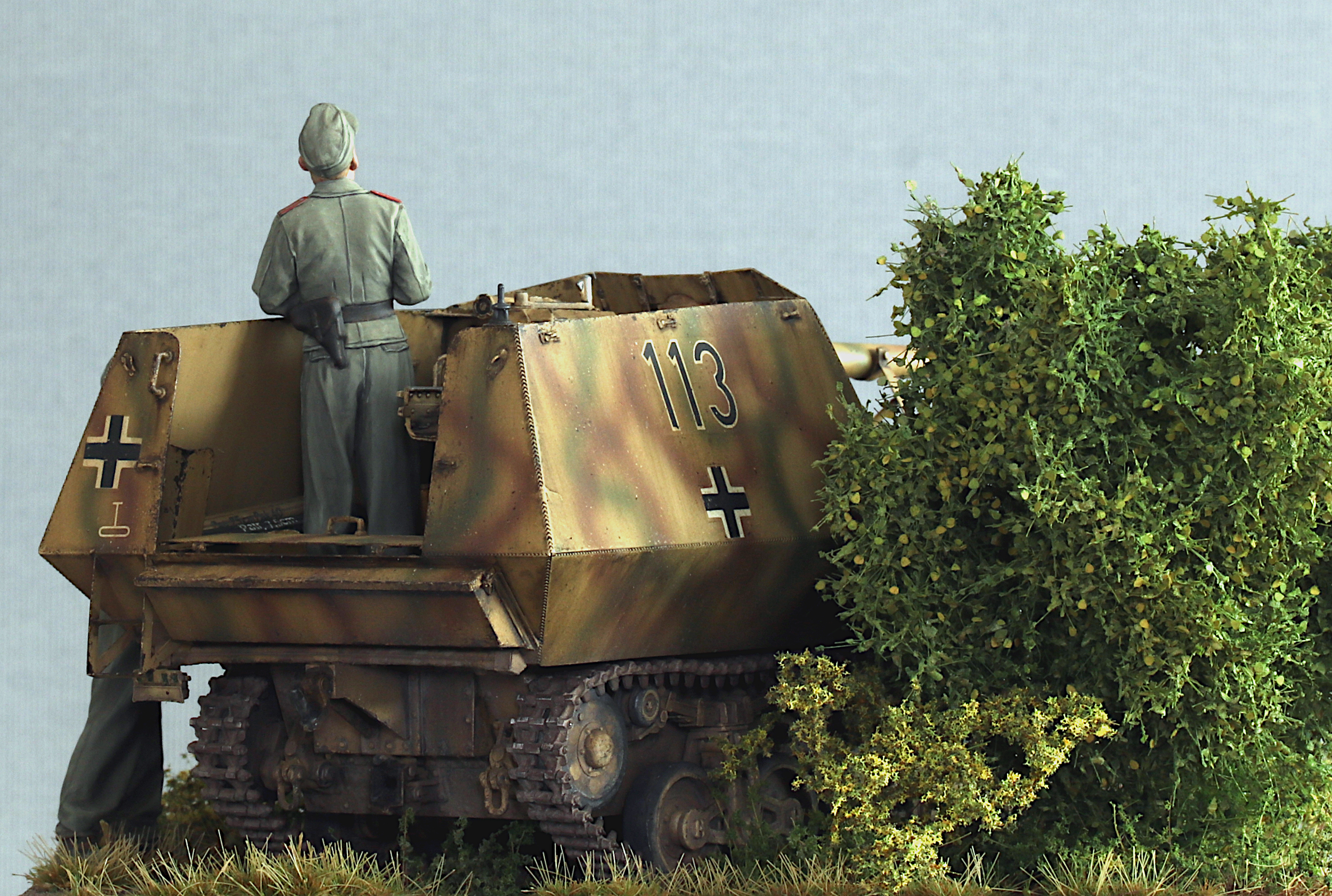
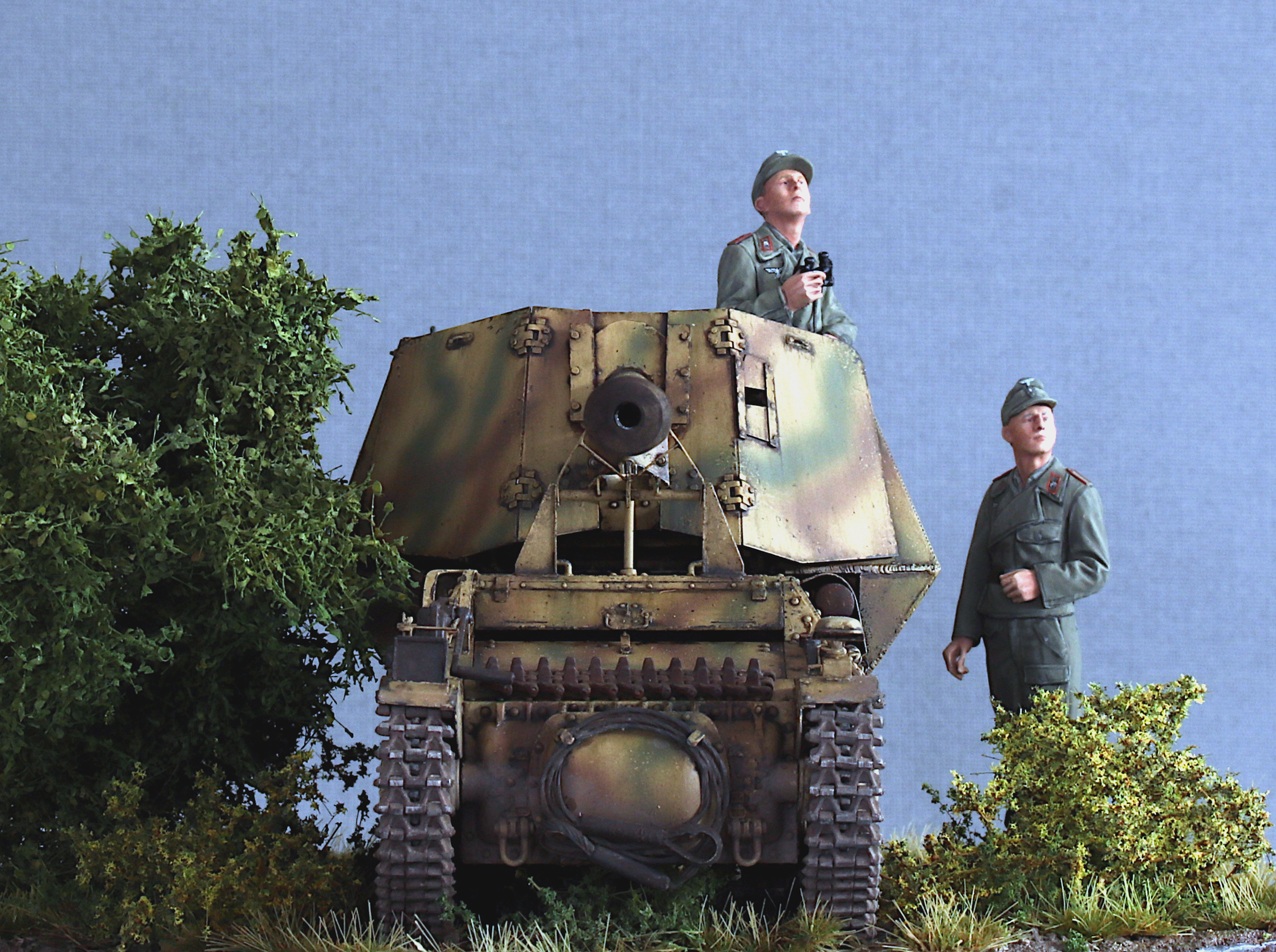
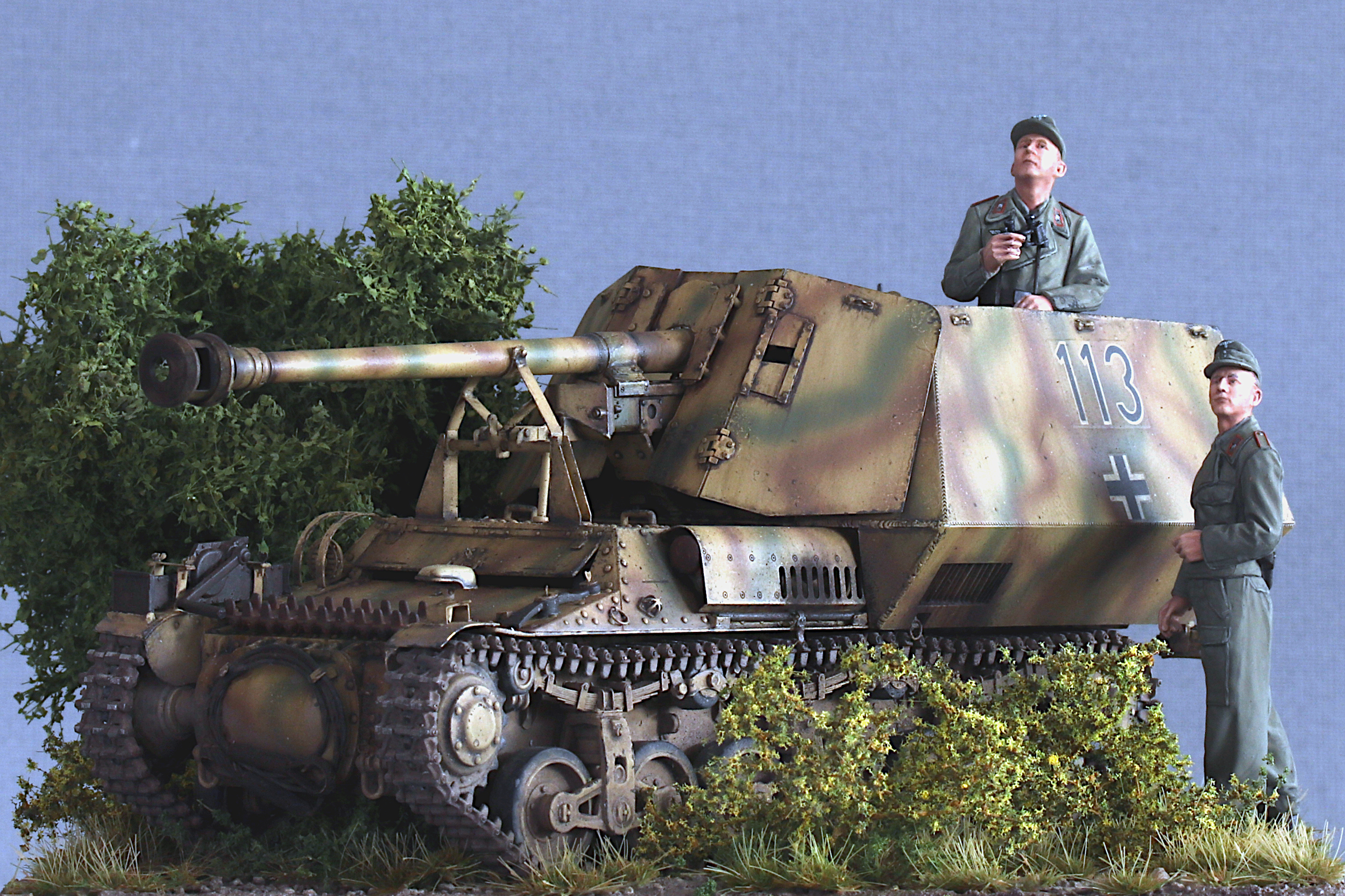
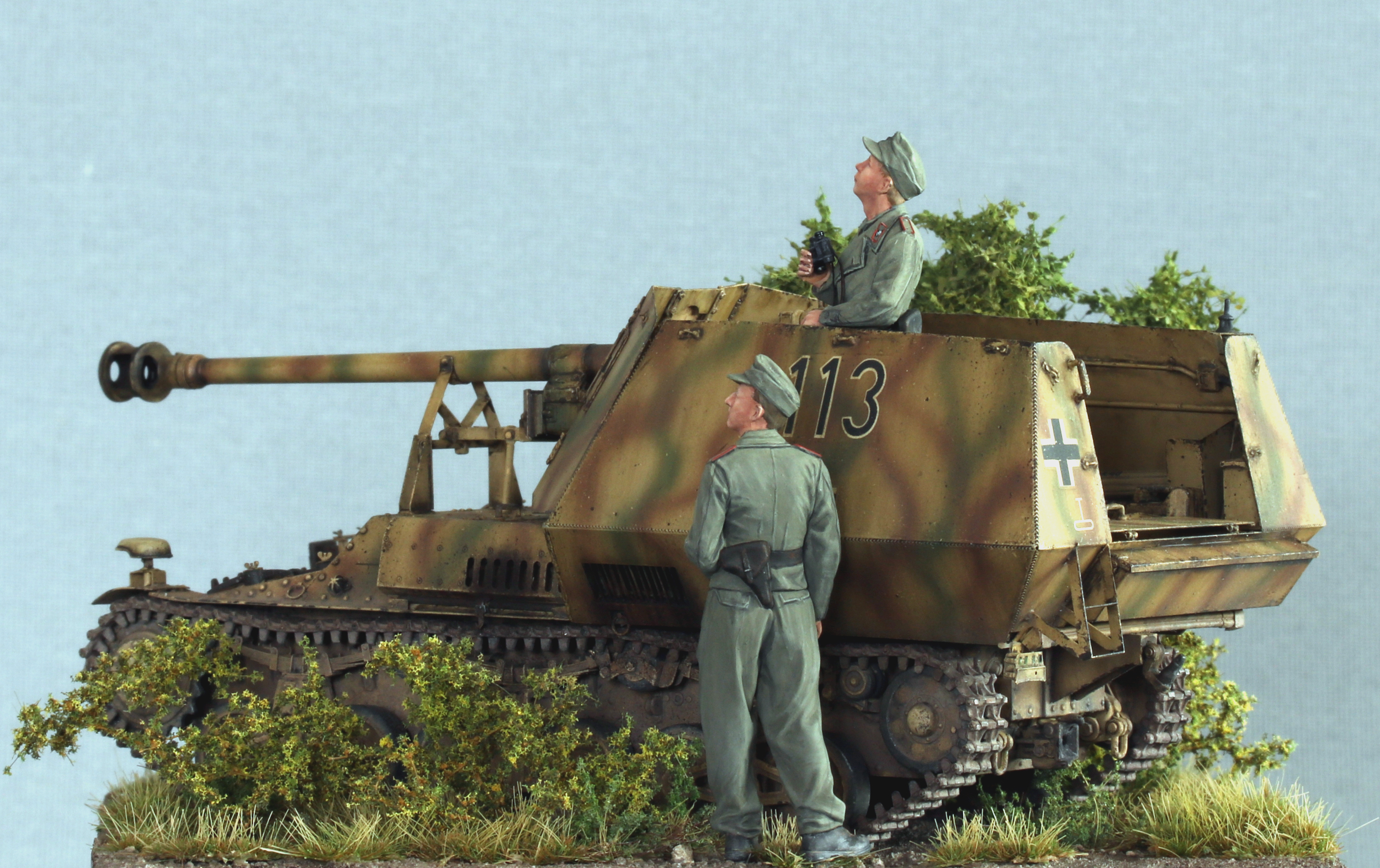
Now I finished the last of my three Marder kits. It depicts a Marder III H from Leibstandarte at Charkow in early 1943. I got inspired from a picture showing a vehicle from that unit there with a lot of personal items stowed on it, so I tried to replicate this. I also added quite a few figures from Alpine.

The kit was from Dragon, with added PE parts from Voyager.

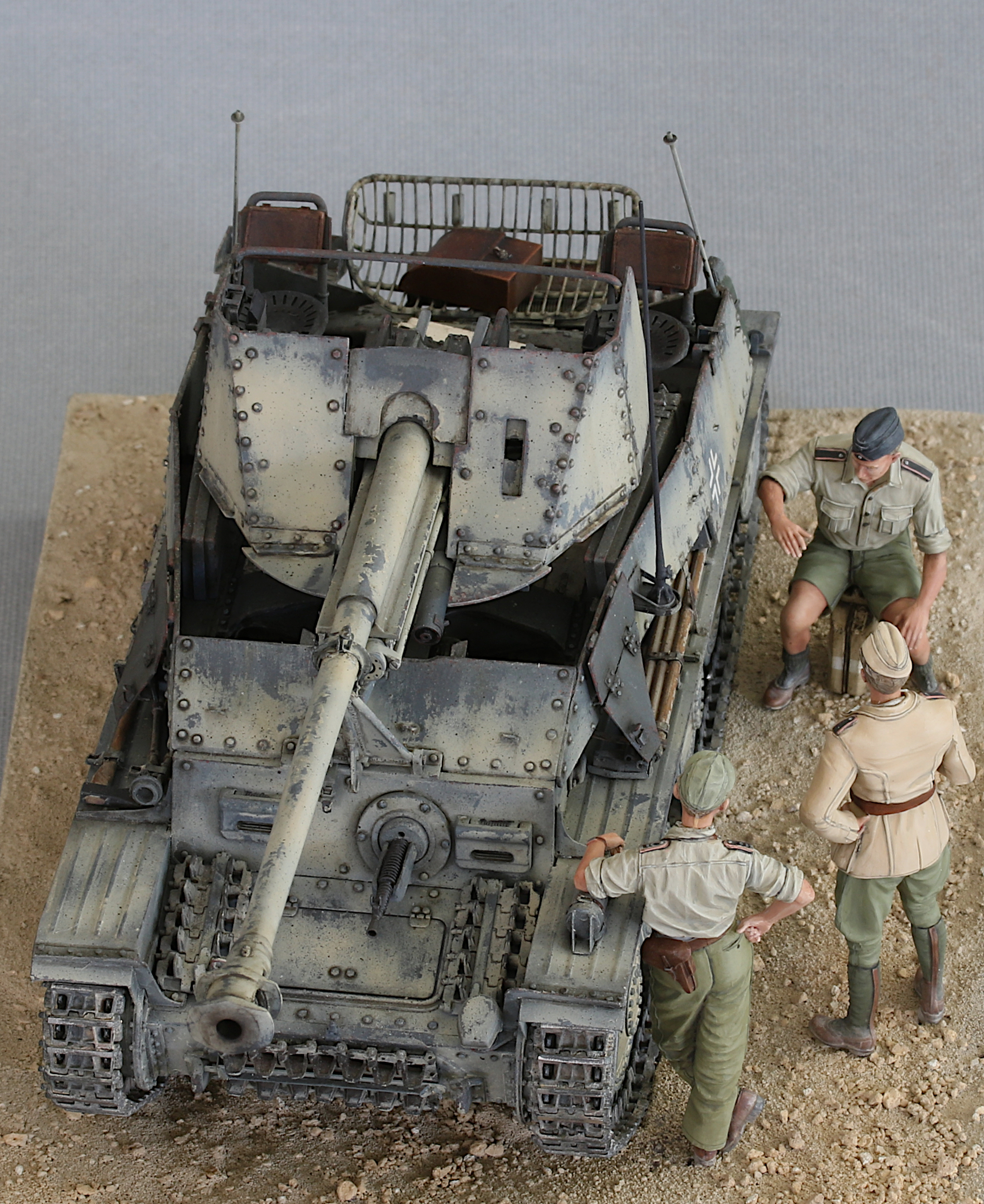
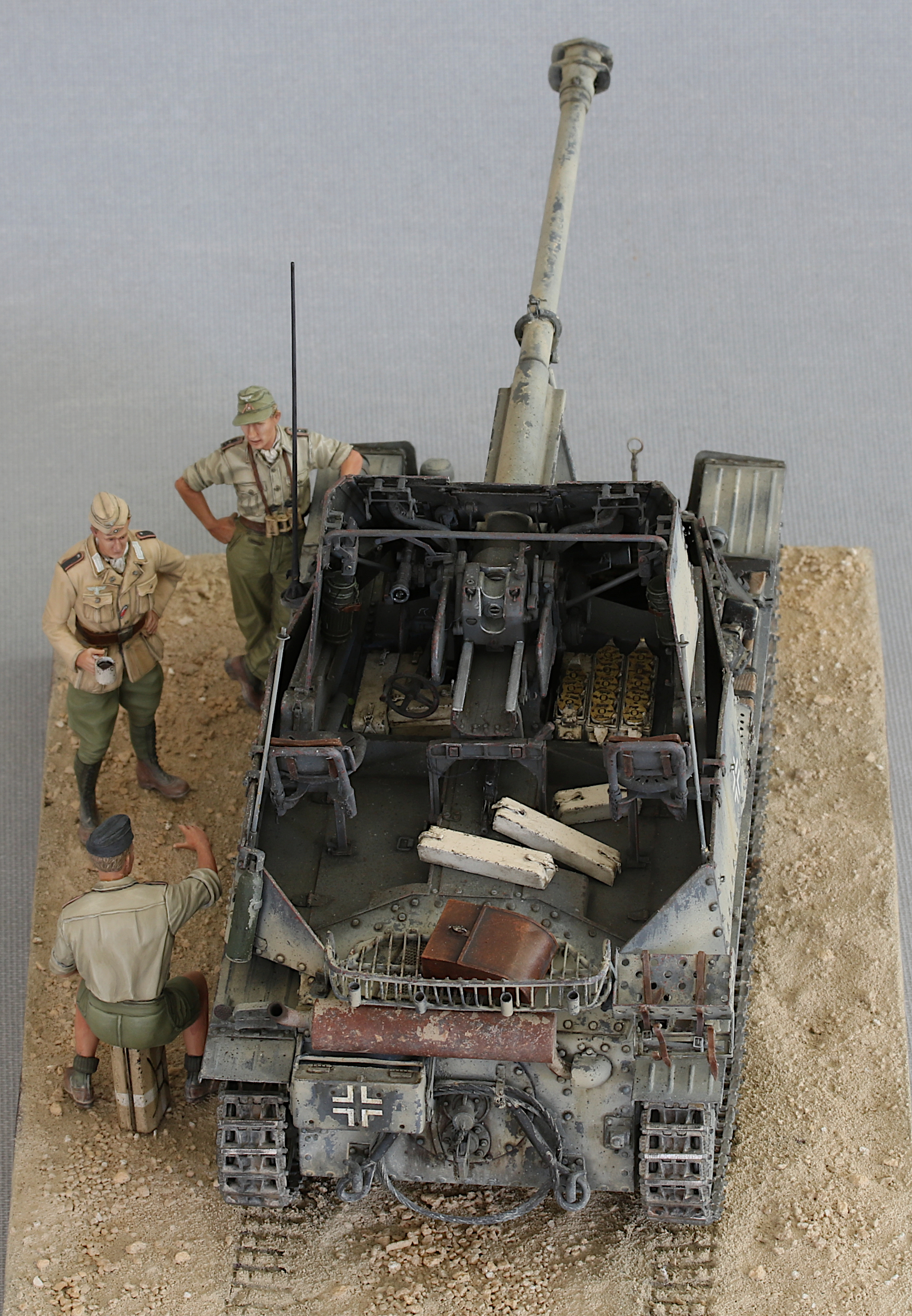
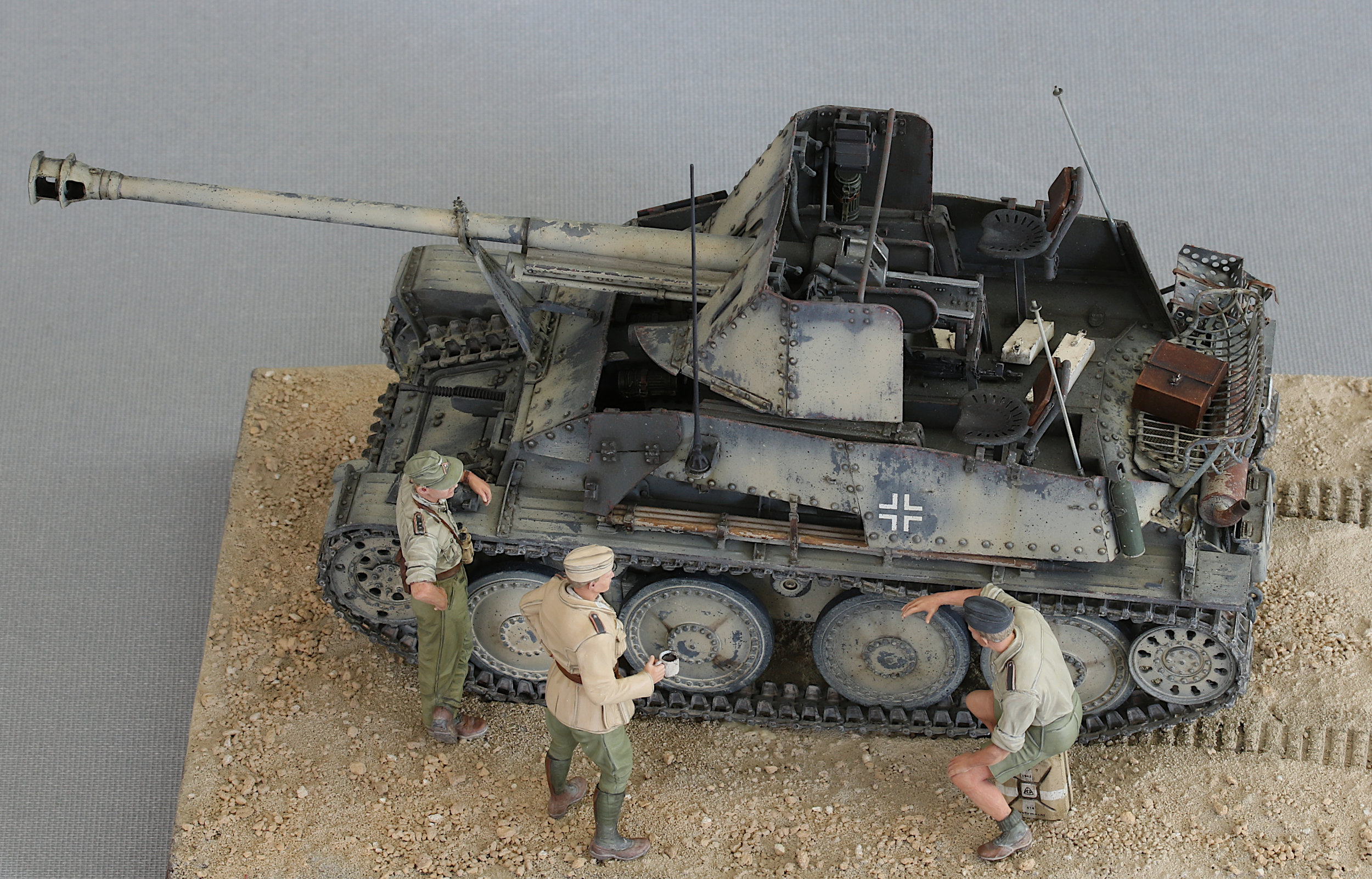
Marder III M (Sd Kfz 138)

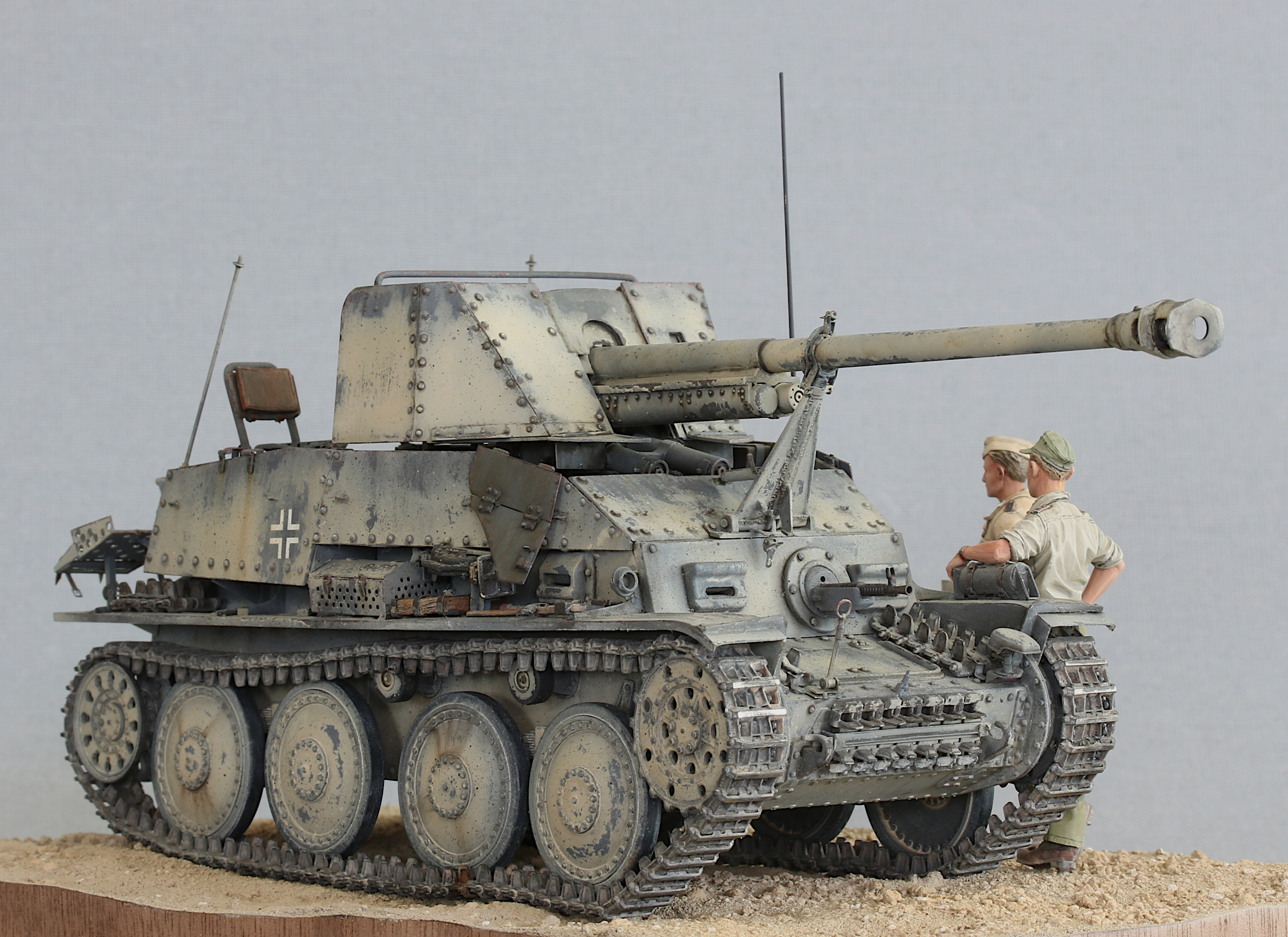
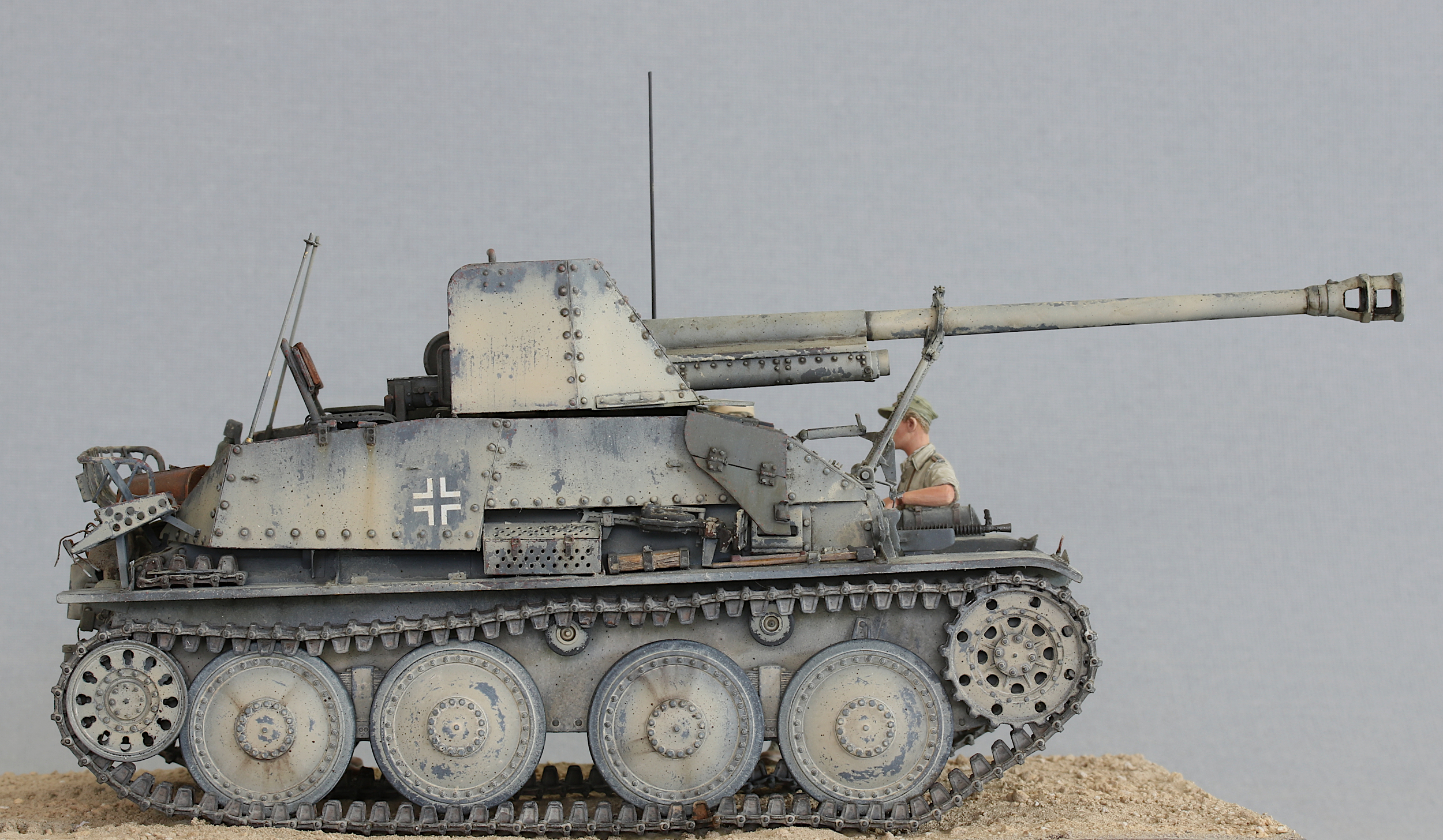
Building three different Marders in parallel, I now also finished the Marder III M with the German 75mm PaK and the chassis of the Panzer 38(t) specially adapted for self propelled guns. The kit is from Tamiya, with Aber PE added. I also added three injection moulded figures from Miniart.

One issue with all the kits of the different Marders is the thickness of the side walls. The real ones were quite thin, only designed to protect from shrapnel and small arms’ fire, so the replicated walls are way too thick. There are some PE walls available, but I liked to preserve the nicely detailed outer side. So I cut the wall sections from the kit apart, and carefully sanded down the individual parts to scale thickness. One benefit of this is getting rid of sink marks, but all the interior detail has to be added back by either using PE parts or scratch building with styrene profils and nuts.

As the other Marder III builds, the process was greatly assisted by the respective volumes from the Nuts & Bolts publication series.

Marder III (Sd Kfz 139)

I spent the last months building three different Marder III Panzerjaeger, that are all now almost finished. The first build to show here is the Tamiya Marder III (Sd Kfz 139), which is the first interim solution tank hunter on the Panzer 38 (t) chassis, featuring a modified Russian 7.62 mm field gun as main weapon.

I added an interior from Royal Model, as I wanted the hatches to be opened, and also quite some details from the interior are still visible through the gun mount. I also used a barrel and two PE sets from Aber. For the base, I added one Alpine DAK tanker, together with two Panzer Art figures.

Overall, I enjoyed the build very much, also it is fun to have a rather busy model in the end, with all the interior of the fighting compartment being visible. But putting it all together takes quite a while, with intermitting steps of building, painting, building again and frequent touch ups.

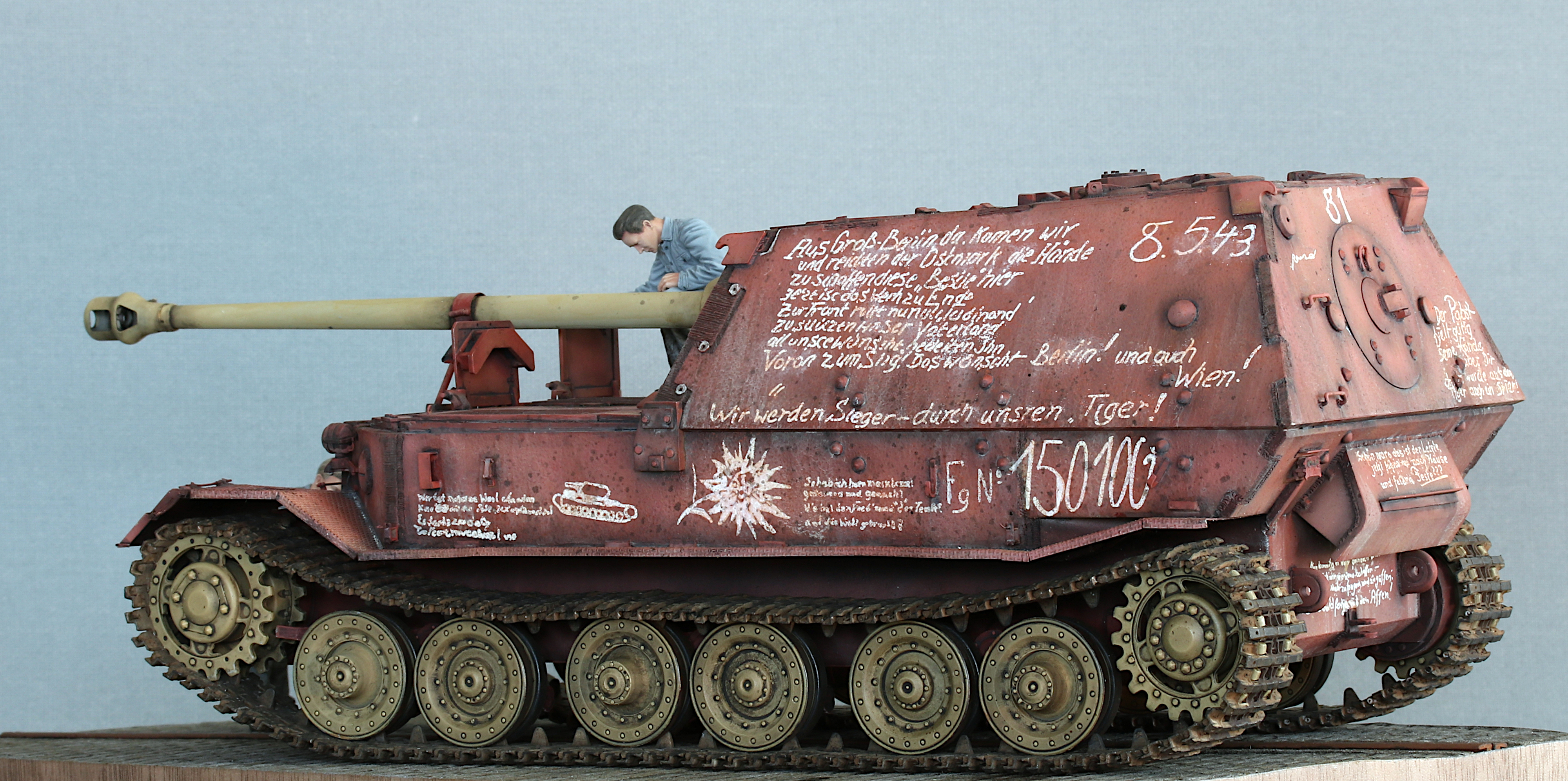
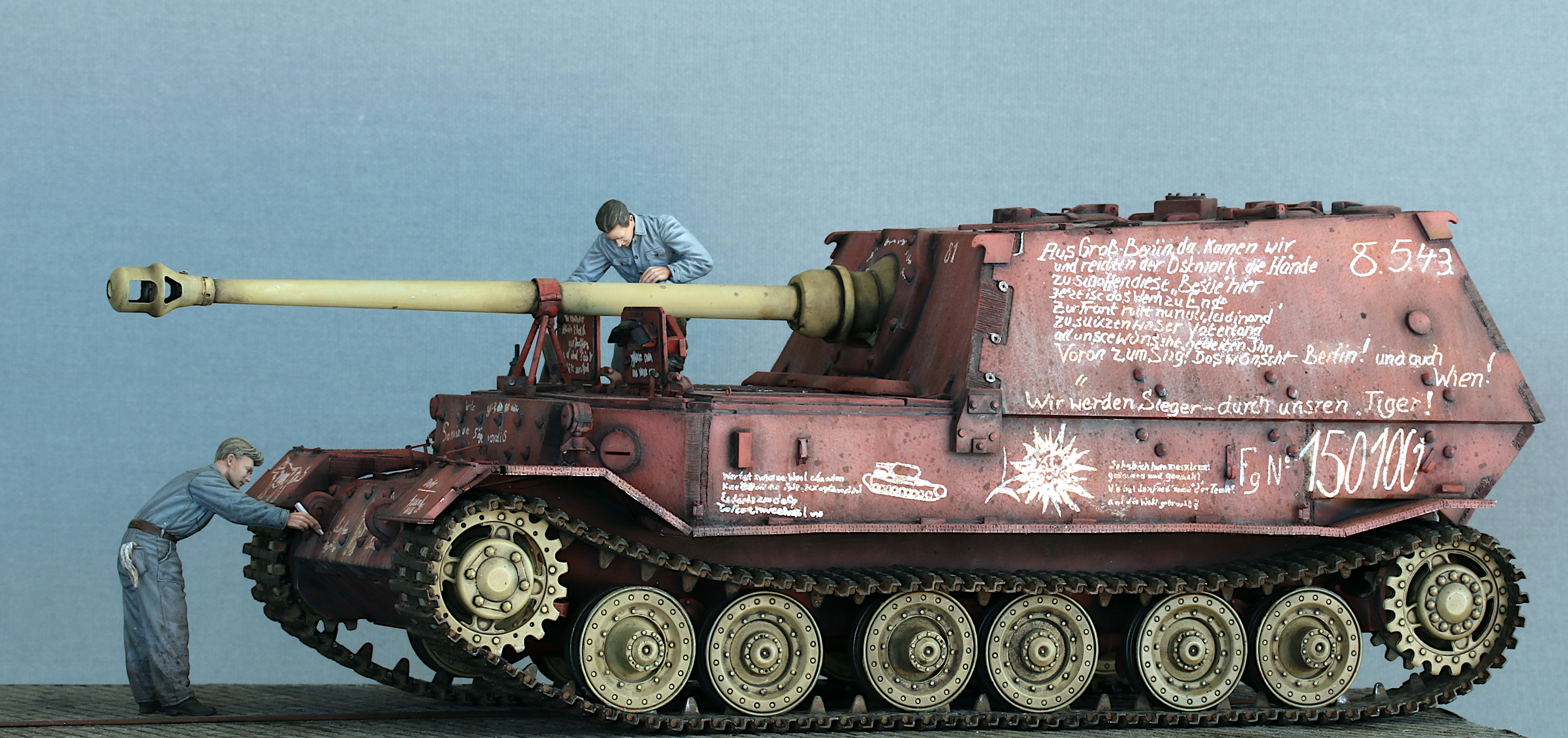
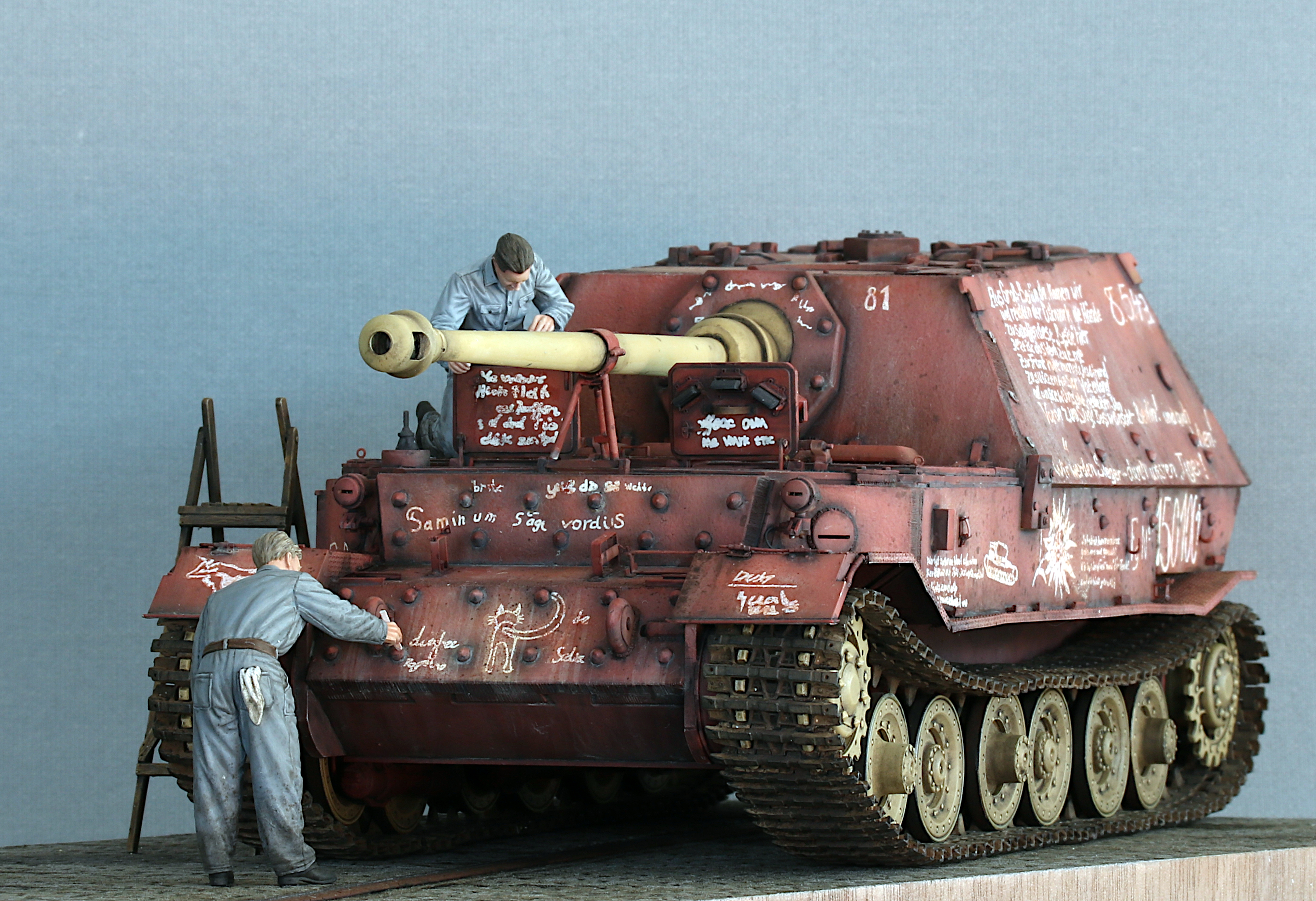
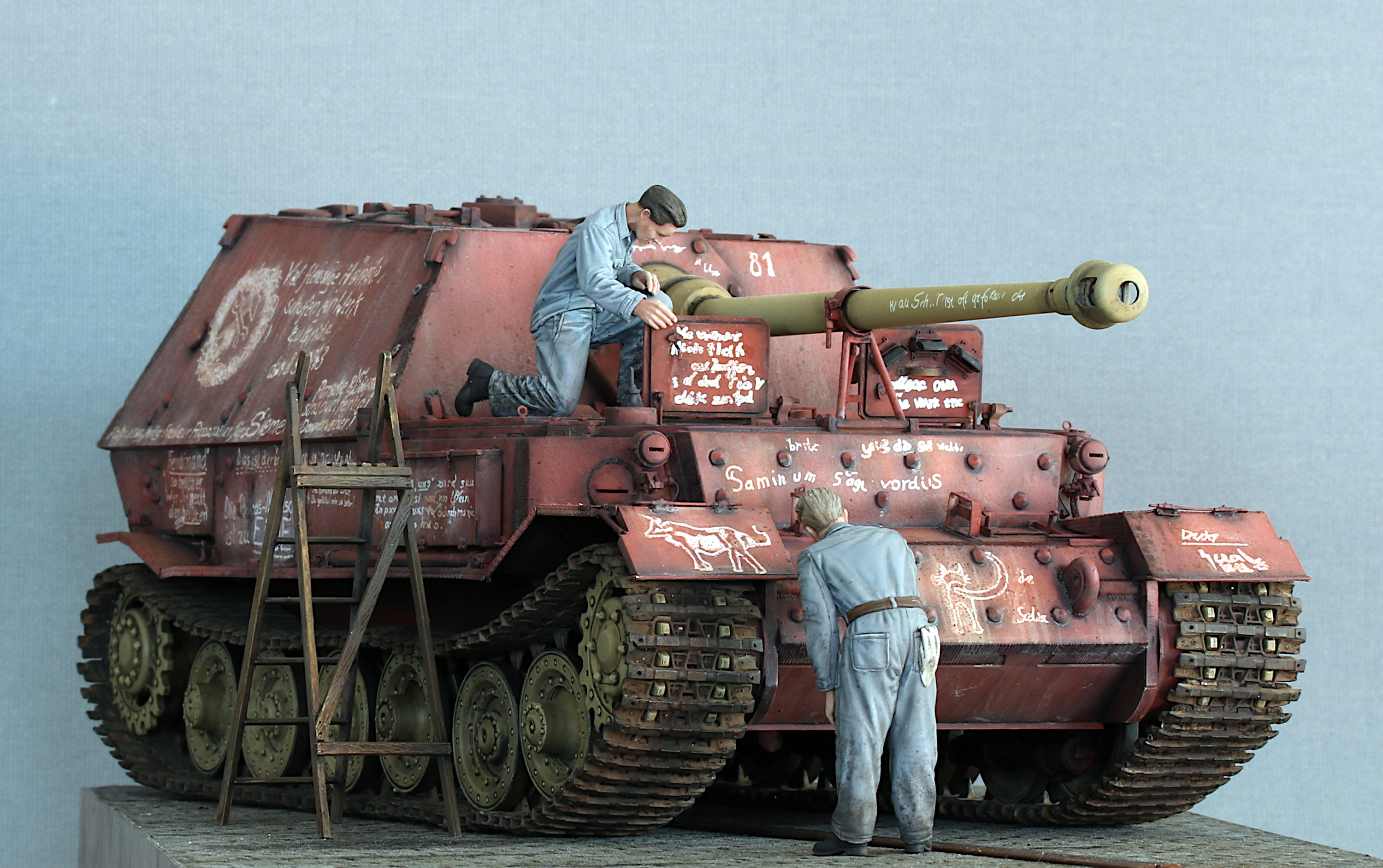
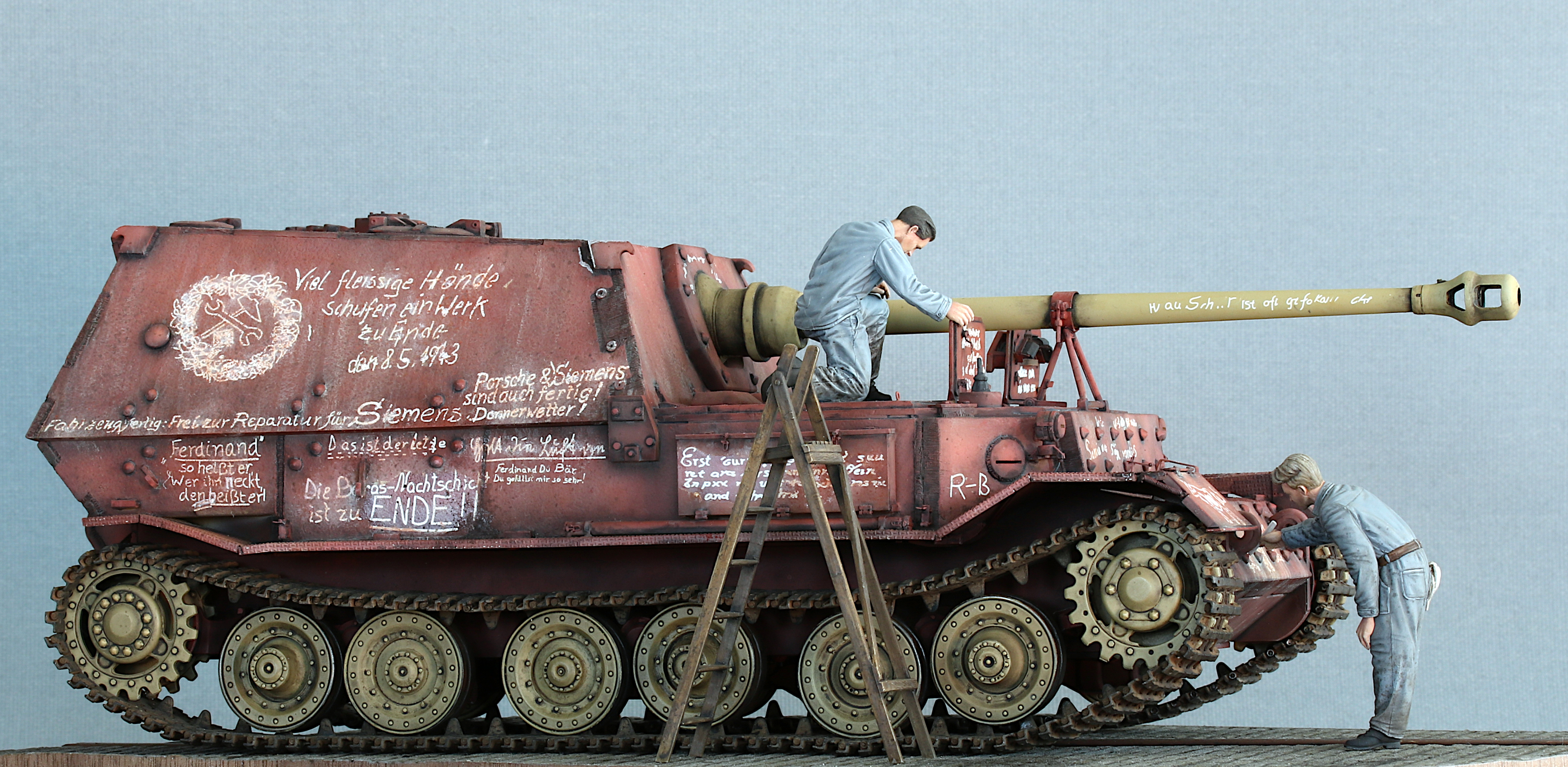
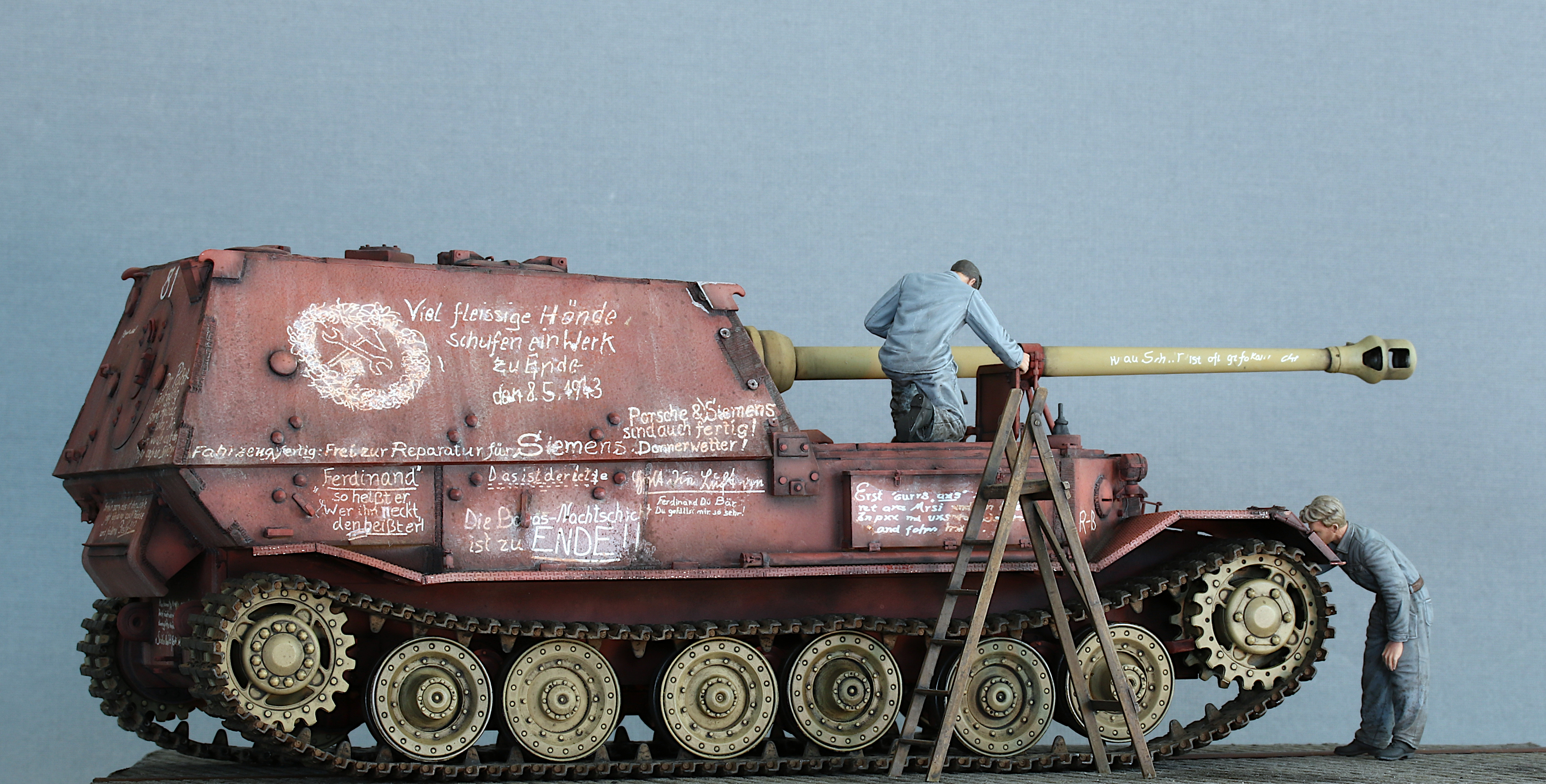
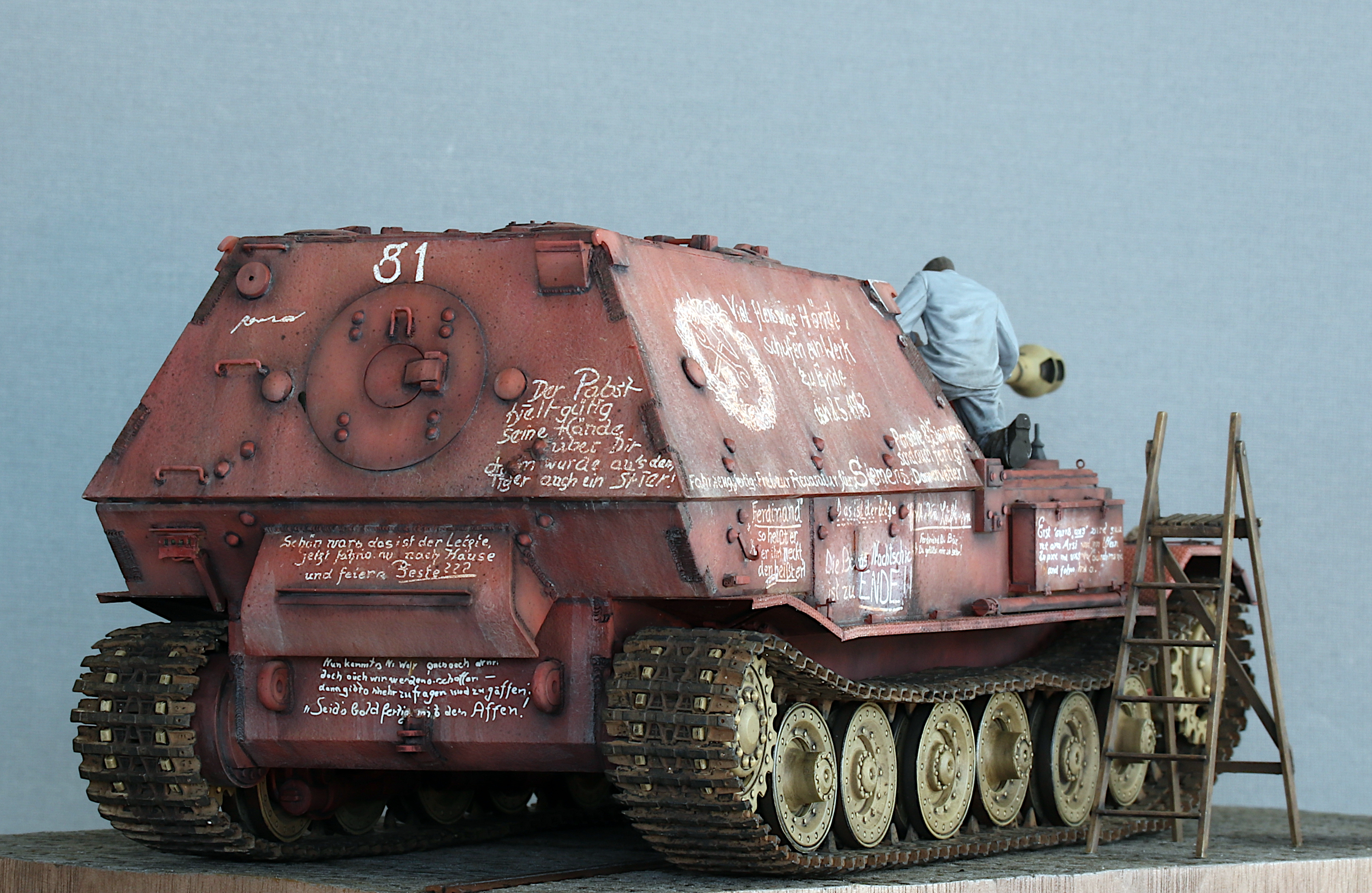
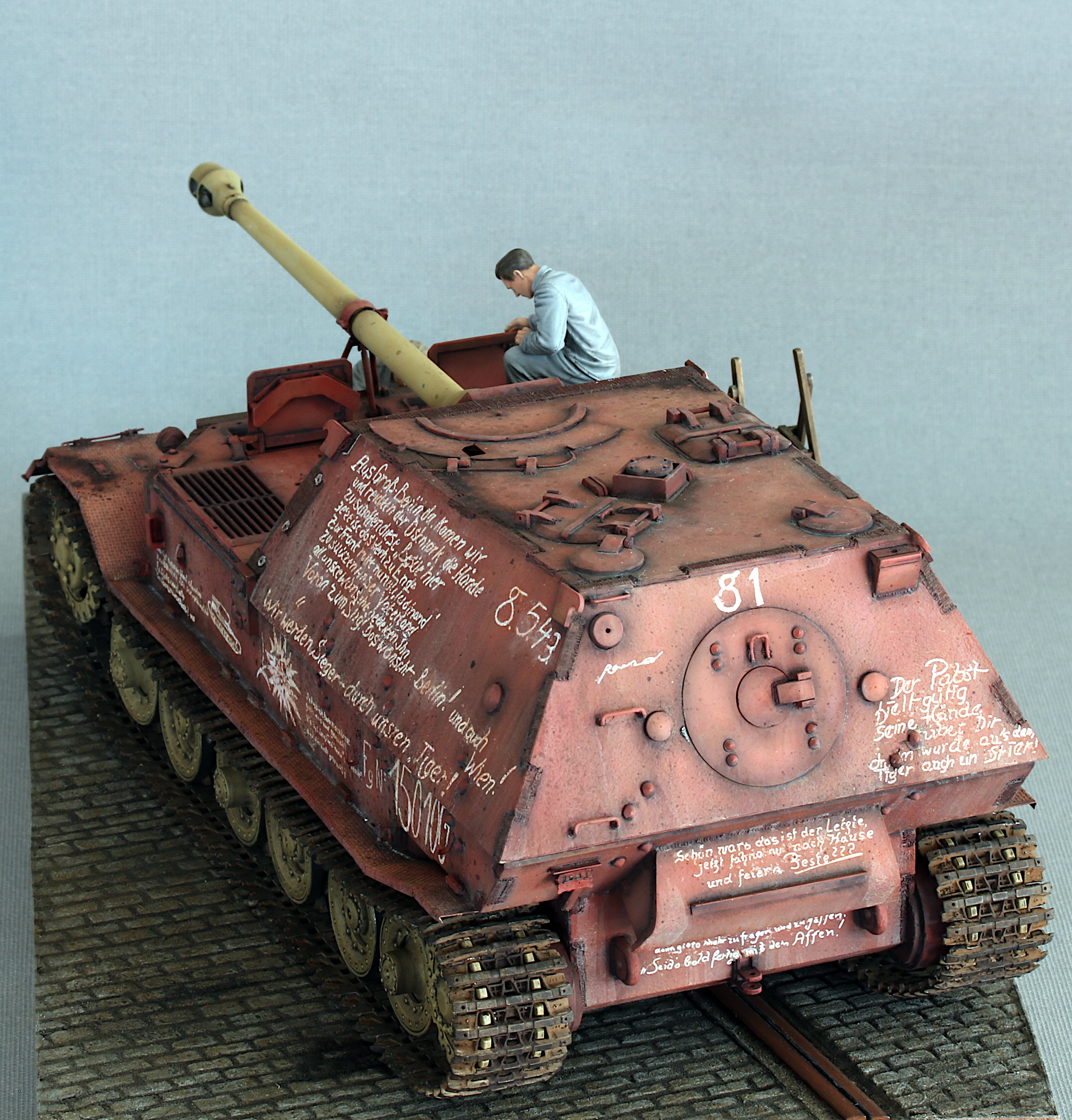
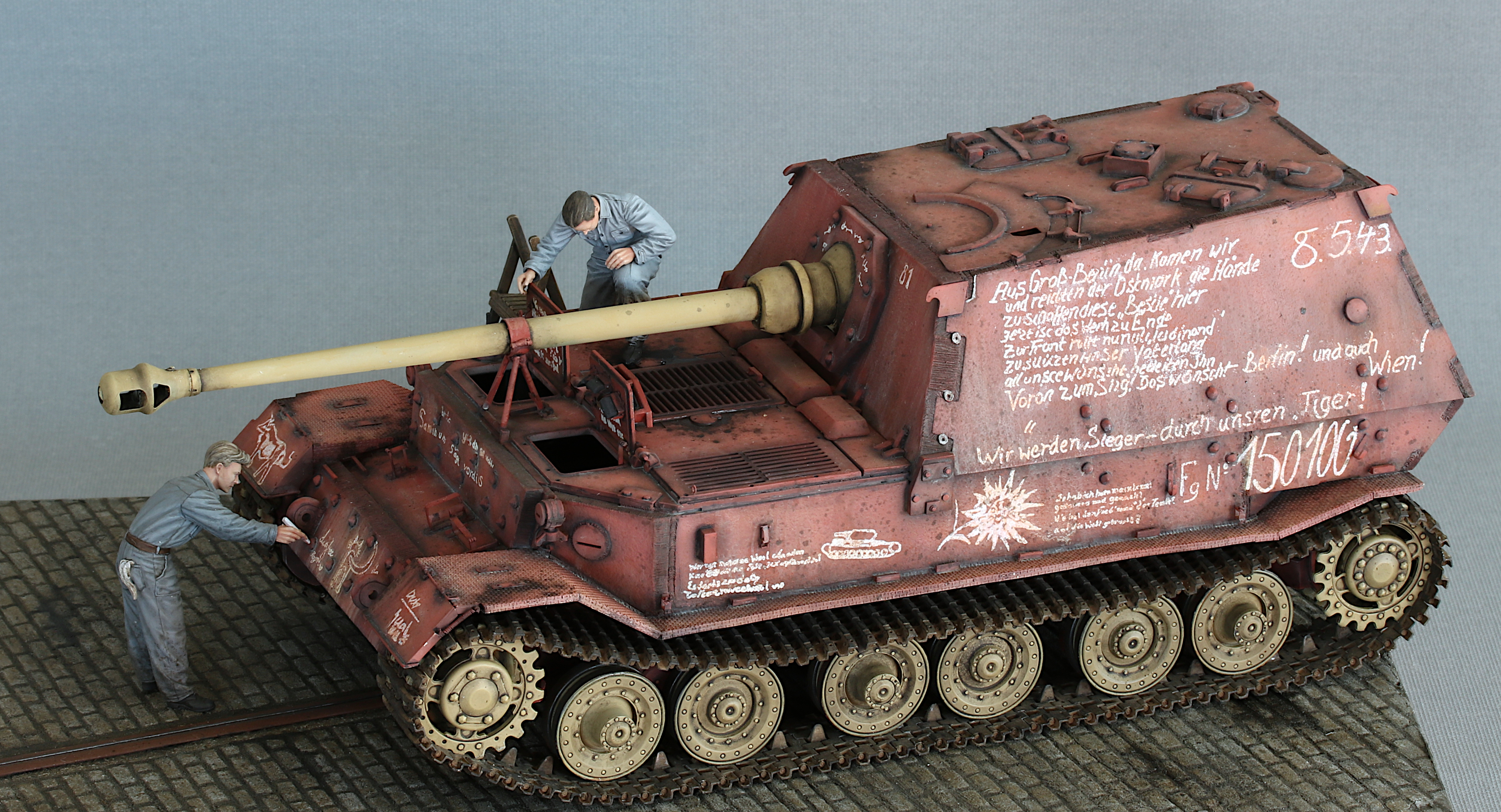
Last Ferdinand Jagdpanzer

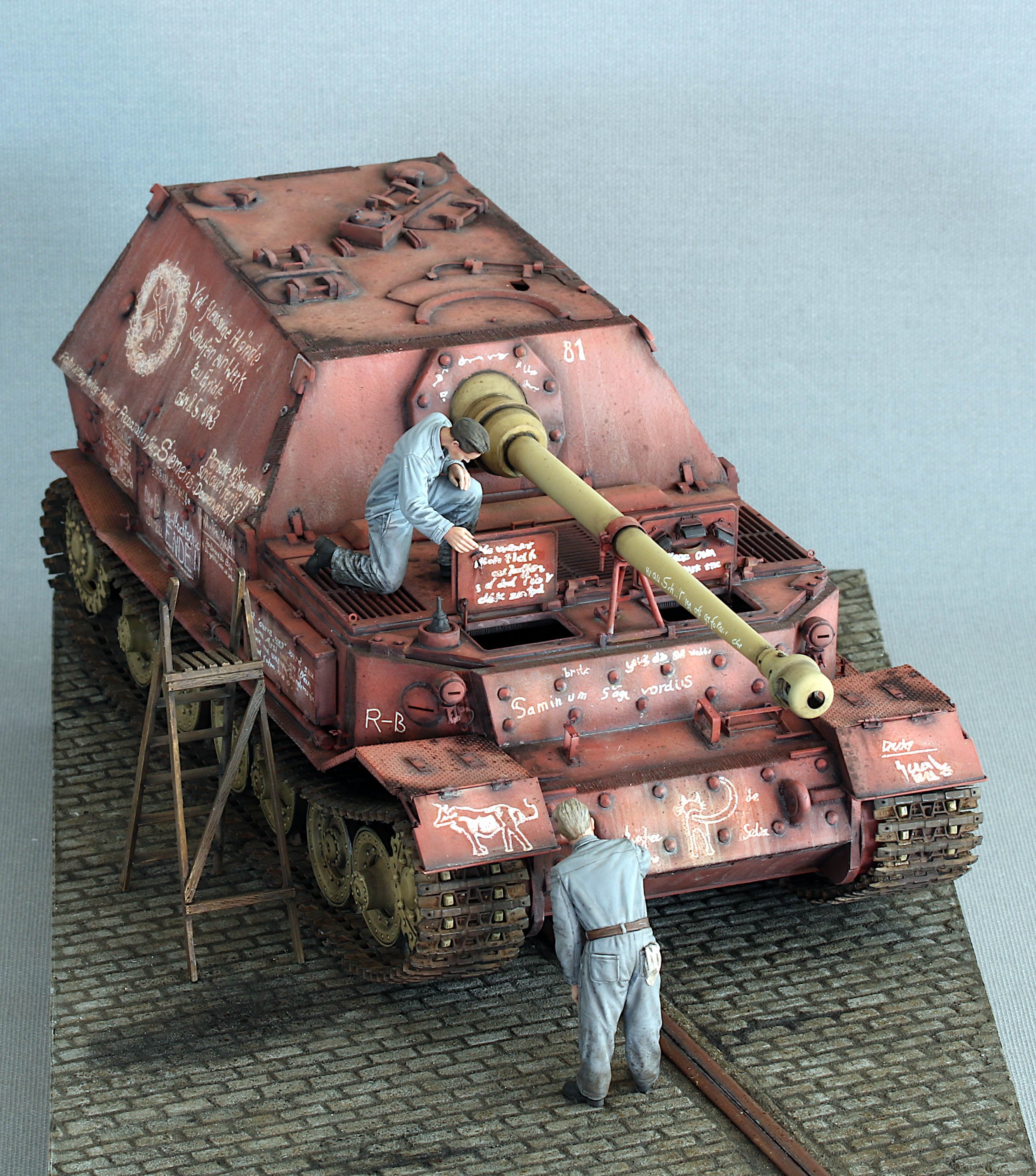
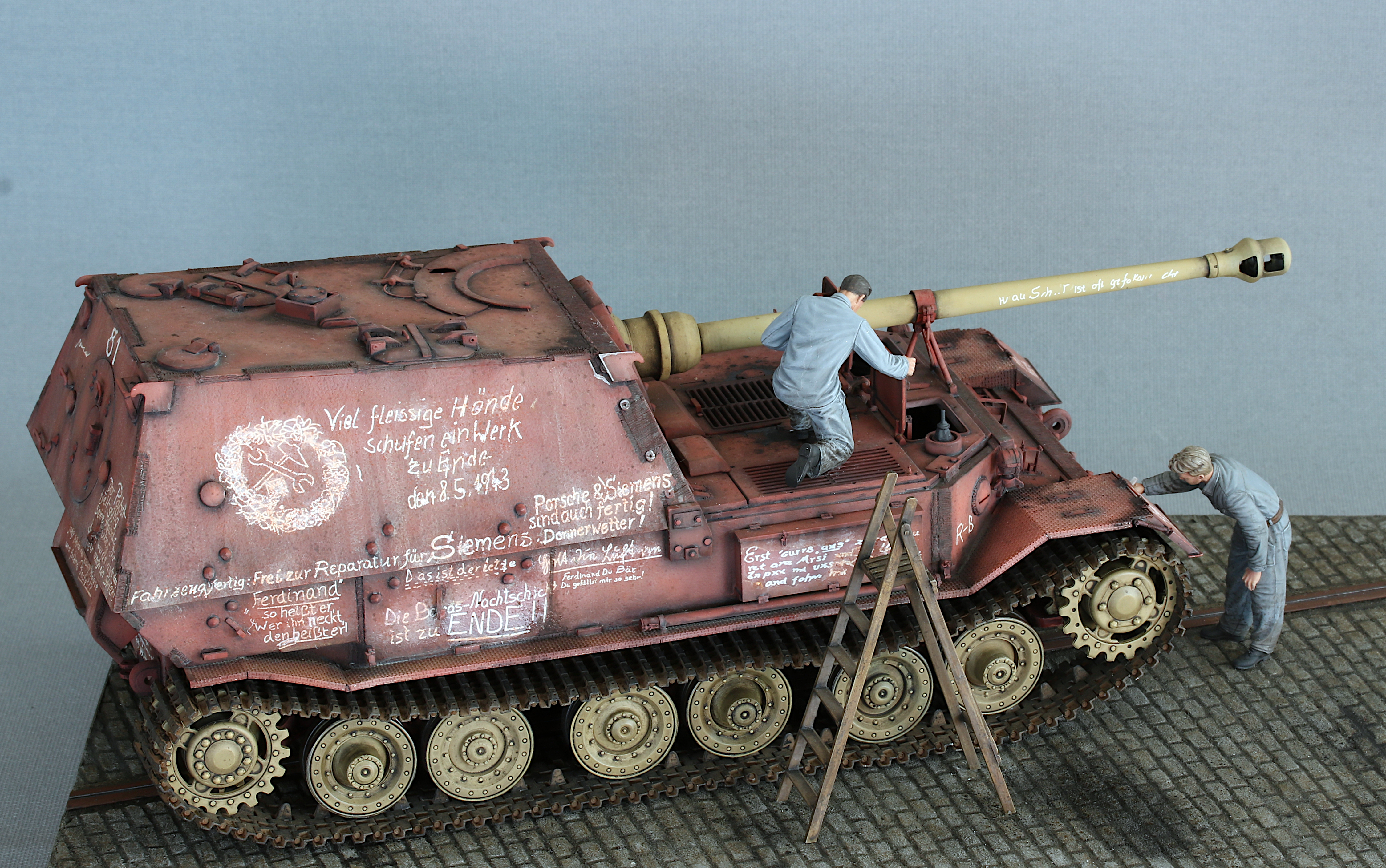
I found a recent project on Youtube from Nightshift Modelling quite inspiring, depicting the famous last Ferdinand tank hunter being manufactured by the Nibelungenwerke factory in May 1943. So I bought myself the Amusing Hobby kit, together with some Aber PE, Friul tracks and two figures from Royal Model.
It was a very enjoyful build, being very different from the usual tanks. I put the finished model on a simple base made from Styrofoam.

Elefant in Italy

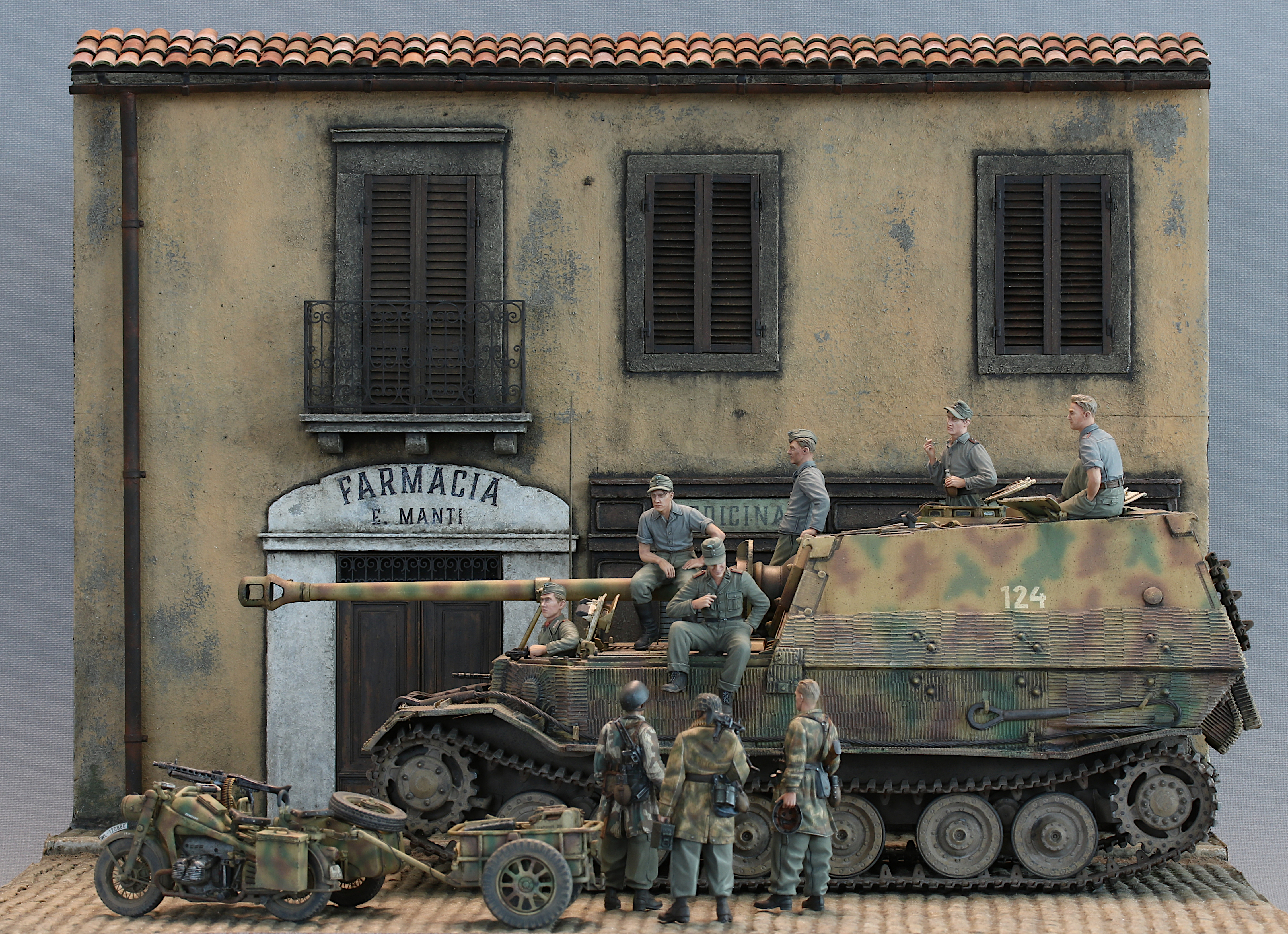
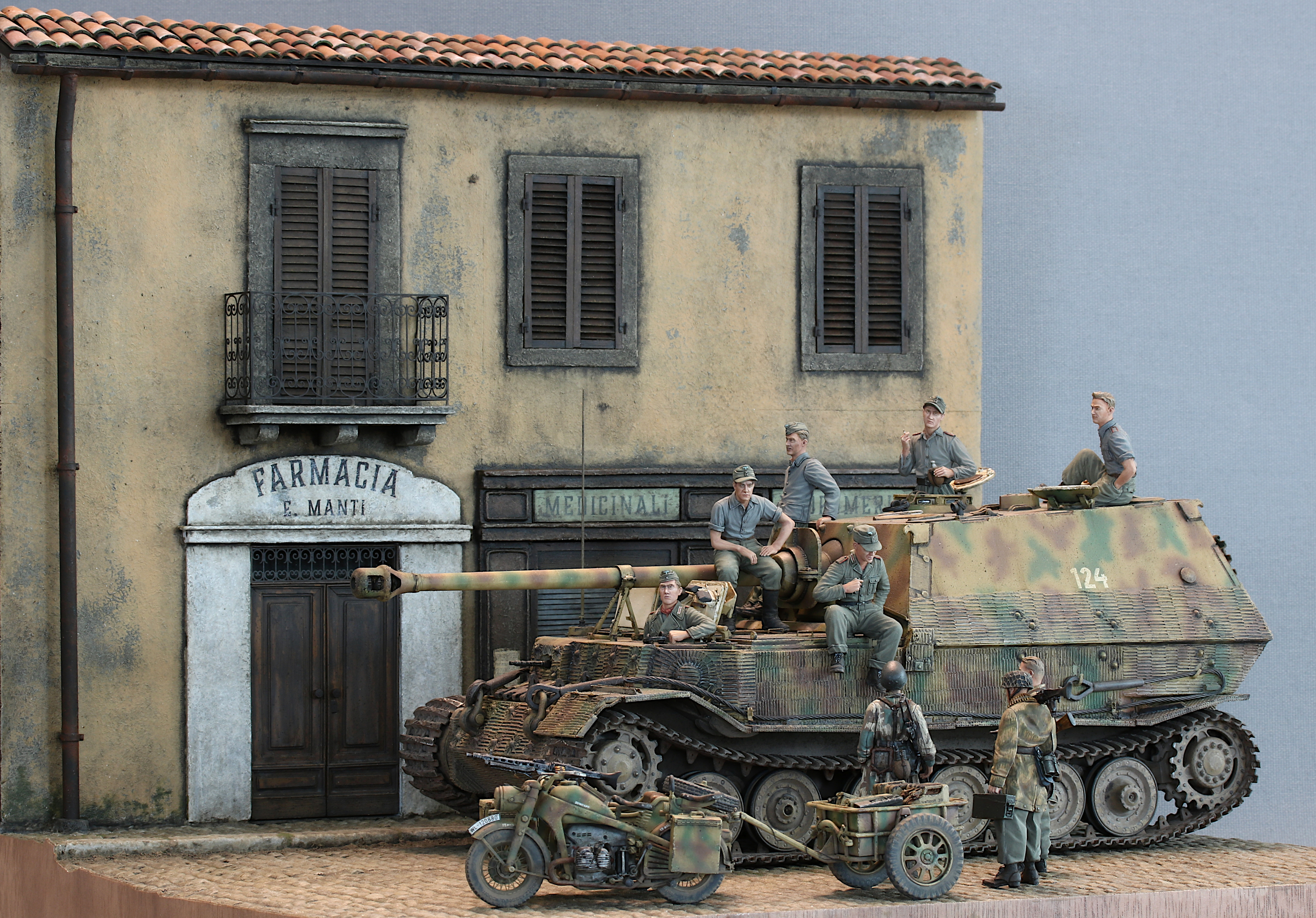
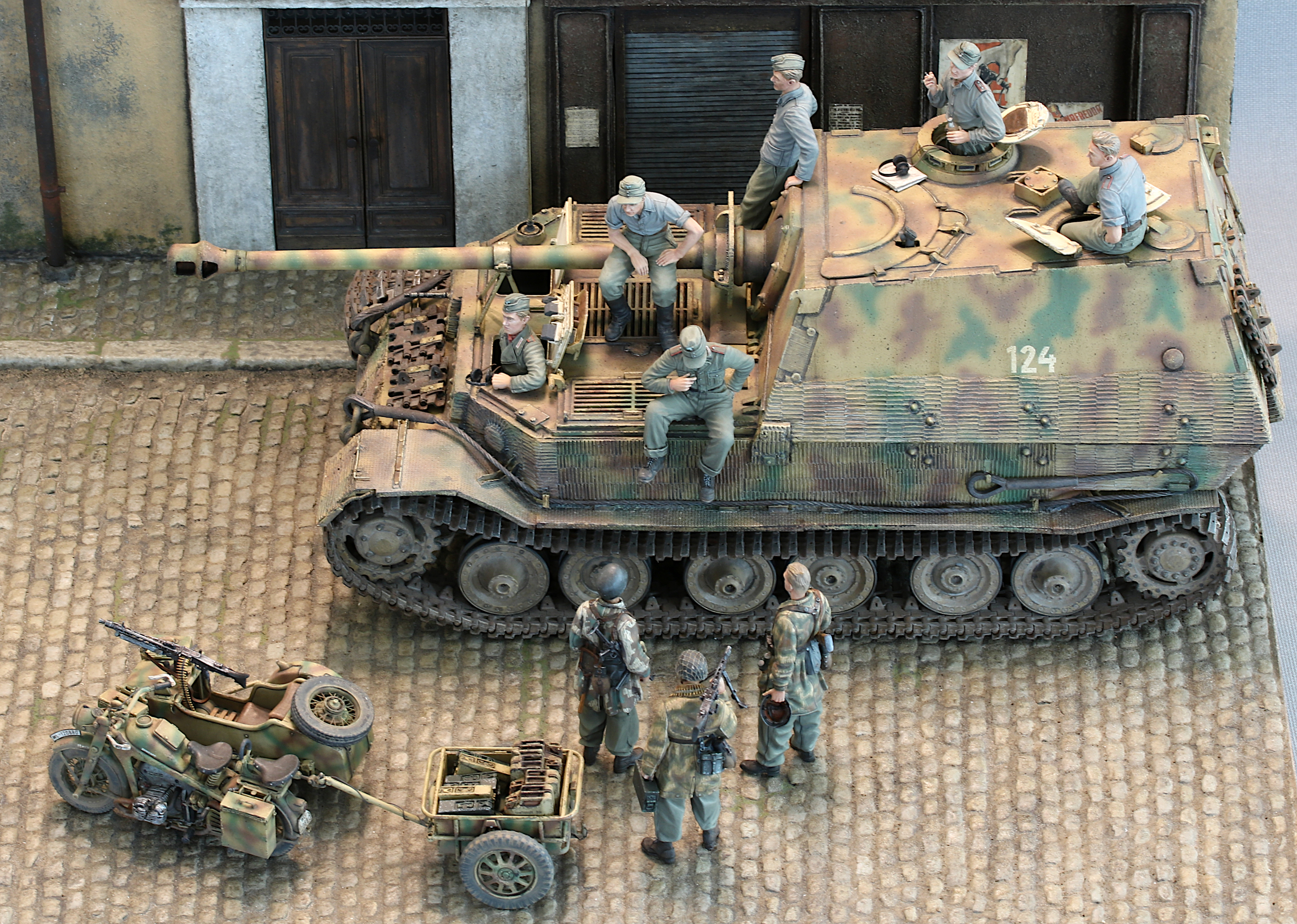
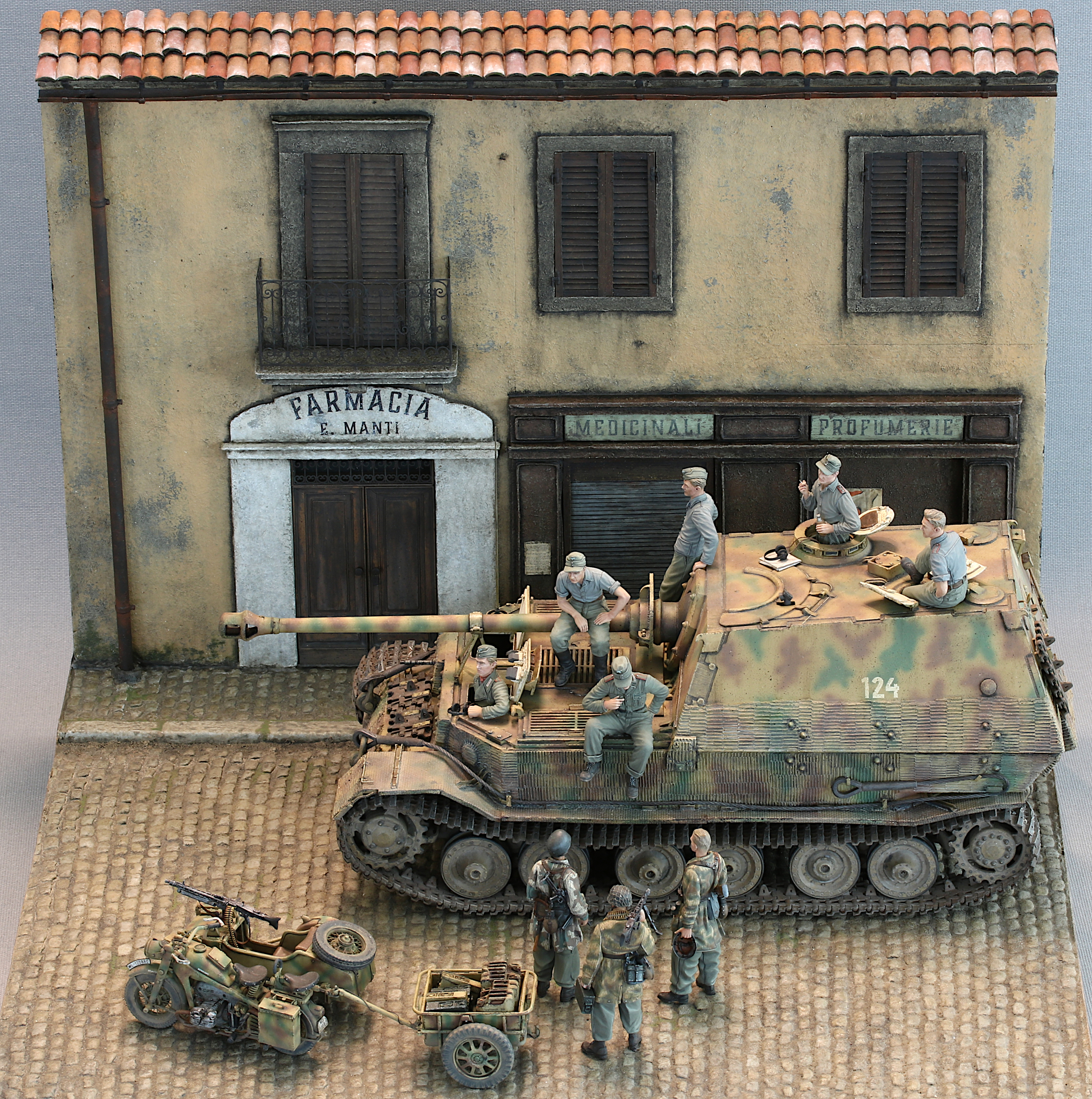
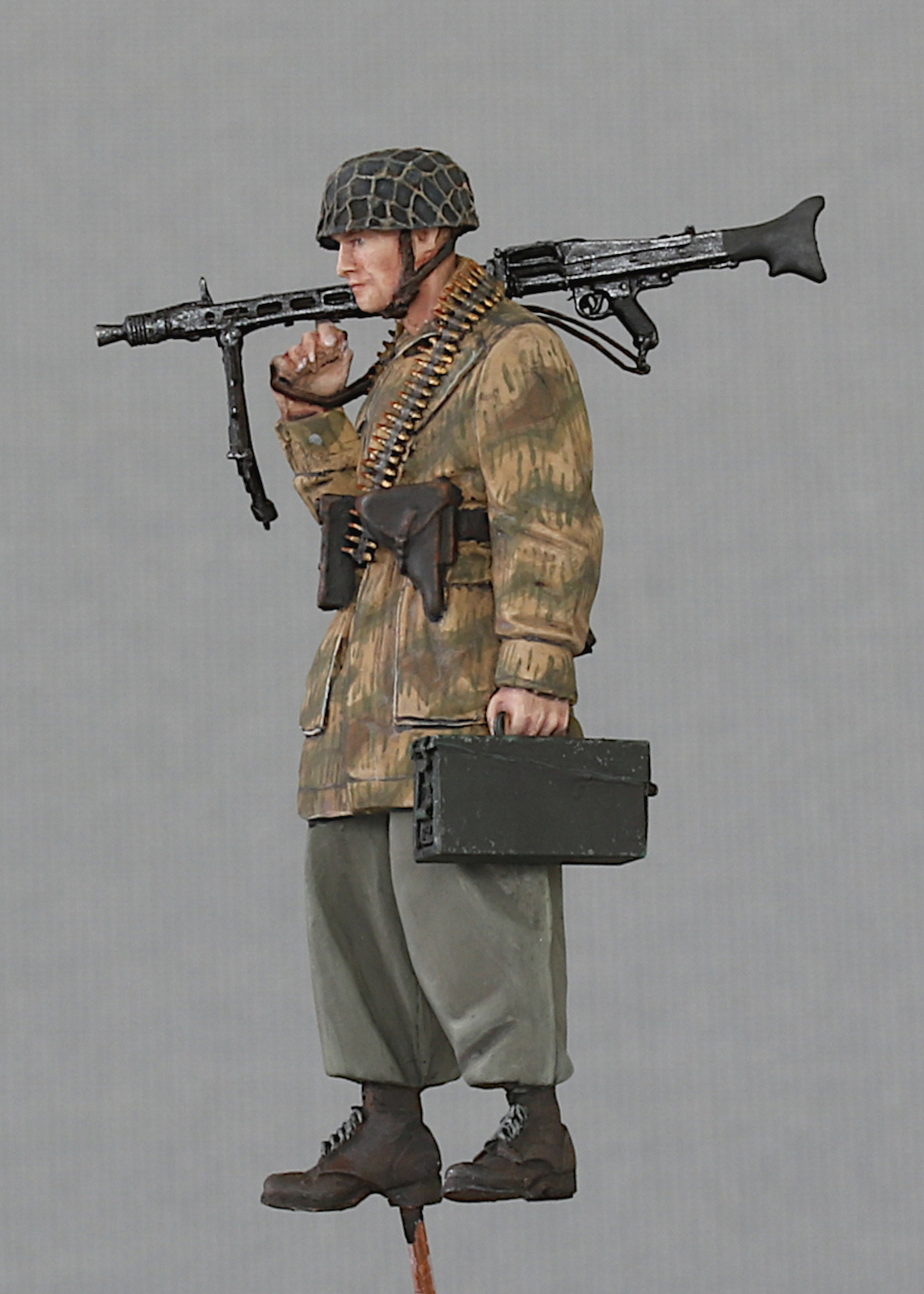
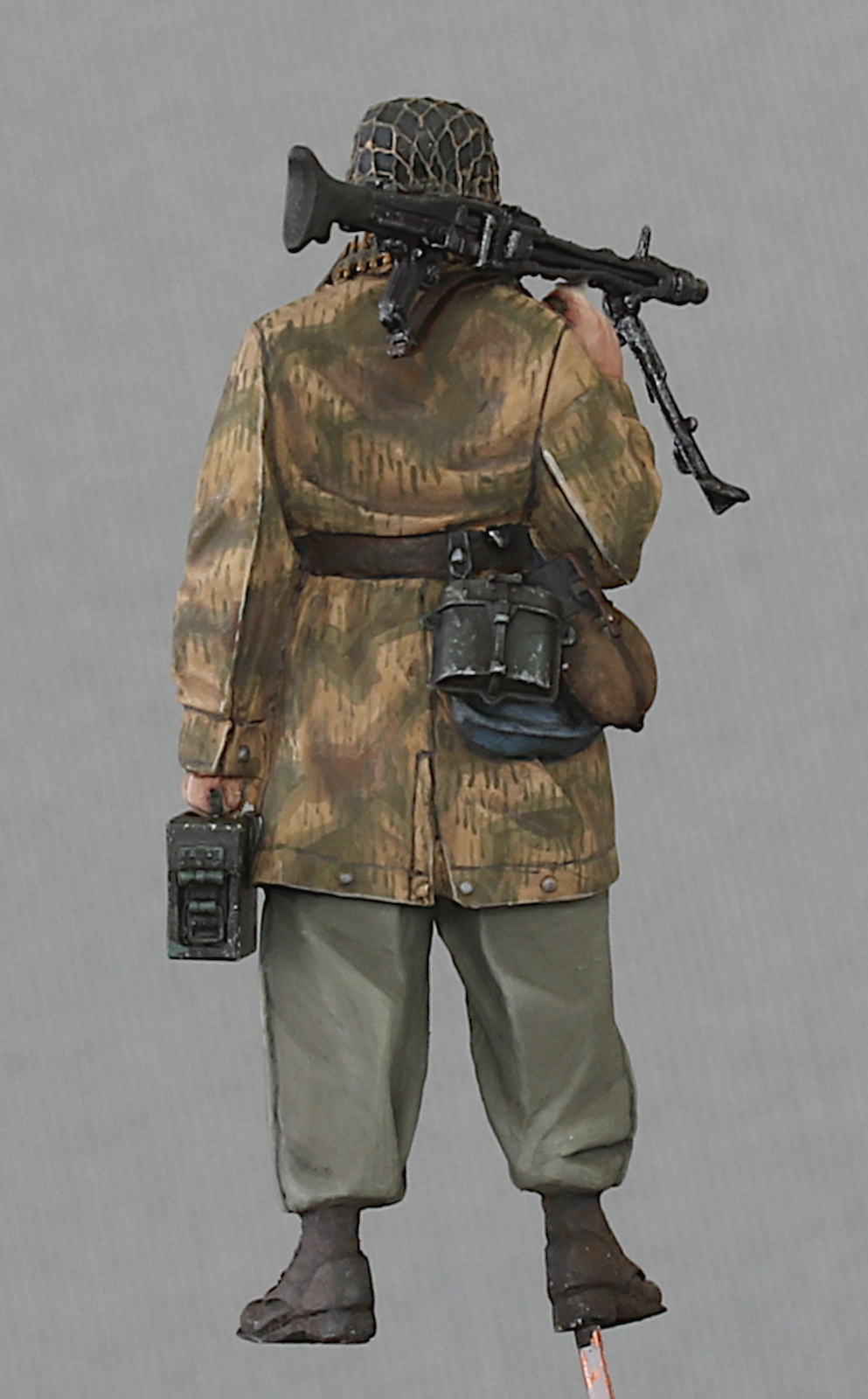
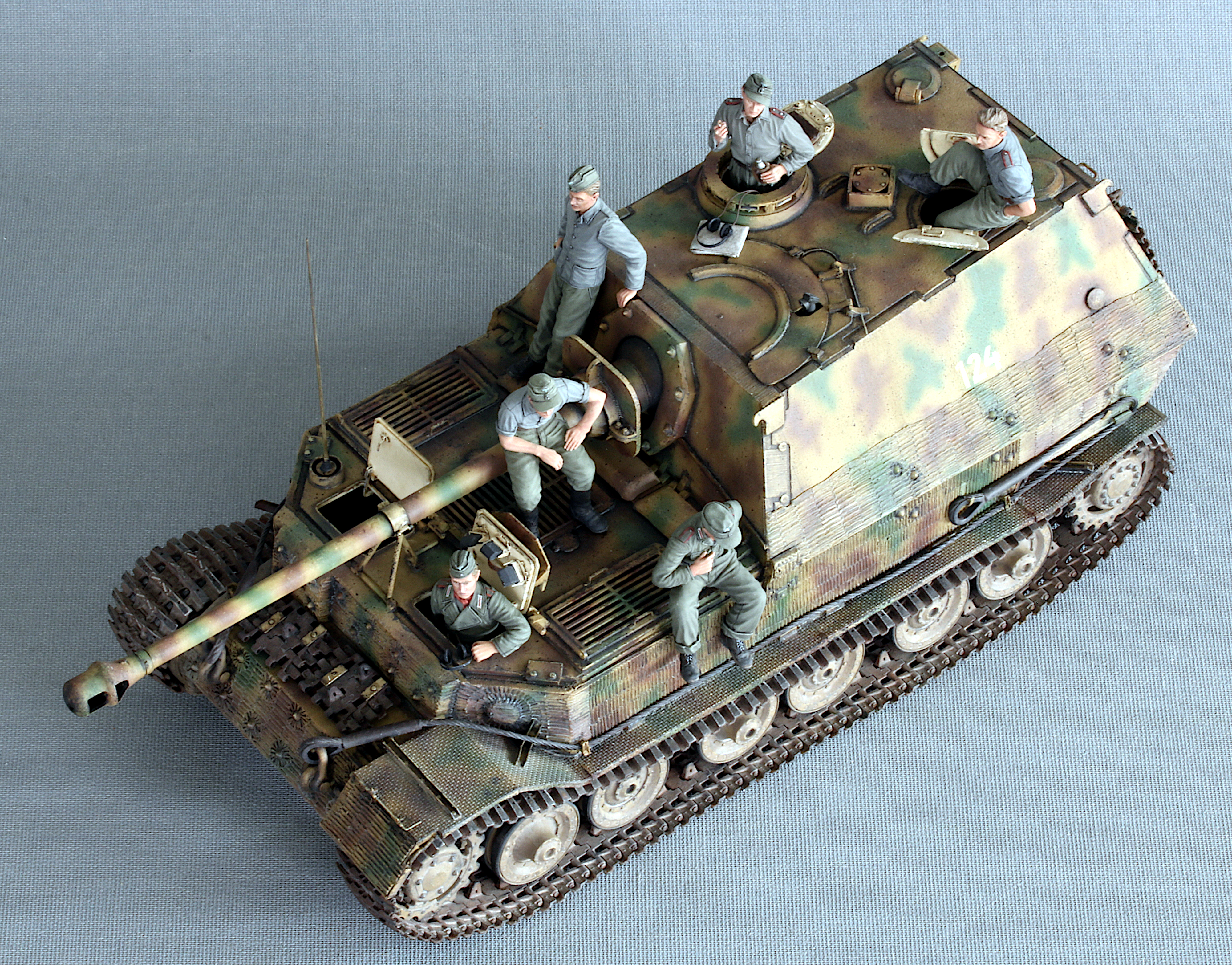
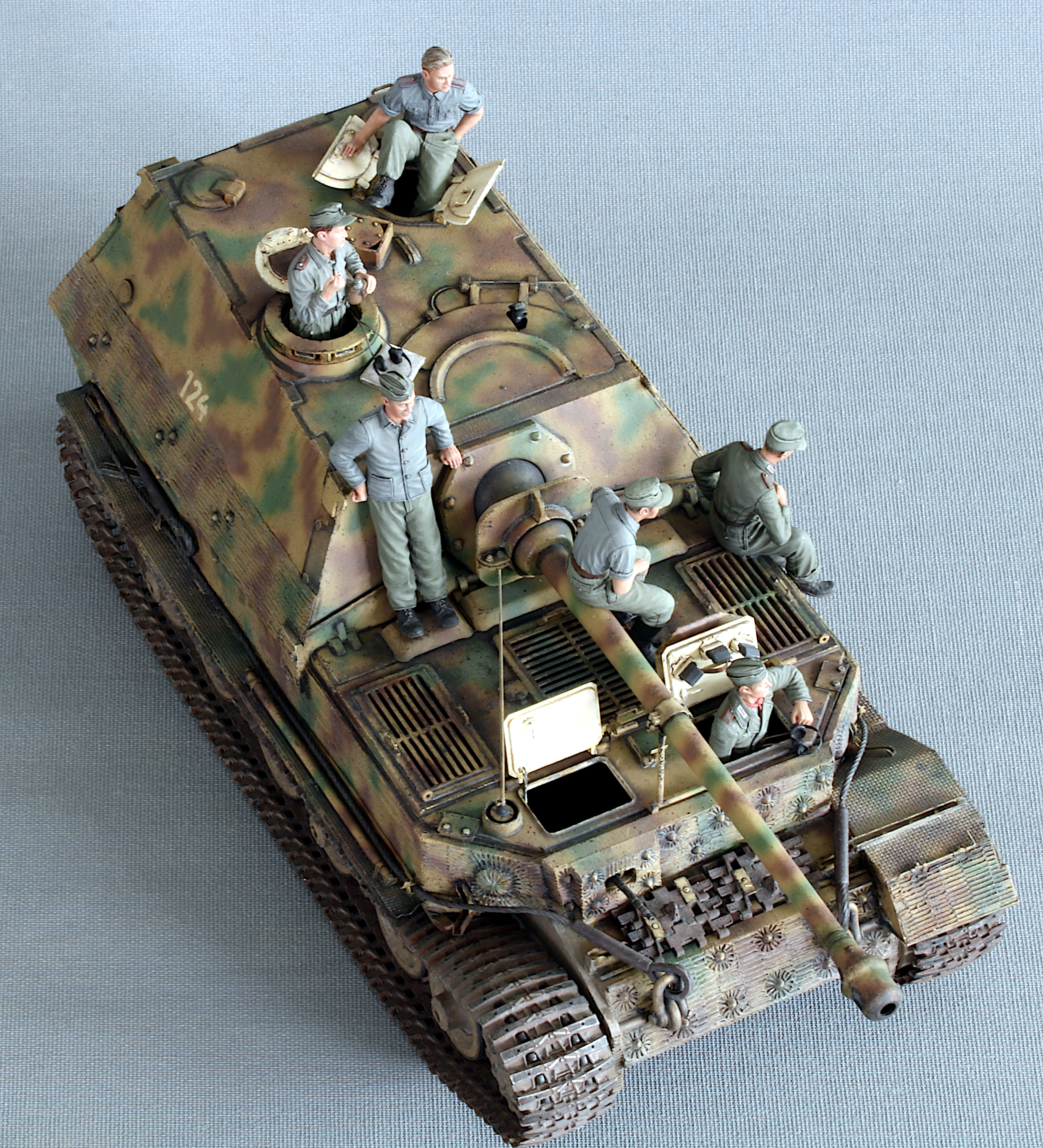
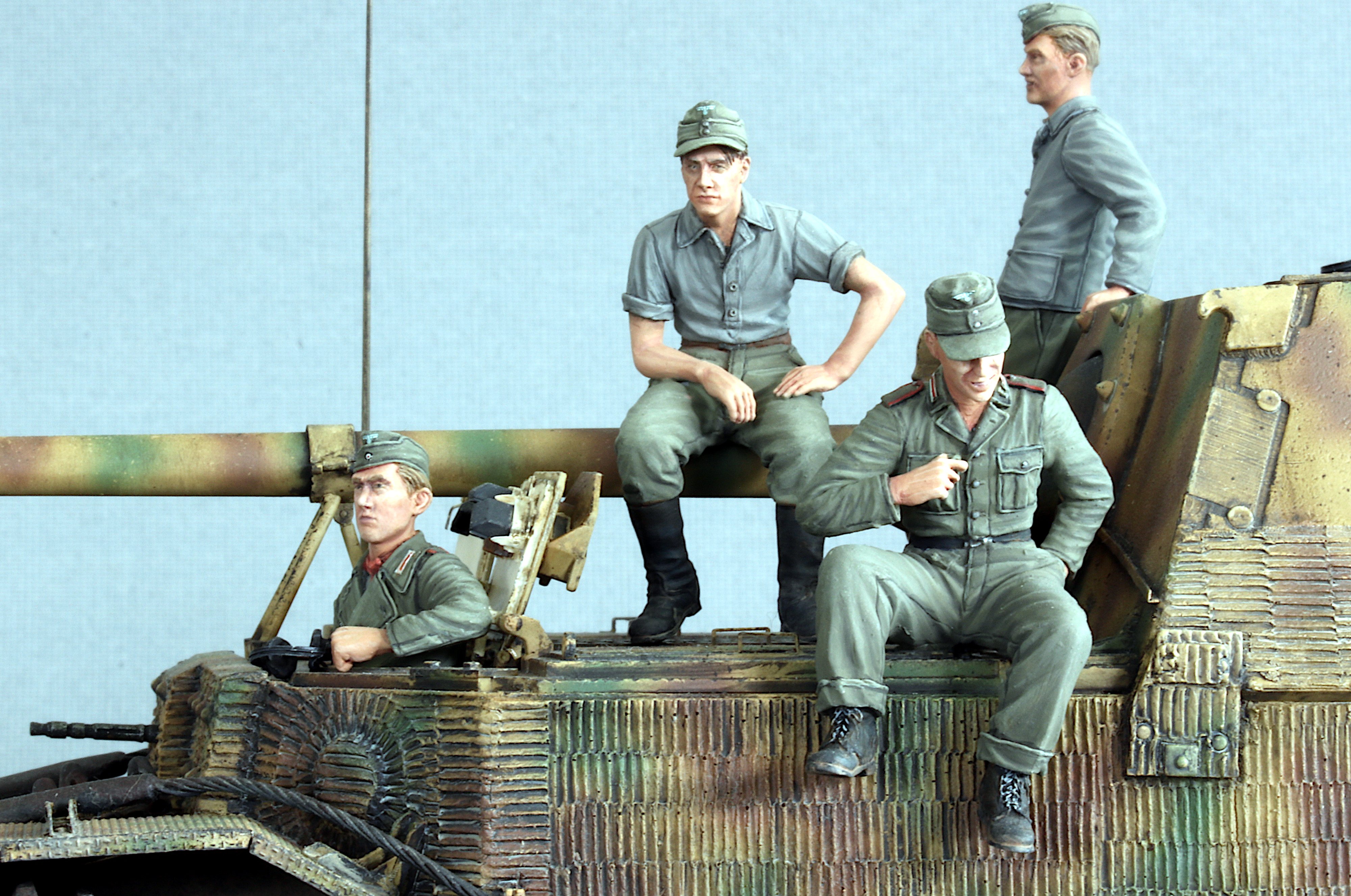
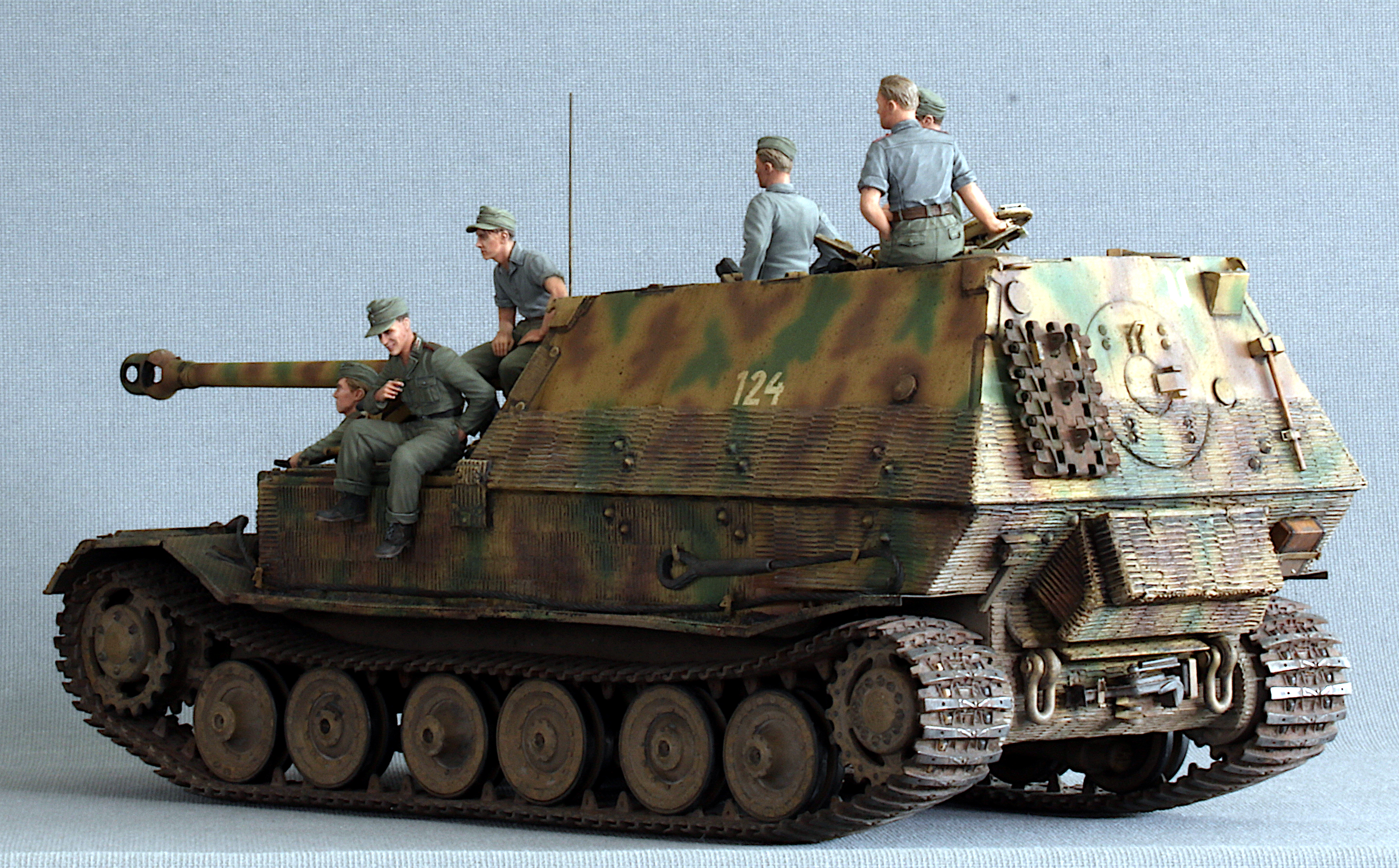
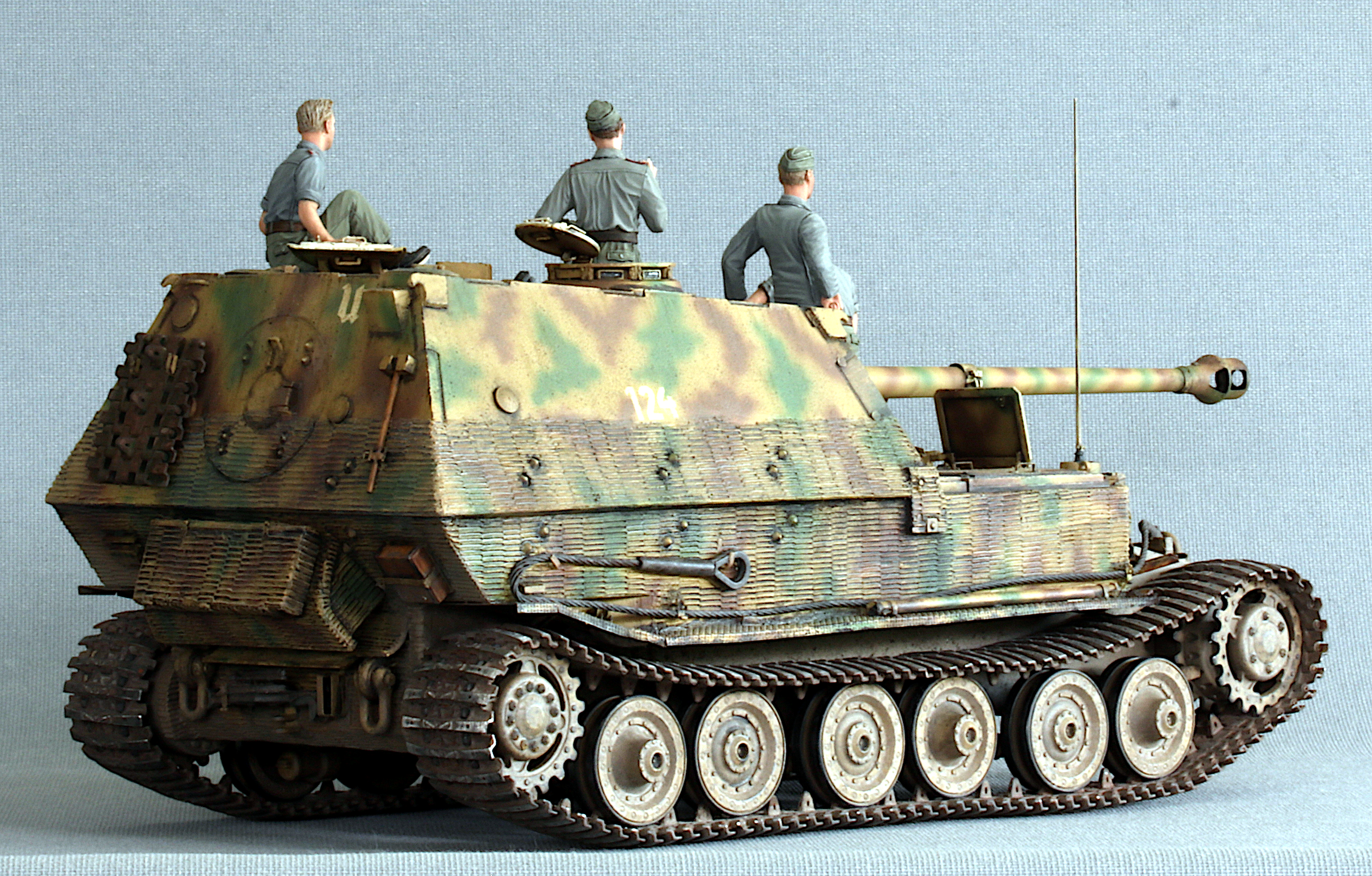
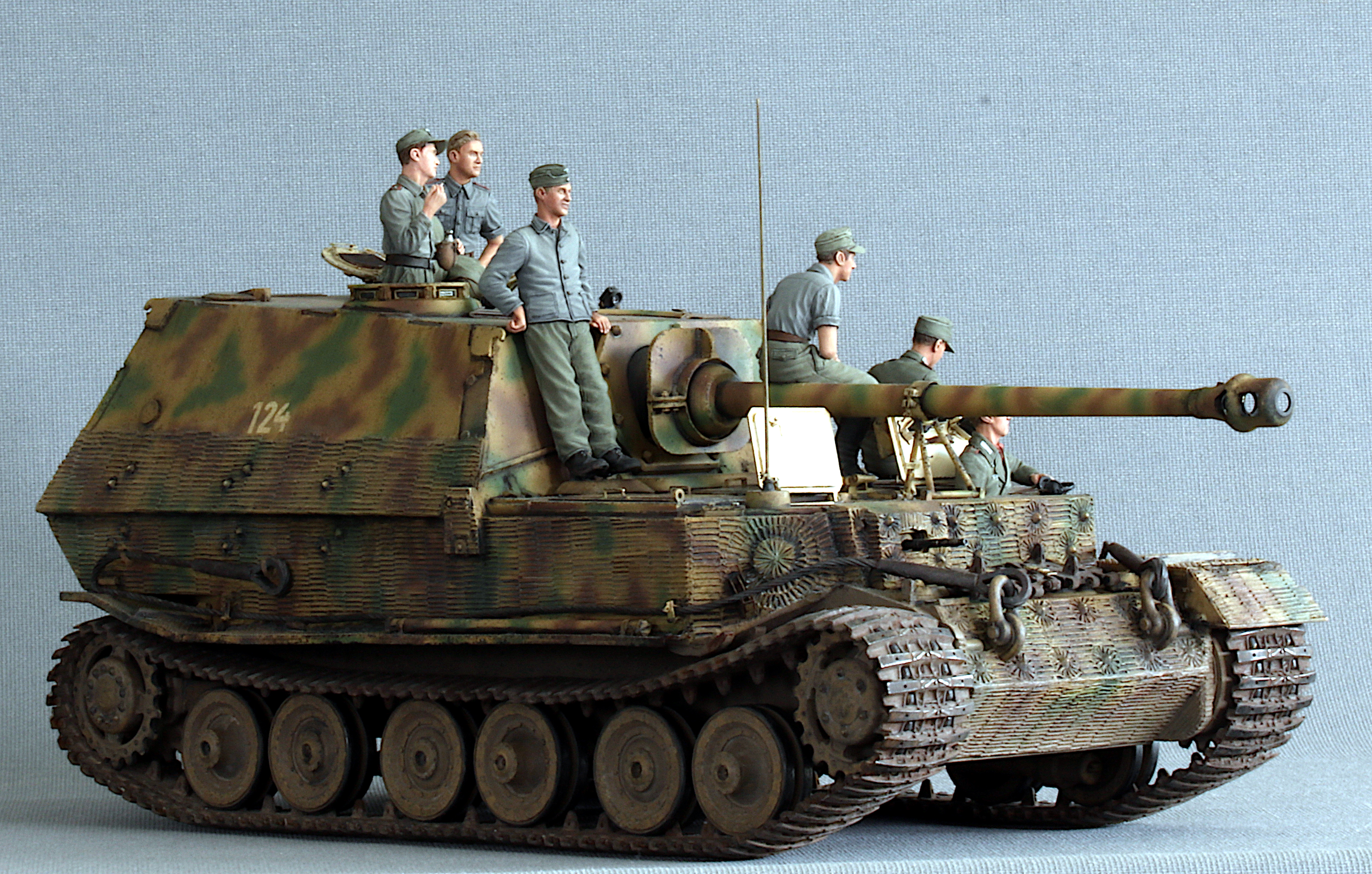
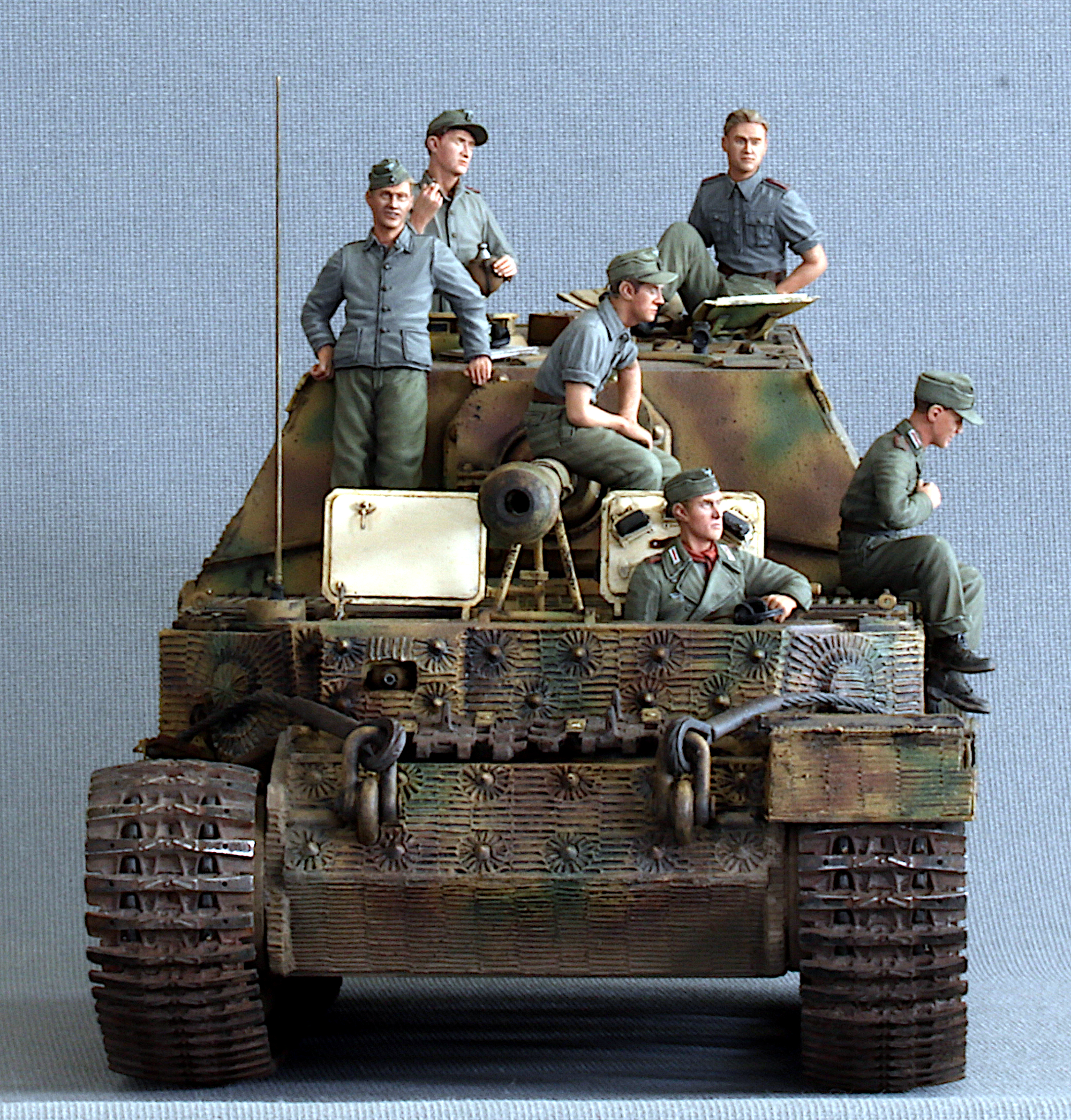
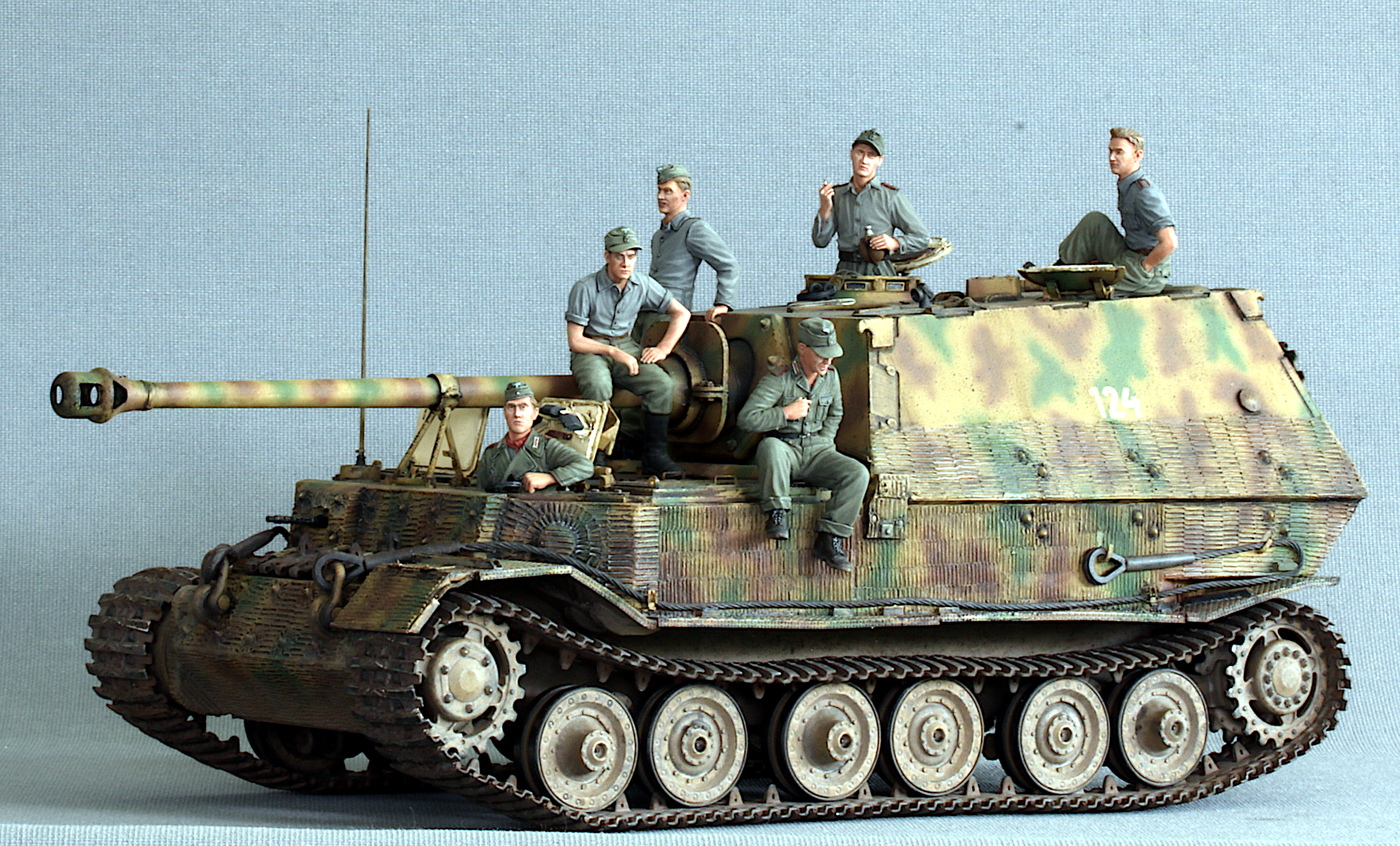
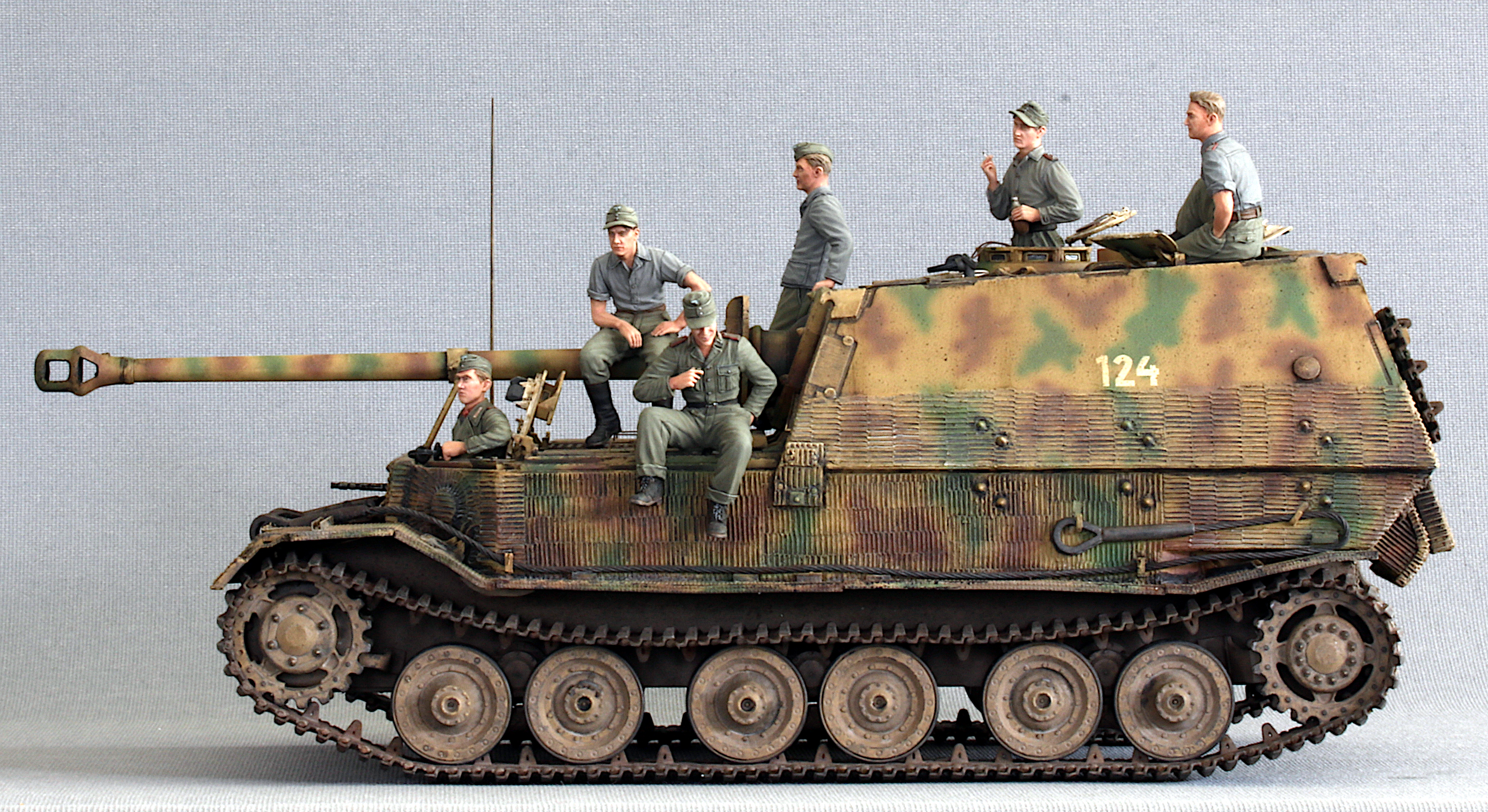
I now almost finished another subject that took quite some time. Last year, I built an Elefant, the slightly converted Ferdinand (Sd Kfz 184), which was constructed using the Porsche Tiger chassis. The tank depicted was issued to the first company of Schwere Panzerjägerabteilung 653, which was sent to Italy in February 1944. The specific vehicle chosen was 124, which was left behind destroyed in the village of Soriano Nell Chimino in July 1944.

The tank was built using the Tamiya Elefant kit, with the large Aber upgrade set. I also added the Ferdinand/Elefant crew from Royal Model, which comes in two different sets.

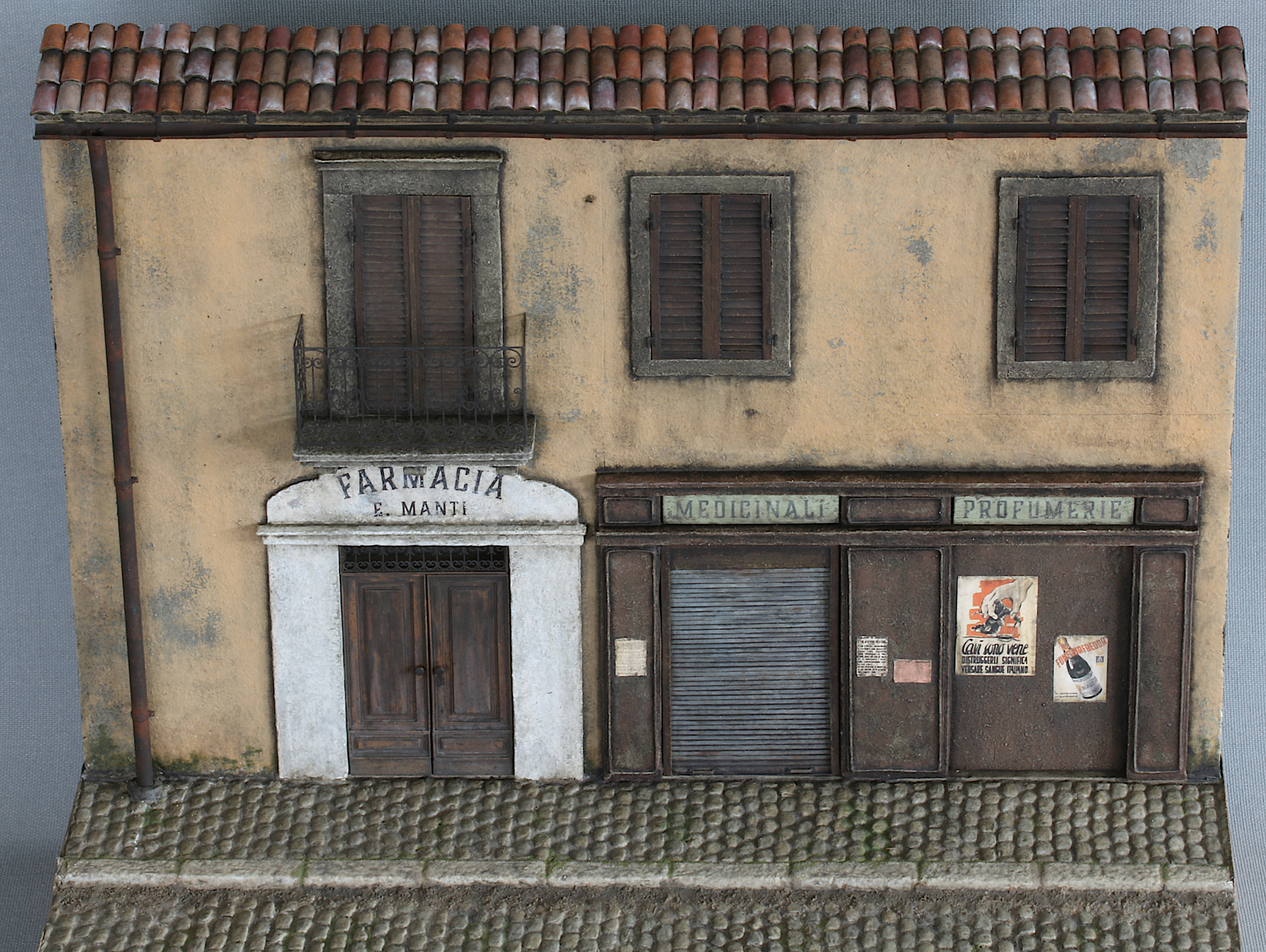
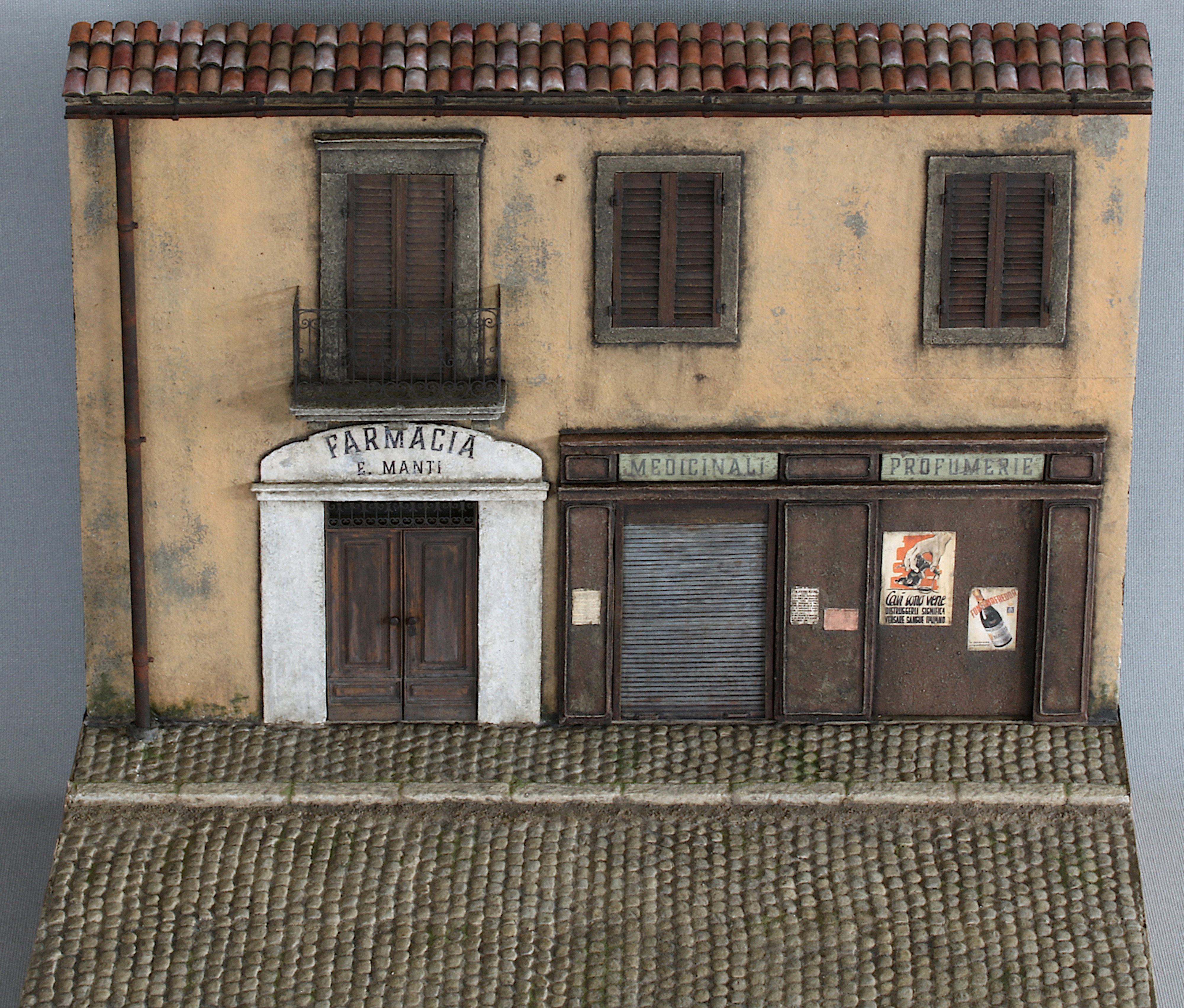
I made the base from Styrofoam, with a façade of an Italian pharmacy in the back, that was inspired from the original pictures.

Panzerjaeger Marder I (Sd Kfz 135)

Another tank hunter (although technically more a motorized anti-tank gun) that I built is the Marder I, featuring a 75mm Pak 40 on a french chassis, built on the base of the Tracteur Blindé 37L (Lorraine), a French artillery tractor/armoured personnel carrier of which the Germans had acquired more than three hundred after the Fall of France in 1940.

The vehicle is one of the examples of using outdated chassis as a means to provide mobility to anti-tank guns until proper tank hunters were available. The Lorraine chassis was quite small, so a somewhat bulky looking superstructure was added, that only provided some protection against small arms.

The kit is from Tamiya, and while is has stunning details, it also shows some shortcomings. I think one aim of Tamiya is to make kits easy to build, so one of the issues here is the incredible thickness of the originally thin side walls, the gun shield and other parts. So without using PE parts, the finished kit will look somewhat toy-like. Therefore I added a PE set from Voyager, which has the complete fighting compartment included. I also added Friul tracks, as I like working with them, and the Tamiya plastic tracks are ok, but lack some detail. The other issue the kit is famous for is the wrong direction of the Tamiya tracks, but this could be rectified by changing the direction of the tracks and some bending.

I also added the original Tamiya figures included in the kit. They have very nice poses and very naturally looking folds, but otherwise have very little detail. I was starting to work on resin figures from Royal Model in parallel (the very nicely done Ferdinand crew), which clearly highlighted the differences in detail… but the Tamiya figures are ok.

One of the things I like about these open top vehicles is the level of detail to be shown, like the gun itself and stowage inside the fighting compartment.

Finally I put the vehicle on a base with some groundwork.
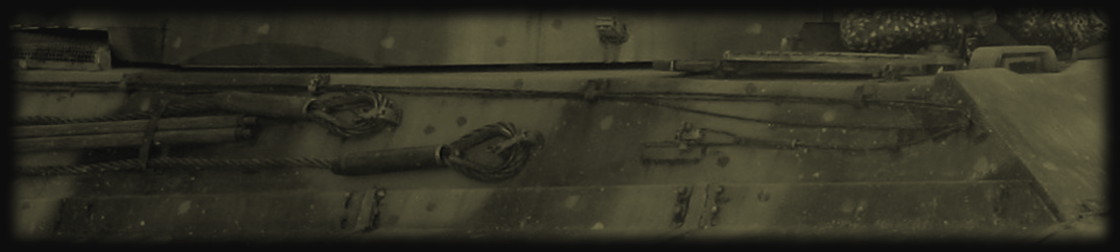
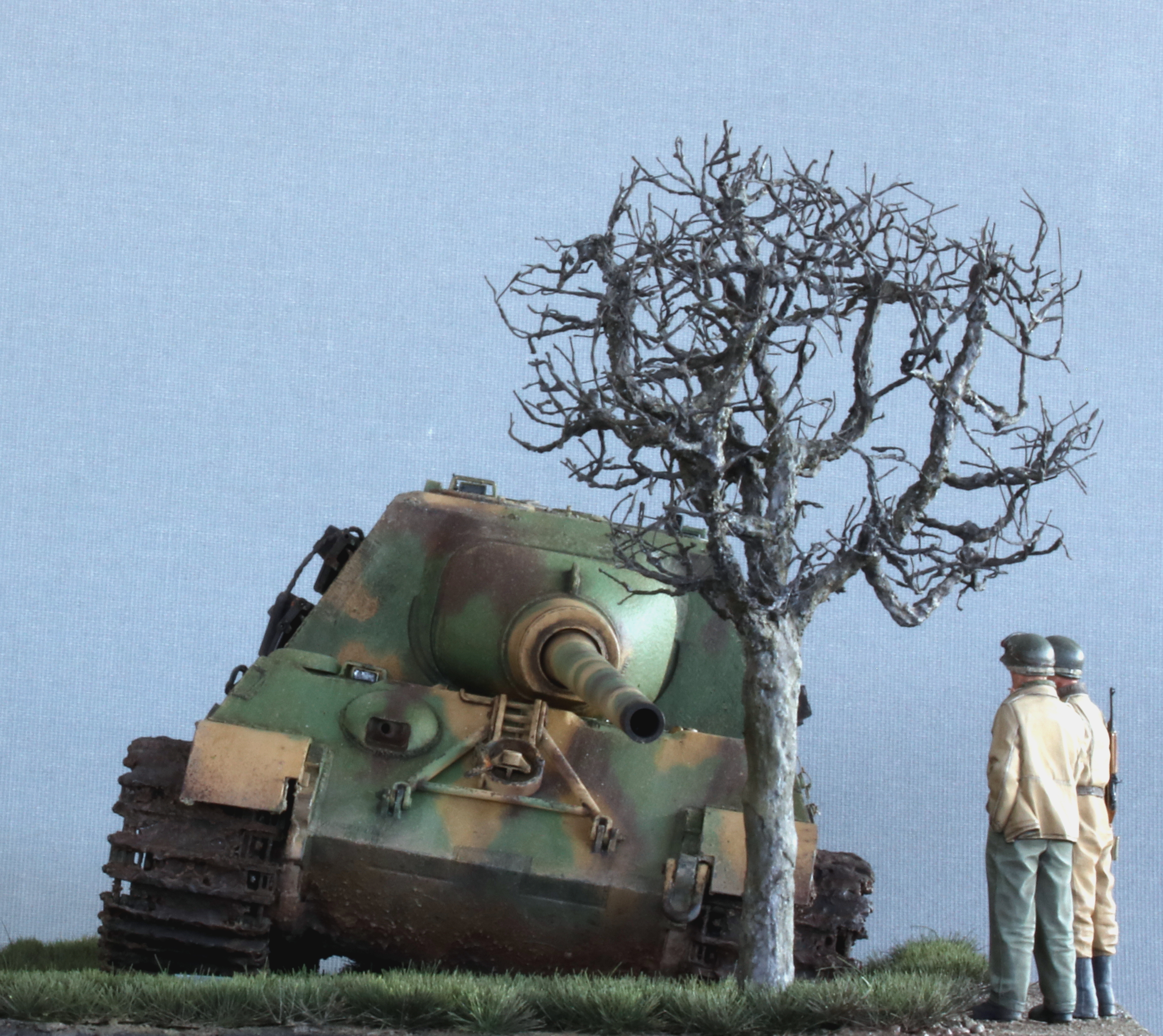
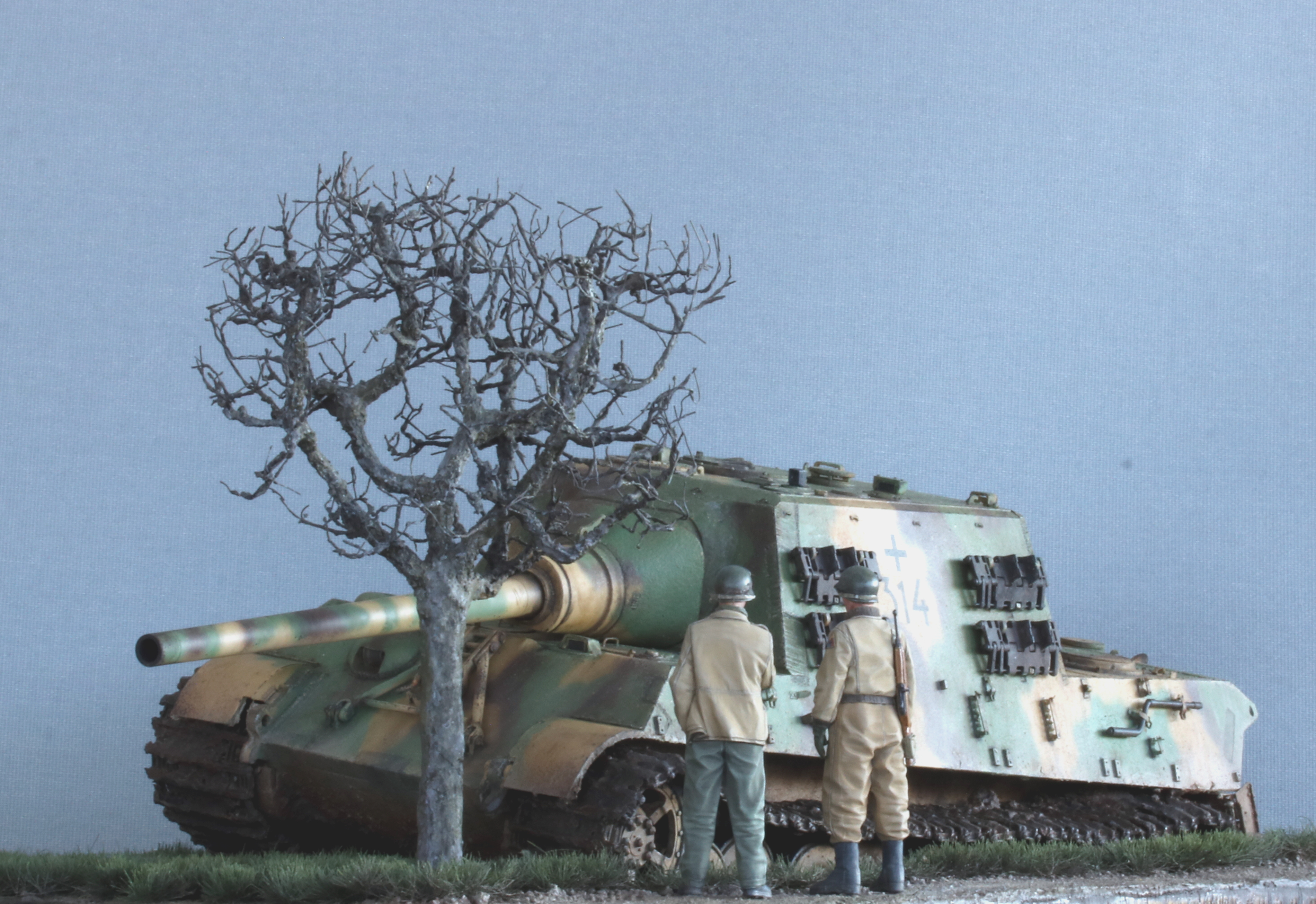
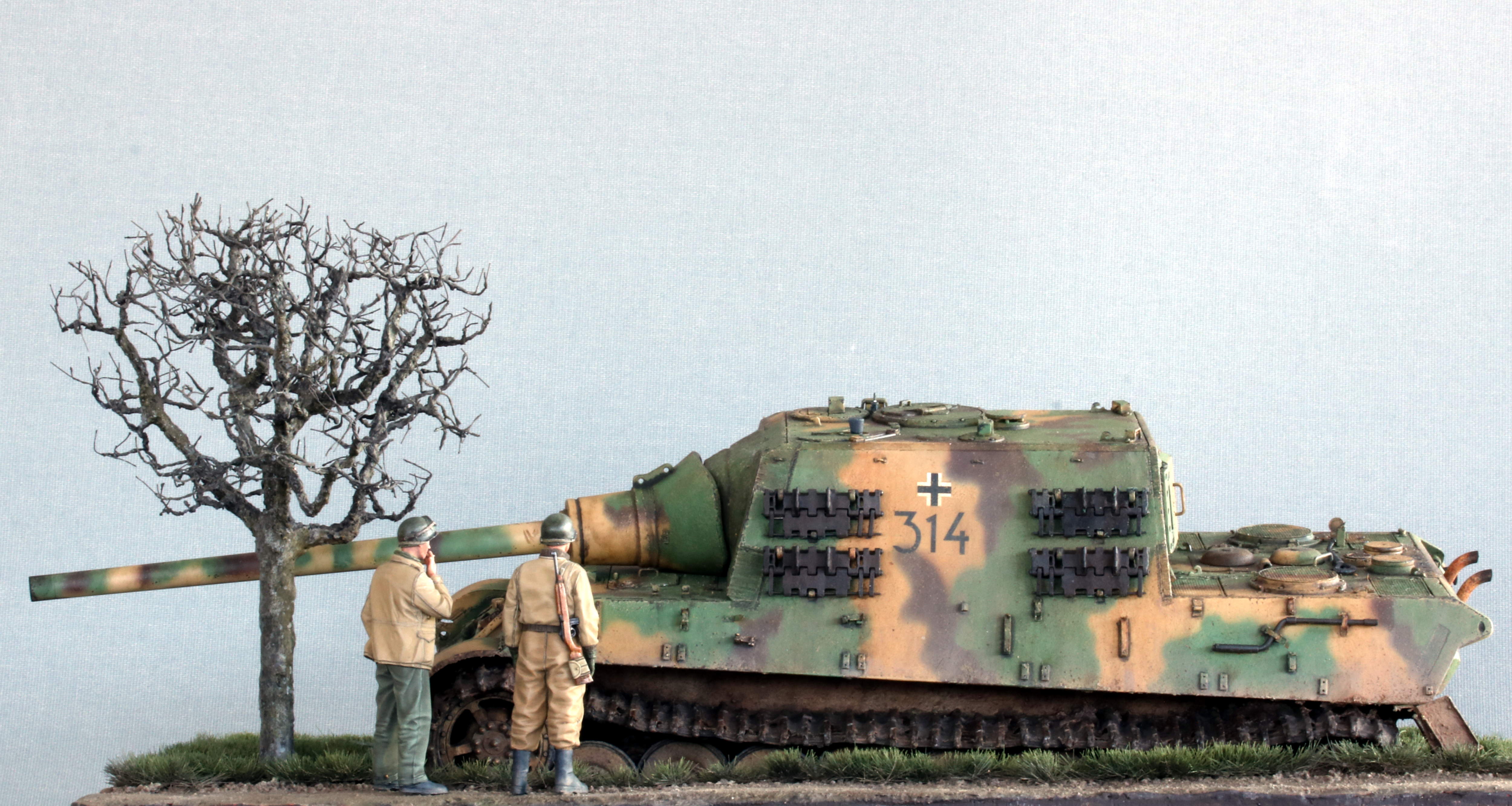
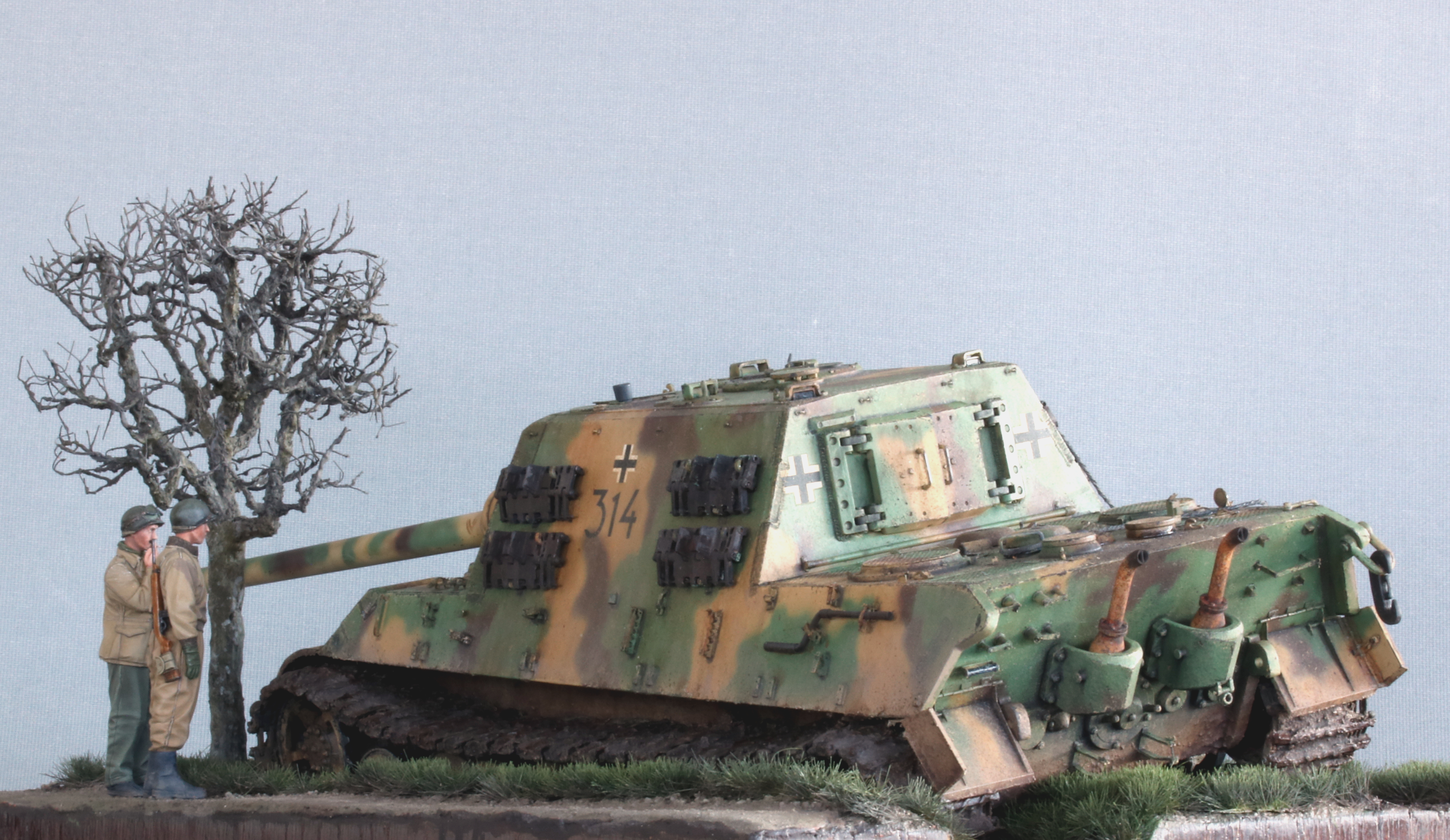
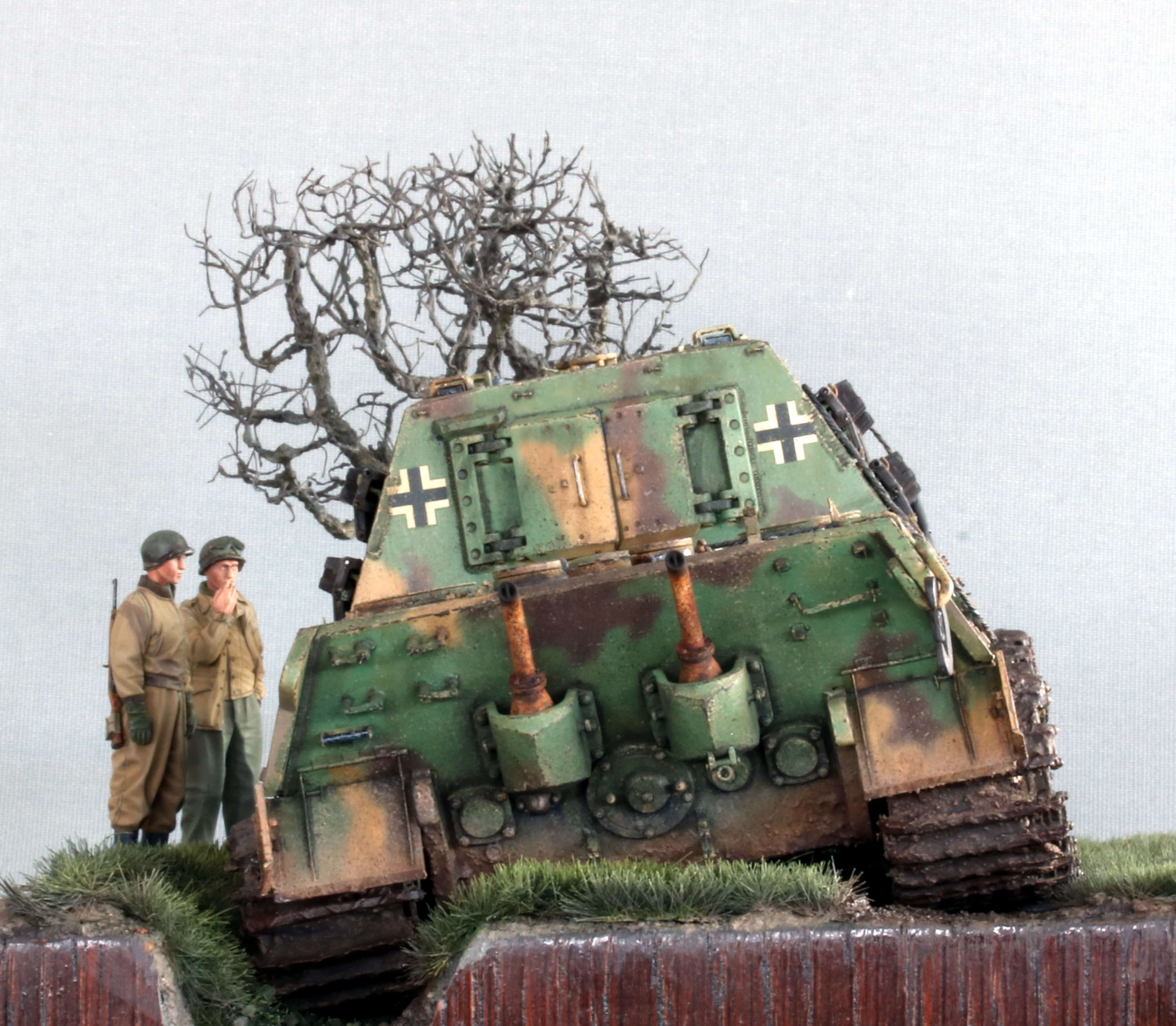
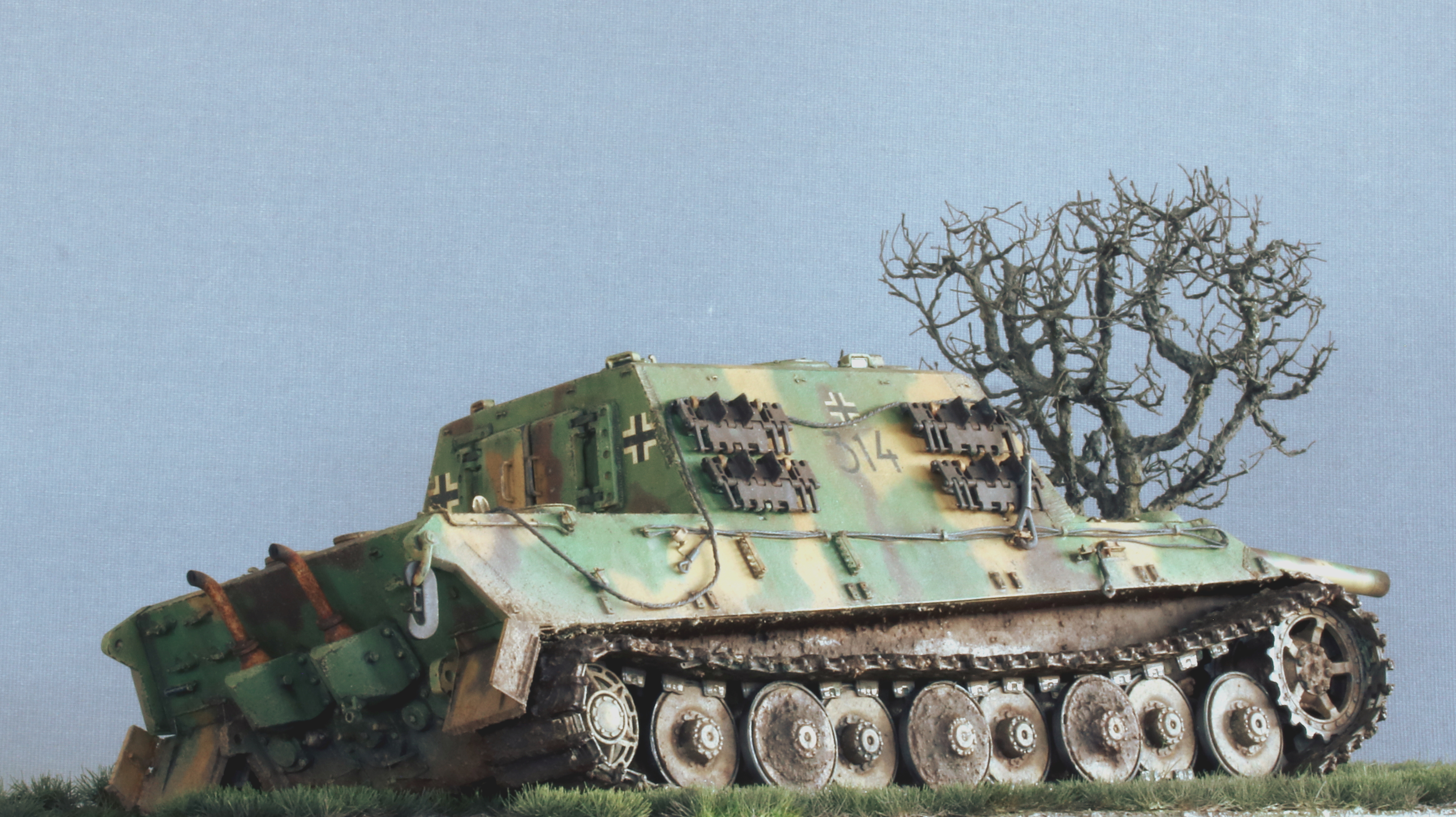
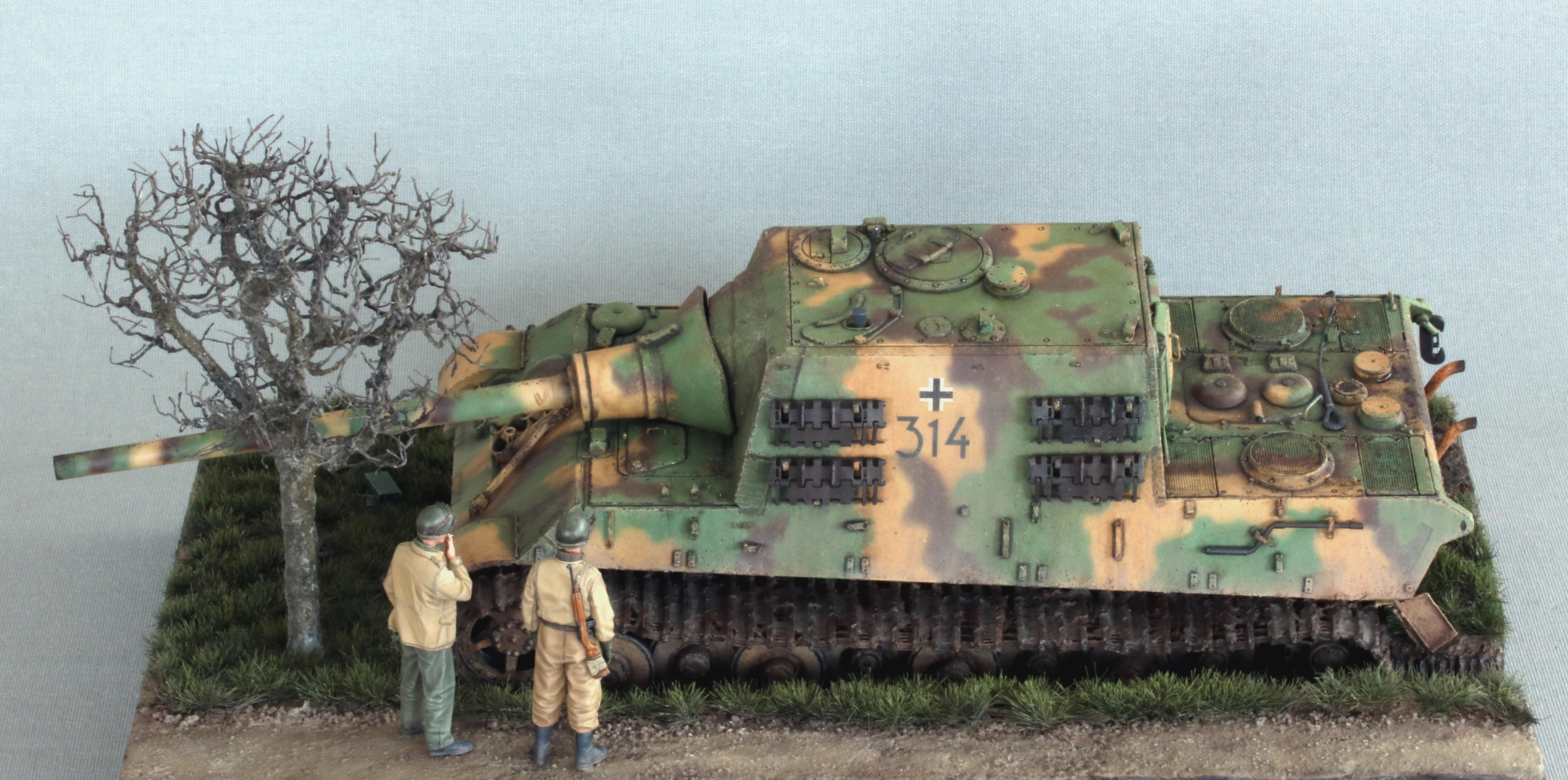
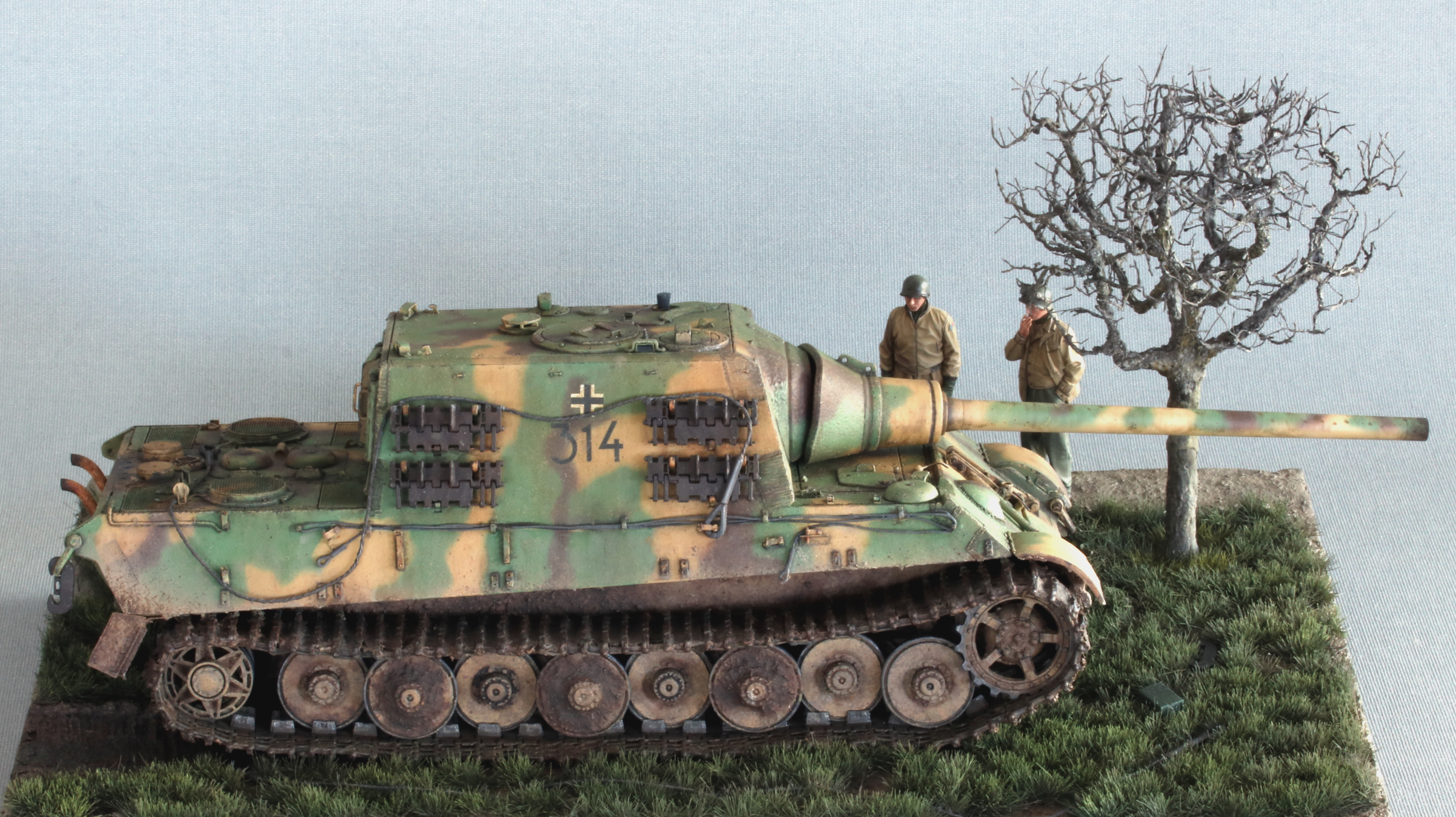
Jagdtiger reworked

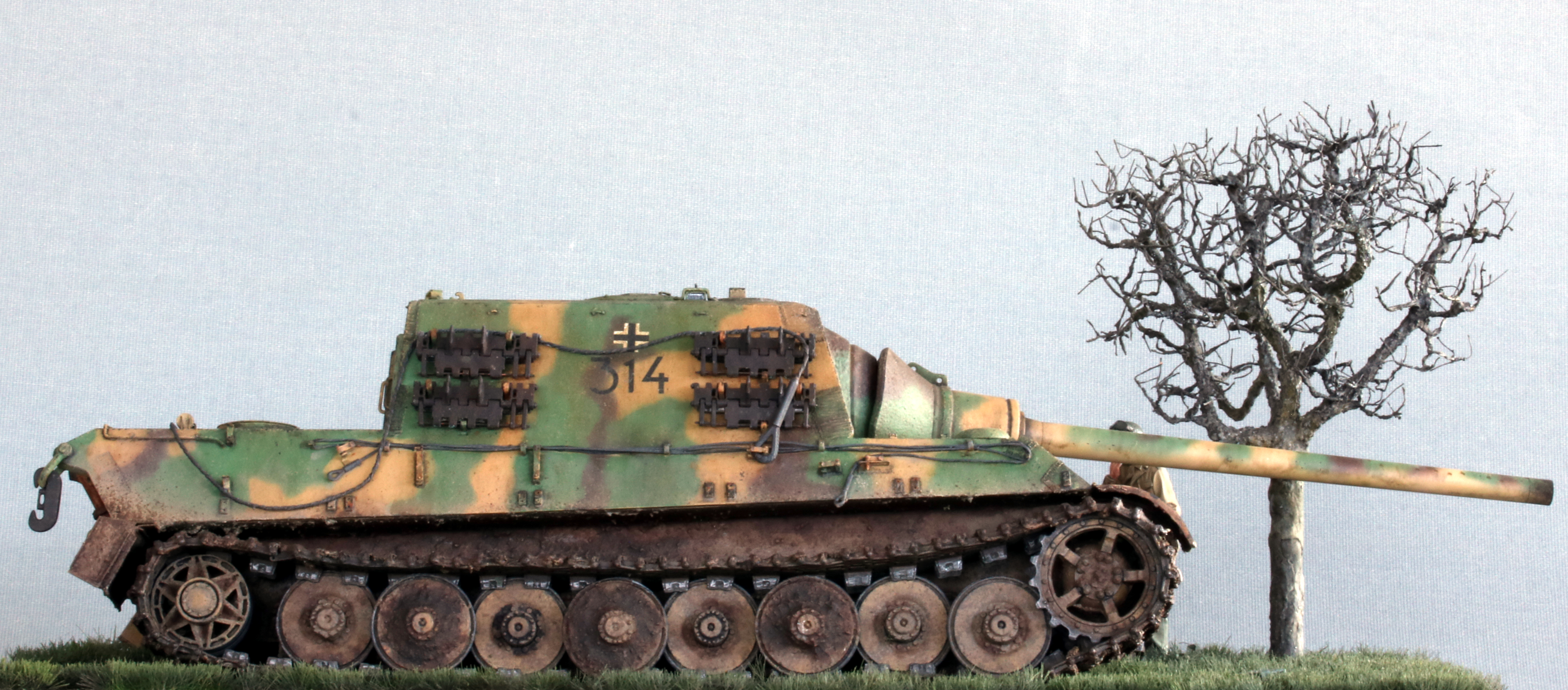
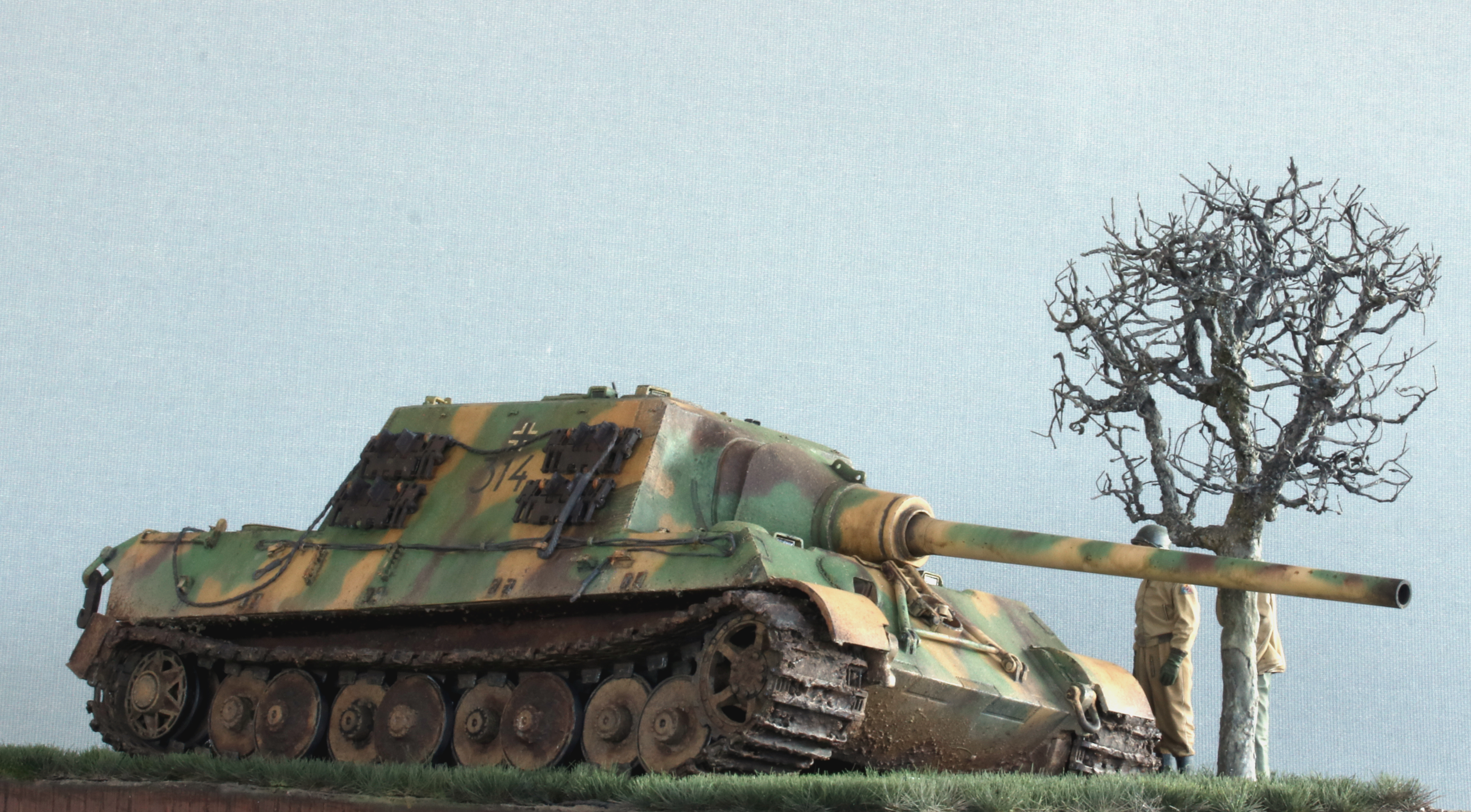
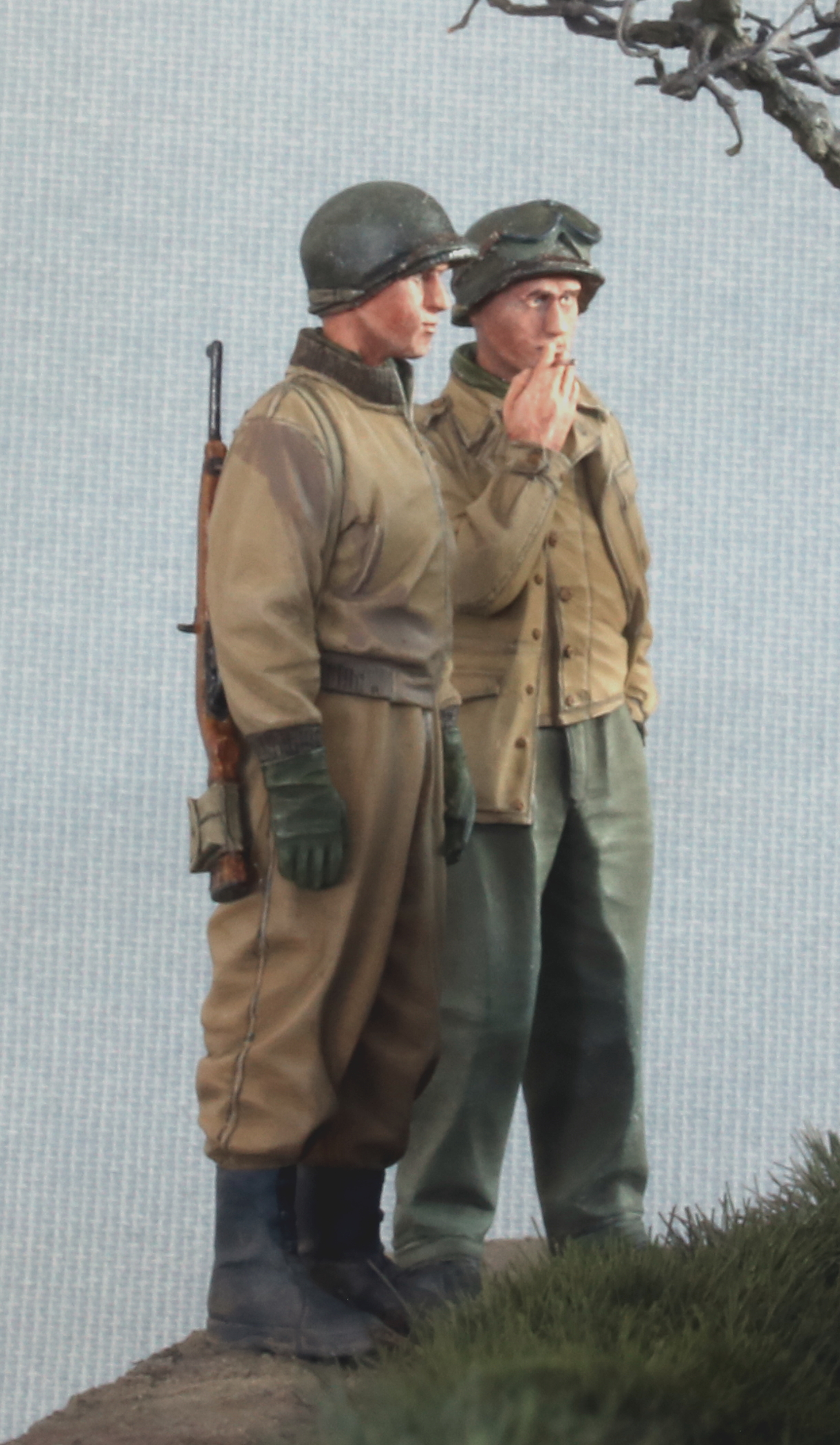
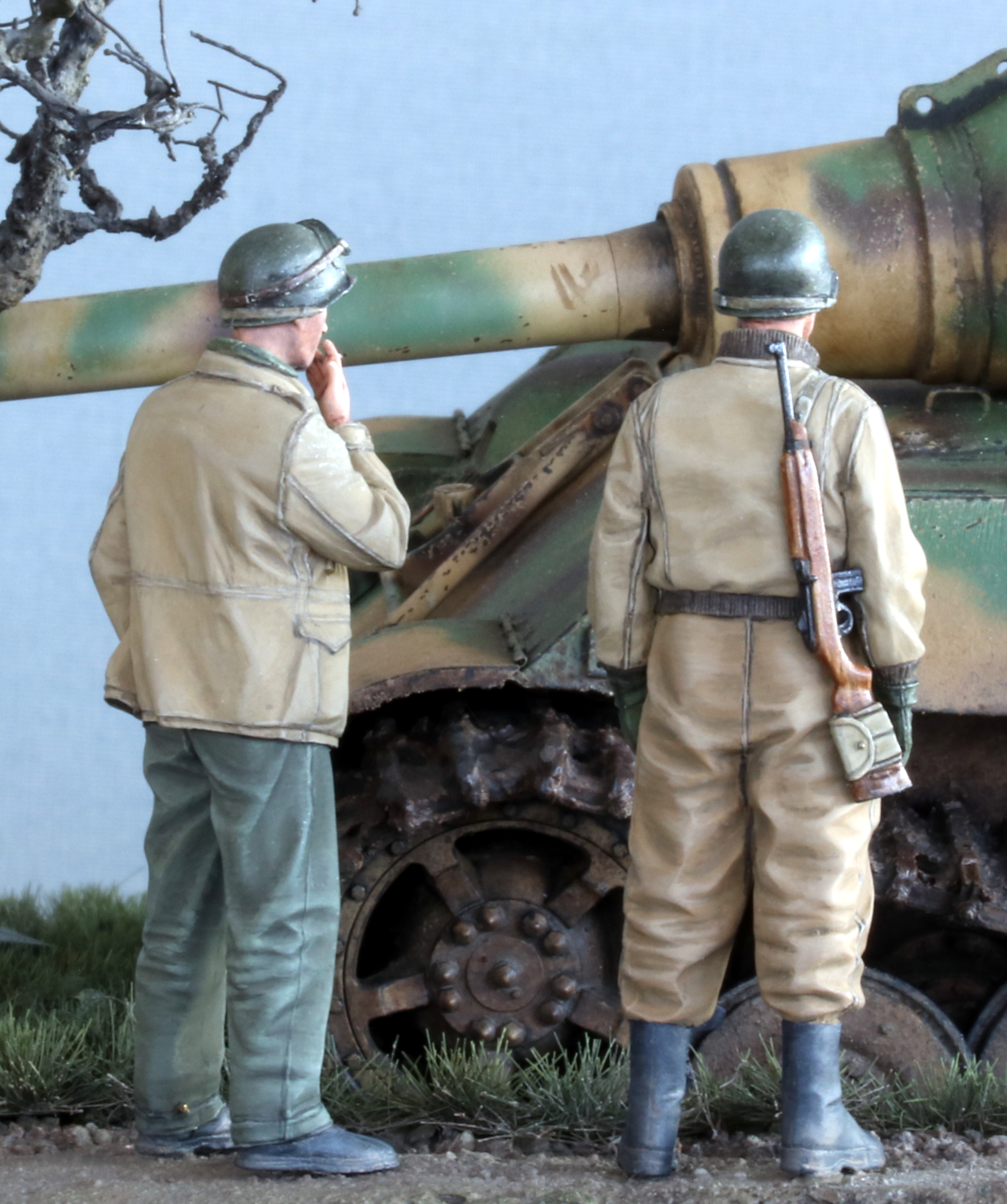
After a longer break from modelling, I finished the second model of Jagdtiger 314 with the Porsche suspension. As the original tank had no Zimmerit coating, and was abandondened in March 1945, I decided to rebuilt the model, depicting the famous scene of the vehicle in a ditch near to a small tree besides a road.
I reused the two US soldiers from the original scene, and added my first attempt of a wire-made tree, which turned out to be quite time-consuming, as on the original pictures from early spring, the tree has no leaves, calling for many branches to work out… with foliage, these kind of trees are presumably less work.